Centrifugation is a process where precision and reliability depend on more than just the centrifuge equipment itself. The container holding the sample must endure strong rotational forces while maintaining its shape, integrity, and protective performance. This makes material selection a key consideration when evaluating the quality and reliability of a high speed centrifuge bottle.
Different laboratory materials respond differently to mechanical stress, chemical exposure, and temperature fluctuations. These differences directly affect how well a centrifuge bottle performs during demanding applications, from routine sample separation to advanced research procedures. For laboratories handling larger sample volumes, 1l centrifuge bottles require carefully selected materials to ensure safe operation and consistent results under high centrifugal forces.
By understanding the relationship between material properties and centrifugation performance, researchers can select bottles that better match their workflow requirements. Cencelab focuses on providing reliable laboratory consumables that support accurate sample processing, helping laboratories improve efficiency, safety, and long-term operational stability.
Understanding the Material Factors Behind High Speed Centrifuge Bottle Performance
A high speed centrifuge bottle operates under significant centrifugal forces, requiring materials that can maintain structural stability during rapid rotation. Unlike ordinary laboratory containers, centrifuge bottles are specially designed to withstand mechanical stress while protecting samples throughout the separation process.
One of the most important material factors is mechanical strength. During centrifugation, the outward force generated by high-speed rotation places continuous pressure on the bottle walls. Materials with excellent tensile strength and impact resistance can reduce the risk of cracking, deformation, or leakage, ensuring safer laboratory operations.
Dimensional stability is another critical consideration. Even minor deformation during centrifugation can affect rotor balance and sample distribution. High-quality materials help maintain the original shape of the bottle, supporting consistent separation performance and reducing operational risks.
Material transparency may also influence laboratory efficiency. Clear centrifuge bottle materials allow researchers to visually inspect sample volume, layering, and separation progress without unnecessary handling. This feature is particularly valuable in applications where sample observation is required during processing.
For laboratories comparing different centrifuge bottle options, exploring Cencelab’s laboratory consumables and centrifugation products can help identify suitable solutions based on material requirements, sample types, and operating conditions.
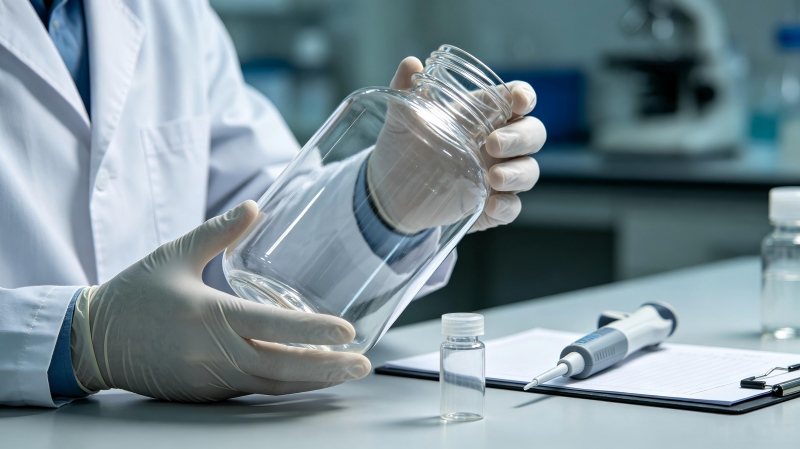
Comparing Material Options for Reliable High Speed Centrifuge Bottle Applications
Different materials provide different performance characteristics, and the best choice depends on the laboratory environment, sample type, and centrifugation requirements. Common materials used for centrifuge bottles include polypropylene (PP), polycarbonate (PC), and other laboratory-grade polymers.
| Material | Main Advantages | Limitations | Common Applications |
|---|
| Polypropylene (PP) | Excellent chemical resistance, lightweight structure, good durability, and suitable for many laboratory applications | Lower transparency compared with some clear polymers | Biological samples, chemical solutions, routine centrifugation |
| Polycarbonate (PC) | High impact resistance, strong mechanical performance, and excellent visibility | May have compatibility limitations with certain chemicals | High-speed centrifugation requiring strength and sample observation |
| Polyethylene-based materials | Good flexibility and resistance to many chemical environments | May not meet requirements for all high-force centrifugation processes | Specialized laboratory handling and storage applications |
Polypropylene is widely used for many high speed centrifuge bottle applications because it provides a balanced combination of durability, chemical resistance, and practical usability. It is suitable for laboratories handling biological samples, buffers, and many common laboratory reagents.
Polycarbonate offers strong impact resistance and high transparency, making it useful when researchers need to monitor samples visually. However, chemical compatibility should always be evaluated before selecting polycarbonate bottles for specific applications.
For larger processing requirements, 1l centrifuge bottles are often selected because they allow laboratories to handle greater sample volumes. Since larger bottles experience increased mechanical loads during rotation, choosing a suitable material becomes even more important for maintaining safety and reliability.
The Impact of Material Strength on Centrifugation Safety and Long-Term Reliability
The strength of a centrifuge bottle material directly affects laboratory safety and product lifespan. A high speed centrifuge bottle must withstand repeated exposure to strong centrifugal forces without losing its structural integrity.
Materials with high mechanical strength help reduce the possibility of cracks, leaks, or unexpected failures during operation. This is especially important for laboratories that perform frequent centrifugation cycles and require consistent performance over time.
Long-term reliability also depends on fatigue resistance. Repeated stress from high-speed rotation can gradually affect weaker materials. Durable laboratory-grade materials maintain their performance through multiple operating cycles, helping laboratories reduce interruptions and improve workflow efficiency.
When selecting 1l centrifuge bottles, laboratories should consider not only volume capacity but also rotor compatibility, centrifugation speed, and expected frequency of use. A larger bottle requires sufficient strength because the increased sample weight creates additional stress during operation.
Cencelab provides laboratory consumables designed to support dependable research workflows. By selecting suitable materials for specific centrifugation conditions, laboratories can improve operational safety and maintain reliable experimental results.
Material Resistance to Chemicals and Temperature Variations in Laboratory Use
Laboratory samples often contain chemicals, solvents, reagents, or biological components that may interact with container materials. Therefore, chemical resistance is a key factor when choosing a high speed centrifuge bottle.
A chemically compatible bottle material helps prevent degradation, contamination, and unwanted reactions between the container and the sample. Polypropylene, for example, is commonly selected for applications requiring resistance to many acids, bases, and laboratory chemicals.
Temperature stability is equally important. Many centrifugation processes are performed under refrigerated conditions, while some laboratory environments involve temperature changes during storage, preparation, or processing. A suitable material should maintain its strength and shape across the required temperature range.
For laboratories using 1l centrifuge bottles in specialized environments, evaluating both chemical exposure and temperature requirements helps ensure reliable performance and protect valuable samples.
The Connection Between Bottle Materials and Sample Protection
The primary purpose of a centrifuge bottle is to protect samples while enabling effective separation. Material properties directly influence how well the bottle maintains sample integrity throughout the centrifugation process.
A reliable high speed centrifuge bottle helps minimize risks such as leakage, contamination, and sample loss. Strong structural performance creates a secure environment for valuable biological materials, research samples, and chemical solutions.
Material selection also affects cleaning and sterilization performance. In laboratories where bottles are reused, resistance to cleaning procedures and sterilization conditions can influence overall efficiency and reduce replacement frequency.
For higher-volume applications, 1l centrifuge bottles provide additional capacity while requiring reliable sealing performance and durable construction. Selecting the correct material ensures that samples remain protected from preparation through analysis.
Applying Material Selection Strategies Across Different Laboratory Scenarios
Different laboratory applications require different material characteristics. Selecting the right centrifuge bottle requires considering sample properties, operating conditions, and performance expectations.
| Laboratory Scenario | Material Selection Considerations | Key Performance Requirements |
|---|
| Biological research | Materials with strong chemical resistance and sample protection capability | Sterilization compatibility, durability, contamination prevention |
| Pharmaceutical testing | Reliable laboratory-grade polymers | Consistency, chemical stability, repeatability |
| Chemical analysis | Materials resistant to specific solvents and reagents | Low interaction with samples and long-term stability |
| Large-volume processing | Strong materials suitable for 1l centrifuge bottles | Mechanical strength, balance stability, secure sealing |
Before choosing a centrifuge bottle, laboratories should evaluate several factors, including centrifuge speed, sample composition, chemical exposure, temperature conditions, and whether repeated reuse is required. Matching material properties with application needs helps improve both safety and efficiency.
Conclusion
Material selection plays a fundamental role in determining the performance, safety, and reliability of a high speed centrifuge bottle. The right material provides the mechanical strength needed for high-speed rotation while ensuring resistance to chemicals, temperature changes, and repeated laboratory use.
For laboratories requiring larger capacities, 1l centrifuge bottles offer practical advantages, but their performance still depends heavily on proper material selection. Understanding the differences between available materials allows researchers to choose centrifuge bottles that better match their specific applications.
Cencelab supports laboratory professionals with dependable centrifugation solutions designed for demanding research environments. Laboratories looking for assistance with selecting the right centrifuge bottle material, capacity, or application-specific solution can contact Cencelab’s laboratory specialists for product guidance.
FAQ
1. Why is material important for a high speed centrifuge bottle?
Material determines the bottle’s strength, chemical resistance, temperature stability, and ability to safely withstand centrifugal forces.
2. What materials are commonly used for centrifuge bottles?
Polypropylene and polycarbonate are commonly used because they provide good durability, strength, and laboratory compatibility.
3. Are 1l centrifuge bottles suitable for high-speed centrifugation?
Yes, many 1l centrifuge bottles are designed for high-speed applications when matched with compatible rotors and operating conditions.
4. How does chemical resistance affect centrifuge bottle performance?
Chemical resistance helps prevent material damage, contamination, and reduced bottle performance when exposed to laboratory substances.
5. Can centrifuge bottle materials handle temperature changes?
Many laboratory-grade materials can withstand temperature variations, but users should always check the recommended operating range.
6. How should laboratories select the right centrifuge bottle material?
Laboratories should consider centrifuge speed, sample type, chemical compatibility, temperature requirements, and reuse conditions before selection.
 English
 한국어
한국어 français
 Deutsch
 Español
 italiano
 русский
 português
 العربية
 tiếng việt
 Indonesia