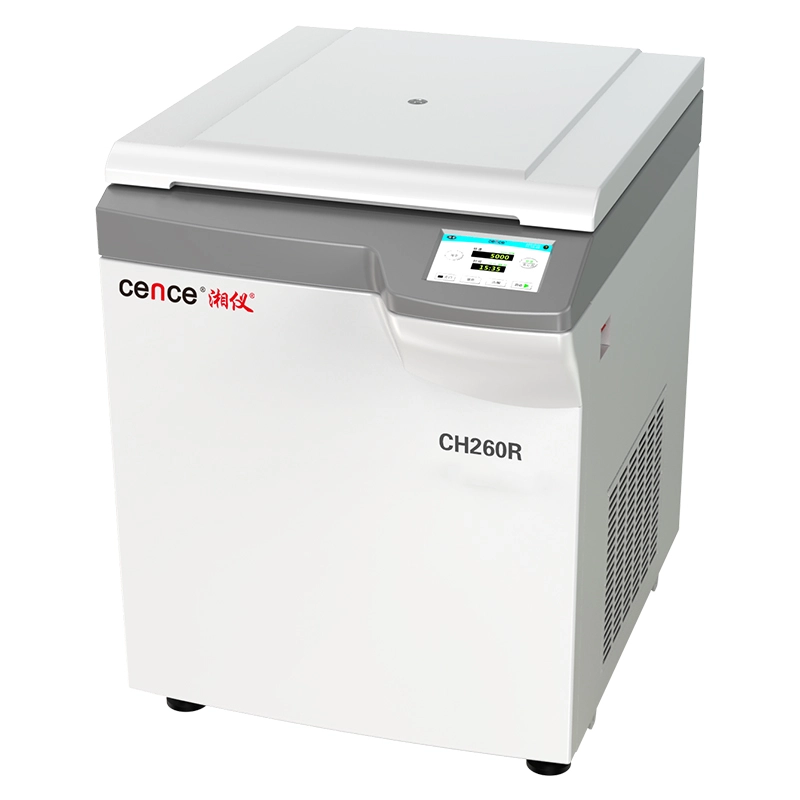
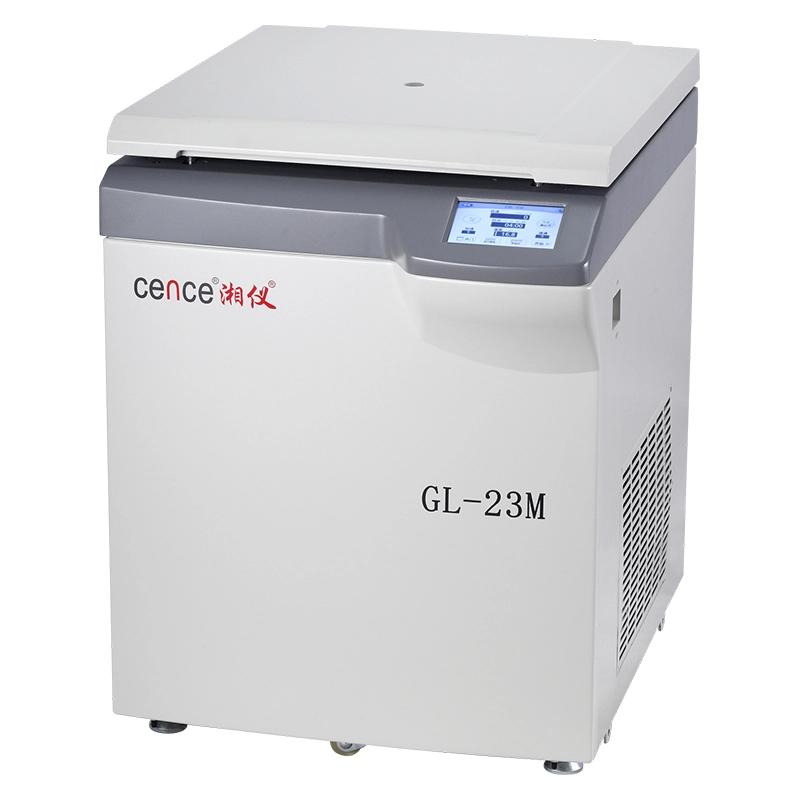
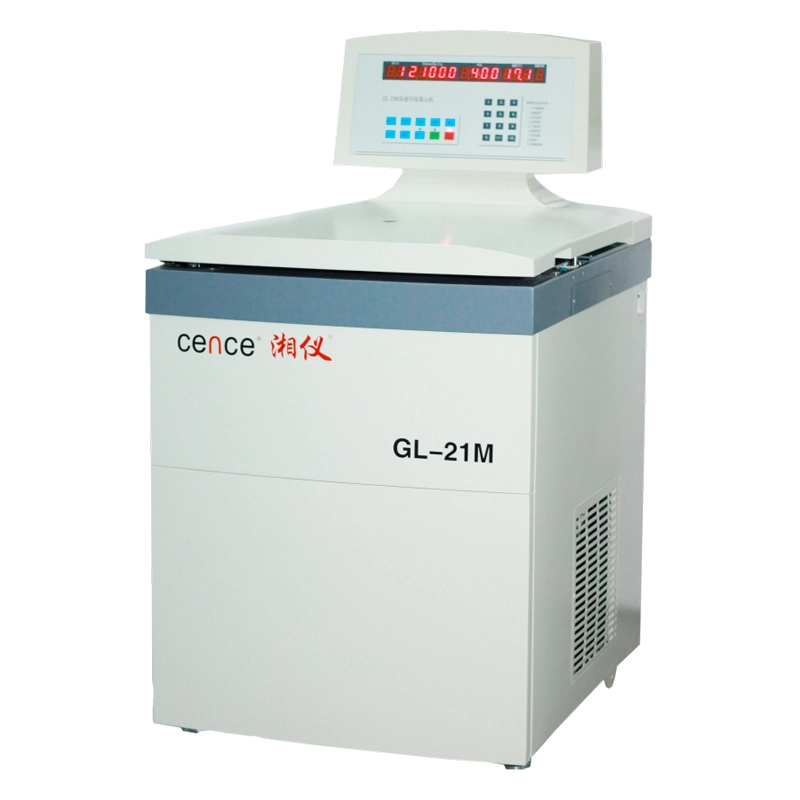
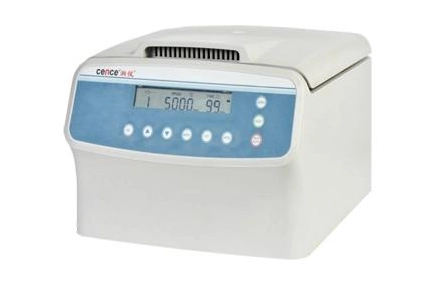
When laboratory workloads increase, centrifuge selection becomes more than a matter of comparing maximum speed or basic capacity specifications. Laboratories that process large numbers of samples every day need equipment that can maintain stable performance, reduce repetitive operations, and support changing application requirements over time.
A floor model centrifuge is designed for laboratories that require higher processing capability than compact systems can typically provide. With larger rotor options, stronger mechanical structures, and flexible configurations, it helps facilities handle demanding workflows while maintaining consistent separation results.
From clinical testing laboratories and pharmaceutical facilities to biotechnology and research organizations, high-volume sample processing requires a centrifuge that can support both current workloads and future expansion. CenceLab develops laboratory centrifuge solutions that help users evaluate equipment based on application requirements, sample characteristics, and operational goals.
How Do Larger Rotor Capacities Help Laboratories Process More Samples in Each Run?
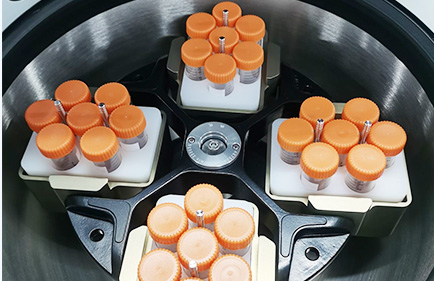
One of the most important reasons laboratories choose larger centrifuge systems is the ability to process more samples within a single cycle. When daily workloads involve large numbers of tubes or containers, increasing the number of samples handled at once can significantly improve workflow efficiency.
A floor centrifuge with a larger rotor capacity allows operators to reduce the frequency of repeated runs. Instead of dividing samples into multiple smaller batches, laboratories can complete more preparation steps in fewer cycles, saving time during busy working periods.
This advantage is particularly valuable for laboratories performing routine testing procedures where sample preparation follows standardized processes. Clinical laboratories, quality control departments, and production testing facilities often benefit from higher capacity because the main challenge is managing sample volume rather than achieving extreme separation conditions.
However, capacity should always be considered together with rotor compatibility and application requirements. A larger chamber alone does not guarantee better workflow performance if the available rotor configuration does not match the laboratory’s sample types.
Why Is a Floor Model Centrifuge Better Suited for Continuous High-Volume Workflows?
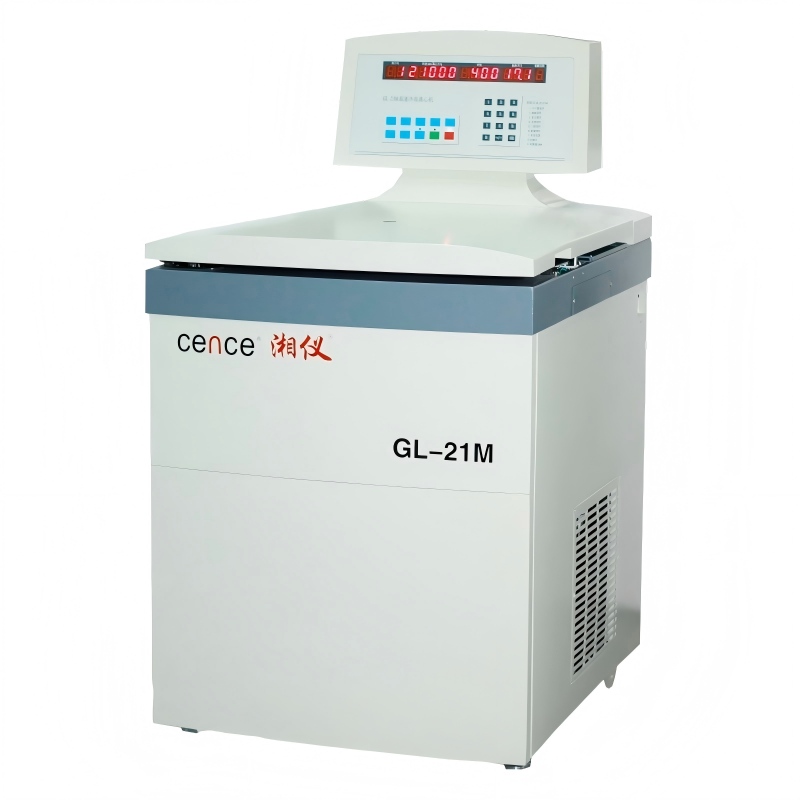
High-volume laboratories require equipment that can perform reliably throughout the working day. Compared with smaller laboratory systems, a floor model centrifuge generally provides a more suitable platform for frequent operation because of its larger structure and expanded configuration options.
The floor-standing design allows manufacturers to integrate larger rotors, stronger drive systems, and additional operating features while maintaining stability during centrifugation. This makes the equipment suitable for environments where centrifugation is a regular part of daily laboratory processes.
For facilities handling continuous workloads, equipment reliability directly affects productivity. A centrifuge that requires frequent adjustments or cannot support increasing sample volumes may create delays in laboratory operations.
A floor centrifuge also provides greater flexibility when laboratory requirements change. As testing services expand or research projects develop, having access to different rotor options and operating configurations can help laboratories adapt without replacing the entire system.
How Do Rotor Options and Configurations Affect High-Volume Sample Processing?
Rotor selection has a direct influence on how effectively a centrifuge performs in different laboratory environments. The rotor determines not only how many samples can be processed but also how efficiently separation occurs.
For laboratories focused on processing larger batches, swing-out rotors are often considered because they can accommodate multiple tubes and support gentle separation procedures. Their design makes them suitable for applications where sample handling and consistency are important.
Other applications may require fixed-angle rotor configurations. These designs are commonly used when laboratories need efficient particle separation and more specialized centrifugation conditions.
A suitable floor model centrifuge should provide enough configuration flexibility to meet different application needs. Laboratories should evaluate rotor compatibility, tube formats, sample volume, and future workflow changes before making a purchasing decision.
The ability to select the appropriate rotor configuration can have a significant impact on long-term equipment value. A centrifuge that supports multiple applications is often more useful than a system optimized for only one specific procedure.
What Performance Features Help Floor Model Centrifuges Handle Heavy Laboratory Workloads?
High-volume sample processing requires more than simply increasing the number of samples per run. The centrifuge must also provide stable control, reliable operation, and features that help laboratories maintain consistent results.
Temperature control is an important consideration for applications involving sensitive biological samples. Maintaining suitable conditions during centrifugation helps protect sample integrity and improves repeatability between different runs.
Modern centrifuge systems may include programmable operating settings, digital controls, safety monitoring functions, and automatic protection features. These functions help operators manage frequent workflows more efficiently while reducing the possibility of operational mistakes.
Durability is another key factor for laboratories with intensive schedules. A system used multiple times per day must be able to maintain performance over long periods. Mechanical stability, easy maintenance, and dependable components all contribute to the overall reliability of the equipment.
CenceLab focuses on providing centrifuge solutions that combine practical operation with application flexibility, helping laboratories select equipment that matches their workload and technical requirements.
| Buyer Consideration | Benchtop Centrifuge | Floor Model Centrifuge |
|---|
| Suitable Workflow | Routine testing and moderate sample processing | High-volume laboratories requiring frequent operation |
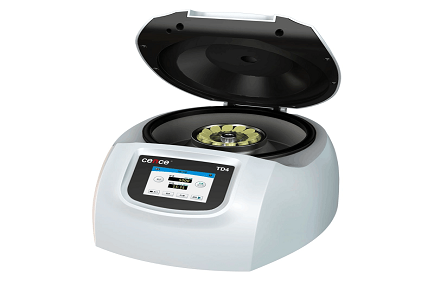
| Sample Handling Capability | Designed for smaller batches and limited sample numbers | Supports larger rotors and higher sample throughput |
| Space Requirement | Compact design for laboratories with limited space | Requires dedicated floor space but provides greater capacity |
| Configuration Flexibility | Usually limited by smaller size and rotor options | Offers more rotor choices for different applications |
| Best Purchasing Scenario | Laboratories prioritizing convenience and routine operation | Laboratories planning for increasing workload and diverse applications |
| Long-Term Value | Suitable when sample demand remains stable | Better suited for laboratories expecting higher future demand |
How Does a Floor Model Centrifuge Improve Efficiency Beyond Increasing Sample Capacity?
Increasing sample capacity is only one part of improving laboratory efficiency. A well-selected centrifuge can also simplify daily operations, reduce manual workload, and provide more consistent processing procedures.
When laboratories can process more samples in each cycle, technicians spend less time repeating preparation steps. This allows staff to focus on other laboratory activities and improves overall workflow organization.
Another important benefit is operational consistency. A centrifuge with programmable settings and reliable control systems helps laboratories maintain standardized procedures, which is especially valuable when multiple operators use the same equipment.
For laboratories planning future growth, selecting equipment with suitable flexibility can prevent unnecessary replacement as workload requirements change. Reviewing CenceLab’s available centrifuge solutions allows laboratory teams to compare configurations based on sample volume, rotor options, and application requirements.
When Should Laboratories Consider Switching from Benchtop to a Floor Model Centrifuge?
The transition from a benchtop centrifuge to a larger system usually happens when existing equipment begins to limit laboratory productivity. Longer processing times, increasing sample numbers, or the need for additional rotor configurations are common signs that a larger platform may be required.
Laboratories should also consider future workload changes before upgrading. Purchasing equipment based only on current demand may create limitations if sample volumes increase or applications become more diverse.
A floor centrifuge can provide additional capacity and flexibility for organizations that expect continued growth. By supporting larger workflows and more demanding applications, it allows laboratories to build a more adaptable testing environment.
Before making a final decision, laboratory managers should evaluate sample types, operating frequency, available space, and required performance features. A careful assessment helps ensure that the selected equipment provides long-term value rather than solving only short-term capacity issues.
Conclusion
A floor model centrifuge is suitable for high-volume sample processing because it combines larger processing capacity, flexible configurations, and reliable performance for demanding laboratory environments. Compared with compact systems, it provides advantages for facilities where sample workload, workflow efficiency, and operational consistency are important considerations.
However, the best centrifuge choice depends on more than capacity alone. Laboratories should evaluate rotor compatibility, sample requirements, daily workload, and future development plans before selecting equipment.
For laboratories facing increasing sample volumes, investing in a suitable centrifuge platform can improve productivity, simplify operations, and provide the flexibility needed to support long-term laboratory growth.
FAQ
1. What is a floor model centrifuge mainly used for?
A floor model centrifuge is mainly used for laboratories that need higher sample capacity, flexible rotor options, and reliable performance during frequent operation.
2. How is a floor centrifuge different from a benchtop centrifuge?
A floor centrifuge typically provides larger capacity, more configuration options, and stronger support for continuous high-volume workflows.
3. Which laboratories usually need a floor model centrifuge?
Clinical laboratories, pharmaceutical facilities, research institutions, and testing centers with large sample volumes often use this type of equipment.
4. Why are rotor options important when selecting a centrifuge?
Rotor options determine sample capacity, tube compatibility, separation performance, and the range of applications the centrifuge can support.
5. When should a laboratory upgrade from a benchtop centrifuge?
An upgrade may be needed when sample volume increases, processing time becomes longer, or current equipment cannot support required applications.
6. How should laboratories choose the right centrifuge?
Laboratories should consider sample volume, workflow requirements, rotor compatibility, operating frequency, and future expansion plans before purchasing.
 English
 한국어
 français
 Deutsch
 Español
 italiano
 русский
 português
 العربية
 tiếng việt
 Indonesia