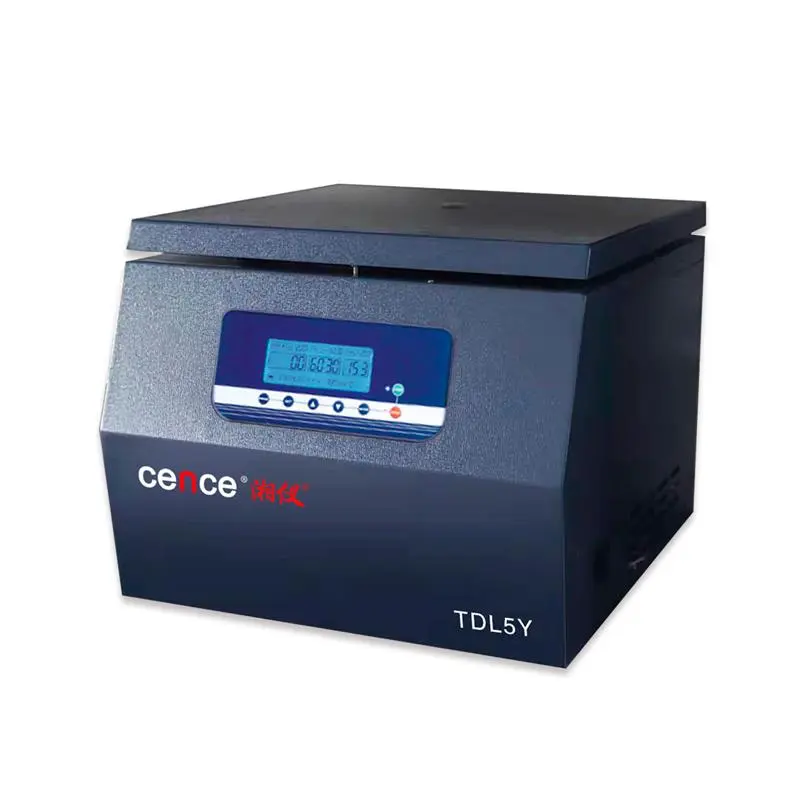
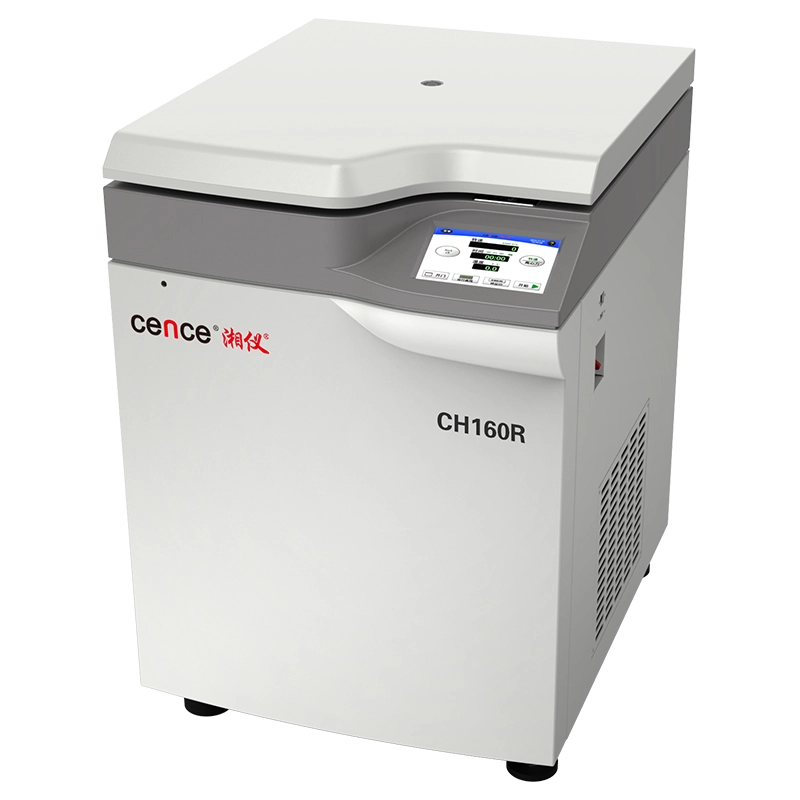
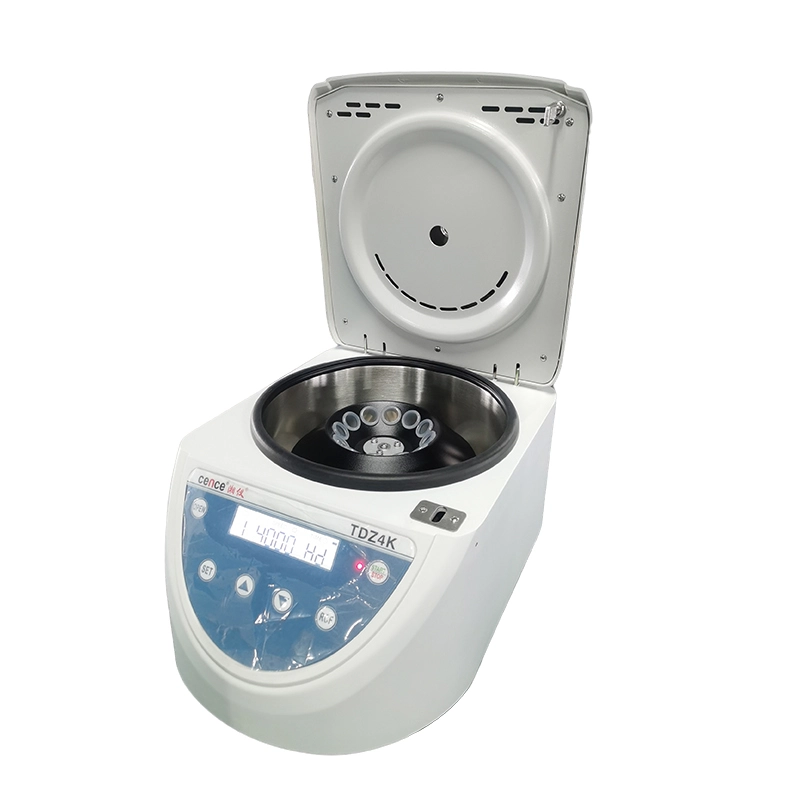
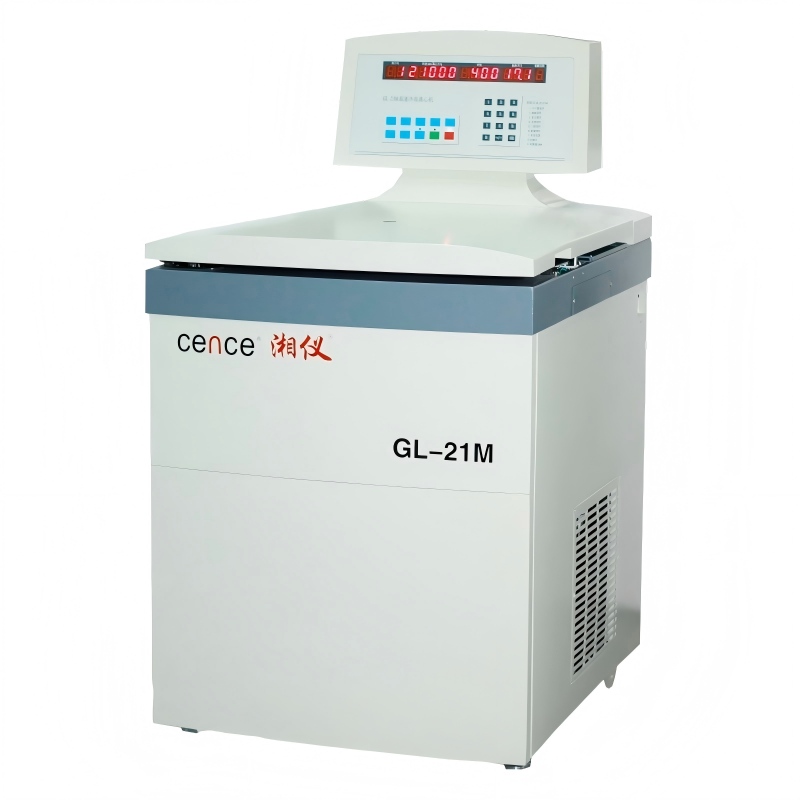
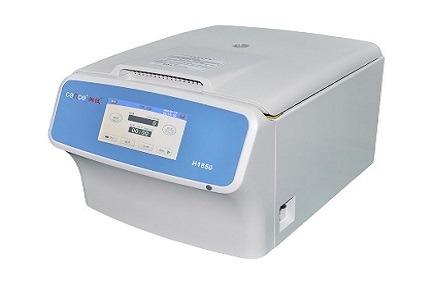
A crude oil centrifuge machine is widely used in laboratories and oil-related industries to separate water, sediment, and other impurities from crude oil samples. However, many users find that the same centrifuge equipment may deliver different separation results when processing different crude oil samples. This difference is not necessarily caused by equipment quality. Instead, it is usually related to oil characteristics, operating conditions, sample preparation, equipment design, and maintenance practices.
For laboratories, research institutions, and quality control departments, understanding these influencing factors is essential for achieving repeatable test results. A properly selected and operated crude oil centrifuge machine can improve separation efficiency, increase testing reliability, and support more accurate evaluation of crude oil quality.
Cencelab focuses on providing laboratory centrifuge solutions that meet different testing requirements. By combining practical application knowledge with reliable equipment design, Cencelab helps customers select suitable centrifuge systems for crude oil analysis and other laboratory separation applications.
Why Does the Same Crude Oil Centrifuge Machine Perform Differently with Different Oil Conditions?
The performance of a crude oil centrifuge machine depends heavily on the characteristics of the crude oil sample being processed. Although the separation principle remains the same, crude oil from different sources can vary significantly in viscosity, density, water content, sediment level, and chemical composition.
Viscosity is one of the most important factors affecting separation efficiency. Heavy crude oil usually has a higher viscosity, which slows down the movement of water droplets and solid particles during centrifugation. In this situation, the equipment may require optimized speed, temperature, or processing time to achieve effective separation.
Lighter crude oil with lower viscosity generally allows water and sediment to separate more easily because the internal resistance of the oil is lower. However, crude oil containing emulsified water can still present challenges because very small water droplets may remain suspended and require carefully controlled centrifugation conditions.
This explains why a centrifuge machine for crude oil testing should be selected based on actual sample conditions rather than only technical specifications. A centrifuge that performs well for one type of crude oil may not provide the same results for another oil type with different physical properties.
Which Operating Parameters Have the Greatest Impact on Crude Oil Separation Efficiency?
The operating parameters of a crude oil centrifuge machine directly influence separation results. Even advanced equipment may fail to achieve consistent performance if the operating conditions are not properly controlled.
Centrifugal speed is one of the most noticeable factors because it determines the force applied to separate heavier components from crude oil. However, maximum speed does not always create better separation. The appropriate speed depends on the sample properties, testing method, and equipment configuration.
Processing time also affects separation quality. If the centrifugation time is too short, water and sediment may not completely separate from the oil phase. If the running time is unnecessarily extended, laboratory efficiency may decrease without improving the final result.
Temperature is particularly important when handling high-viscosity crude oil. Suitable temperature control can reduce oil viscosity and allow suspended components to move more easily during centrifugation. However, temperature settings should remain consistent with the requirements of the testing procedure.
| Performance Factor | Effect on Separation Performance | Key Consideration |
|---|
| Crude oil viscosity | Influences the movement speed of water and sediment | High-viscosity samples may require optimized conditions |
| Centrifugal speed | Determines the force applied during separation | Select appropriate speed according to testing needs |
| Processing time | Affects whether separation reaches a stable condition | Avoid insufficient or excessive centrifugation |
| Temperature stability | Changes oil flow characteristics | Maintain consistent testing conditions |
| Sample preparation | Influences repeatability and accuracy | Keep sample volume and balance consistent |
For professional laboratories, controlling these operating conditions is as important as selecting reliable equipment. Cencelab designs centrifuge solutions with stable control systems to help users maintain consistent testing performance.
Can Incorrect Feed Conditions Reduce the Performance of a Crude Oil Centrifuge Machine?
Yes. Incorrect sample preparation and feed conditions can significantly affect the performance of a crude oil centrifuge machine. In many cases, inconsistent results are caused by variations in sample handling rather than equipment limitations.
One common problem is improper sample volume. When different samples contain inconsistent amounts of crude oil, the centrifugal force distribution may change, affecting separation results. Proper balancing is also necessary because unbalanced samples can increase vibration and reduce operational stability.
High levels of sediment or contamination can create additional challenges. Excessive solid particles may reduce separation efficiency and increase cleaning requirements after operation.
For laboratories using a centrifuge machine for crude oil testing, establishing a consistent preparation process is essential. Accurate measurement, suitable containers, and standardized procedures help ensure that testing results reflect actual sample characteristics.

What Centrifuge Design Features Matter Most for Reliable Crude Oil Processing?
The design of a crude oil centrifuge machine determines its reliability, safety, and long-term performance. While speed and capacity are commonly considered during purchasing, professional users also pay attention to control accuracy, mechanical stability, rotor compatibility, and maintenance convenience.
A stable motor system helps maintain consistent rotation speed during operation. This is especially important for crude oil testing because small variations in operating conditions can influence separation repeatability.
Rotor design and compatibility are also important. Different testing applications may require different tube sizes, capacities, or configurations. Flexible equipment design allows laboratories to handle various sample requirements more efficiently.
Safety functions such as imbalance detection and automatic locking mechanisms further improve operational reliability, especially in laboratories where equipment may operate frequently.
When evaluating different centrifuge options, laboratories can review Cencelab’s available solutions through its laboratory centrifuge products to identify equipment configurations suitable for their specific testing requirements.
Why Does Centrifuge Performance Decline After Long-Term Operation?
Even a reliable crude oil centrifuge machine may experience changes in performance after extended operation. In most cases, this decline does not happen suddenly but results from gradual effects such as component wear, residue accumulation, calibration changes, and insufficient maintenance.
The rotor is one of the key components that requires attention during long-term use. Since it repeatedly experiences acceleration and high-speed rotation, improper cleaning or uneven sample loading may gradually affect its balance. Once vibration increases, separation stability may decrease, resulting in less consistent testing outcomes.
Another factor is the accuracy of operating parameters. Over time, speed control systems, sensors, or mechanical components may require inspection to ensure that the equipment continues operating according to the intended conditions. This is especially important for laboratories where test results need to remain comparable over long periods.
Environmental conditions can also influence equipment performance. Dust, unstable installation surfaces, unsuitable temperatures, or poor operating environments may accelerate equipment aging. Maintaining a clean and stable working environment helps extend the service life of a centrifuge machine for crude oil testing.
Regular maintenance is therefore not only about protecting the machine itself but also about maintaining analytical reliability. A properly maintained centrifuge can continue delivering consistent separation results and reduce unexpected interruptions in laboratory workflows.
How Should a Crude Oil Centrifuge Machine Be Selected for Different Processing Requirements?
Selecting the right crude oil centrifuge machine requires a clear understanding of the application rather than simply comparing specifications such as speed or capacity. Different laboratories may have different priorities depending on sample types, testing frequency, and accuracy requirements.
For routine crude oil quality testing, stability and repeatability are usually the most important factors. The equipment should provide accurate speed control, reliable operation, and convenient handling because test results may directly affect quality evaluation and further processing decisions.
For laboratories working with various crude oil samples, flexibility becomes more valuable. A centrifuge system that supports different sample volumes and configurations allows users to adapt to changing testing needs without replacing the entire system.
The supplier’s technical support capability should also be considered during selection. A professional equipment provider should understand application requirements and provide guidance beyond basic product specifications.
Cencelab supports customers in selecting suitable laboratory centrifuge solutions based on sample characteristics and testing objectives. When a laboratory needs assistance with equipment selection, application matching, or technical details, the Cencelab team can be reached through its technical consultation page for further communication.
Comparison of Key Factors When Choosing a Centrifuge Machine for Crude Oil Testing
| Selection Factor | What to Evaluate | Why It Matters |
|---|
| Sample characteristics | Viscosity, water content, sediment level, and crude oil type | Determines suitable separation conditions and expected performance |
| Testing requirements | Routine analysis, research testing, or quality control applications | Helps determine the required accuracy and operating flexibility |
| Speed and control system | Rotation stability and parameter adjustment accuracy | Supports repeatable and reliable testing results |
| Capacity and compatibility | Sample volume and available accessories | Affects laboratory efficiency and application range |
| Maintenance and support | Cleaning requirements, service availability, and technical assistance | Helps maintain long-term equipment reliability |
Conclusion
The performance of a crude oil centrifuge machine is determined by a combination of factors, including crude oil properties, operating conditions, sample preparation, equipment design, and maintenance practices. A centrifuge with advanced specifications cannot achieve stable results if the working conditions do not match the characteristics of the samples being processed.
For laboratories using a centrifuge machine for crude oil testing, selecting equipment based on actual application requirements is the key to achieving accurate and repeatable results. Proper operation procedures, regular maintenance, and suitable equipment configuration all contribute to better separation performance.
With experience in laboratory testing solutions, Cencelab provides centrifuge equipment designed to support reliable sample separation and professional analysis workflows. By understanding the factors that influence centrifuge performance, users can make more informed purchasing decisions and improve the consistency of crude oil testing processes.
FAQ About Crude Oil Centrifuge Machine Performance
1. What factors affect the performance of a crude oil centrifuge machine?
The main factors include crude oil viscosity, water and sediment content, centrifugal speed, processing time, temperature, sample preparation, equipment design, and maintenance condition.
2. Why does the same crude oil centrifuge machine produce different results with different crude oil samples?
Different crude oil samples have different physical properties, such as viscosity and water distribution, which influence separation behavior during centrifugation.
3. Does increasing centrifuge speed always improve crude oil separation?
No. Higher speed does not always guarantee better separation. The ideal setting depends on sample properties, testing requirements, and equipment design.
4. What should be considered when choosing a centrifuge machine for crude oil testing?
Users should evaluate sample characteristics, testing frequency, required accuracy, capacity, control functions, safety features, and supplier support.
5. How can laboratories maintain stable centrifuge performance?
Regular cleaning, correct sample balancing, parameter verification, equipment inspection, and following manufacturer maintenance recommendations help maintain stable operation.
6. How long can a crude oil centrifuge machine maintain reliable performance?
Service life depends on equipment quality, operating frequency, working environment, and maintenance practices. Proper maintenance can significantly extend reliable operation.
 English
 한국어
 français
 Deutsch
 Español
 italiano
 русский
 português
 العربية
 tiếng việt
 Indonesia