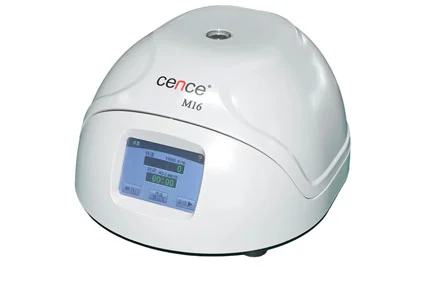
Choosing the right centrifuge speed for a blood sample is not simply a matter of selecting the highest RPM available. Plasma, serum, and whole blood have different separation objectives, and the appropriate centrifugation conditions depend on the sample, tube, rotor, testing method, and required quality of the separated fraction.
This is why two laboratories can use the same blood centrifuge machine but work with different speed and time settings. A laboratory preparing plasma for routine analysis may have different requirements from one separating serum after clot formation, while a research application involving whole blood may require another set of conditions altogether.
For laboratory users, the more useful question is therefore not simply "What RPM should I use?" It is "What centrifugal force is required for this particular separation, and can the centrifuge reproduce it consistently?" Understanding that distinction makes it easier to establish reliable procedures and select a blood plasma separation centrifuge that fits the actual application.
Why Is the Right Centrifuge Speed Different for Plasma, Serum, and Whole Blood?
Plasma, serum, and whole blood differ in both composition and preparation, so there is no single centrifugation setting that is appropriate for all three. The purpose of the separation determines what the centrifuge needs to accomplish.
When plasma is being prepared, the objective is generally to separate the liquid plasma from blood cells while retaining the fraction required for subsequent analysis. Because the sample normally contains an anticoagulant, the laboratory is working with unclotted blood. The centrifugation conditions need to provide enough force for effective cellular separation without introducing unnecessary variation into the sample.
Serum preparation follows a different sequence. The blood must first clot, after which centrifugation separates the liquid serum from the clot and remaining cellular material. The properties of the sample have therefore changed before it enters the centrifuge, which is one reason serum and plasma procedures should not automatically share identical settings.
Whole blood applications can have still other objectives. In some workflows, the laboratory needs to retain the blood as a whole sample; in others, it may need to concentrate or isolate a particular cellular fraction. The appropriate centrifugal force depends on what the procedure is designed to achieve.
| Blood Sample | Typical Separation Objective | What Determines the Centrifugation Condition |
|---|
| Plasma | Separate plasma from blood cells | Anticoagulant, downstream test, sample tube, rotor, and validated procedure |
| Serum | Separate serum from the clot and cellular material | Clotting condition, sample type, analytical method, rotor, and validated procedure |
| Whole blood | Process or separate cellular components according to the application | Target fraction, sample preparation, centrifugal force, and processing time |
For this reason, a blood centrifuge machine should be selected around the laboratory's actual procedures rather than around its maximum advertised speed. A machine capable of very high RPM is not automatically the right machine for every blood separation application.
RPM or RCF: Which Measurement Should You Use When Setting Blood Centrifugation Conditions?
RPM and RCF describe different aspects of centrifugation. RPM indicates how many revolutions the rotor makes per minute, while RCF describes the relative centrifugal force experienced by the sample. For blood separation procedures, RCF is often the more useful value because it takes the rotor radius into account.
This distinction becomes important when a laboratory changes equipment. Two centrifuges can run at exactly the same RPM but generate different centrifugal forces if their rotor radii are different. As a result, transferring an RPM value directly from one instrument to another can produce a different separation condition.
For example, suppose a laboratory procedure has been validated at a particular RCF. If the laboratory replaces its centrifuge, the new instrument should be set to produce the same required RCF using its own rotor configuration. Simply entering the previous RPM value may not reproduce the original conditions.
This is particularly relevant when purchasing a blood plasma separation centrifuge. Speed control remains important, but laboratories should also look at the centrifugal force range that the selected rotor can actually deliver. A clear relationship between RPM, rotor radius, and RCF makes method transfer much easier.
What Happens When Blood Samples Are Centrifuged Too Fast or Too Slowly?
The consequences of an unsuitable centrifugation speed depend on the sample and the analytical method, but both insufficient and excessive force can create problems.
When the applied force is too low, cellular components may not separate adequately from the liquid fraction. The resulting plasma or serum can retain more residual cells or particulate material than the laboratory procedure permits. In a workflow where sample purity matters, that can affect the reliability of downstream analysis.
Running at unnecessarily high force is not a universal solution. Excessive force can alter how cellular material packs at the bottom of the tube and may produce a separation profile that is different from the validated method. It can also place additional mechanical stress on tubes, adapters, and the centrifuge itself if the operating condition exceeds their specifications.
The practical solution is to reproduce the validated centrifugal conditions rather than treating speed as a performance race. A well-designed blood centrifuge machine should make it possible to control the required conditions accurately and repeat them from one batch to another.
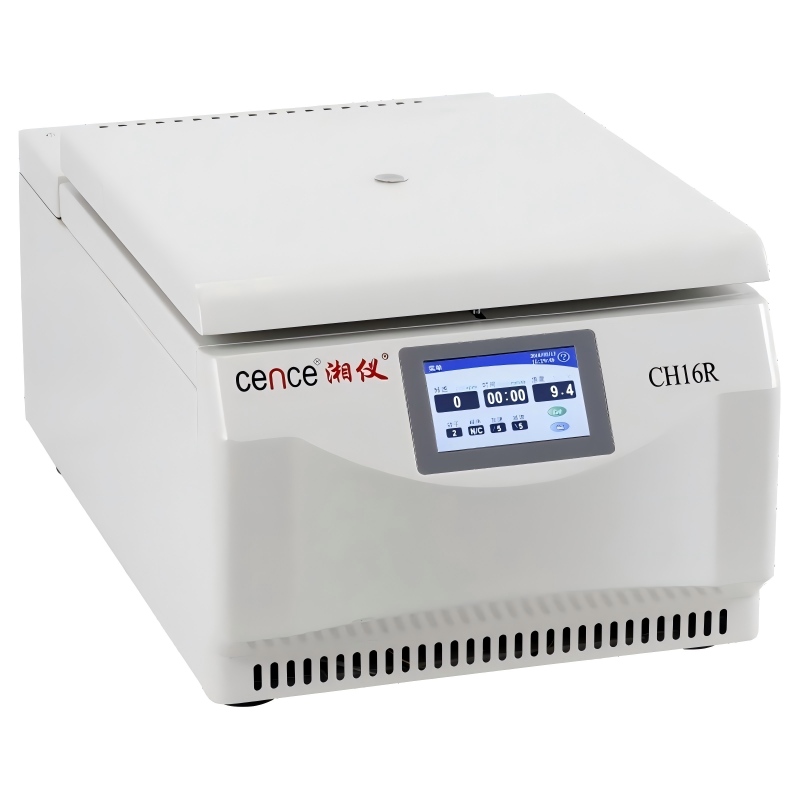
How Do Centrifugation Time and Speed Work Together to Separate Blood Components?
Centrifugation speed and time work together. Increasing one does not automatically compensate for an unsuitable setting of the other, because separation depends on how much centrifugal force is applied and how long the sample remains exposed to that force.
A laboratory may therefore obtain a different result by using a higher force for a shorter period than by using a lower force for a longer period, even when the two procedures appear similar on paper. Whether either condition is acceptable depends on the validated method and the quality requirements of the separated fraction.
This becomes especially relevant in plasma preparation. A blood plasma separation centrifuge needs to provide stable control of both speed and time so that laboratory personnel can reproduce the established procedure. Consistency is generally more valuable than simply reducing the centrifugation cycle by a few minutes.
The sample itself also matters. Tube dimensions, fill volume, temperature, anticoagulant, and sample condition can influence separation behavior. Changing several of these variables at the same time makes it difficult to determine why a result has changed. For that reason, laboratories normally benefit from keeping sample preparation and centrifugation conditions consistent once an appropriate procedure has been established.
Does Rotor Type Change the Centrifuge Speed Required for Blood Separation?
Yes. Rotor type can change the centrifugal conditions experienced by the sample, which is another reason RPM should not be considered in isolation.
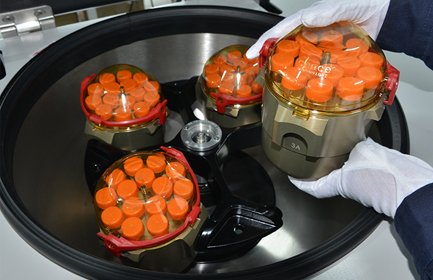
In a fixed-angle rotor, tubes remain at a set angle during centrifugation. A swinging-bucket rotor, by contrast, allows the tubes to move outward as the rotor accelerates. The resulting differences in tube orientation, sedimentation path, and effective rotor radius can influence how separated components collect.
Consequently, changing from one rotor to another may require the centrifugation conditions to be reviewed even when the same blood centrifuge machine is being used. The laboratory should refer to the applicable method and determine the RCF produced by the new rotor rather than assuming that the previous RPM setting can simply be copied.
Rotor selection also needs to reflect the tubes and sample volumes used in routine work. A rotor that accommodates the laboratory's preferred tubes and workload can make daily operation considerably more straightforward than a configuration chosen solely because it offers a higher maximum speed.
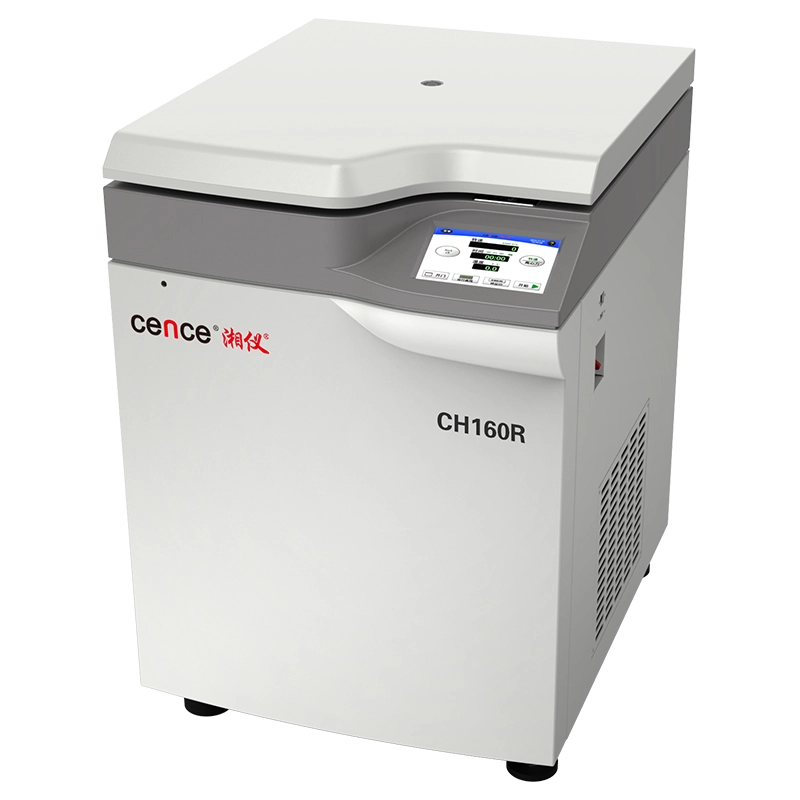
When comparing equipment, laboratories can review the centrifuge configurations available in Cencelab's laboratory centrifuge product range alongside their own tube capacity, rotor, and blood separation requirements. This makes the purchasing decision more closely connected to the actual laboratory workflow.
How Should Centrifuge Speed Be Adjusted for Different Blood Testing Requirements?
The starting point should always be the testing requirement. Before changing centrifugation speed, the laboratory needs to know what fraction it is trying to obtain and what level of residual cellular material is acceptable for the downstream analysis.
For routine plasma or serum preparation, the appropriate setting should come from the laboratory's validated procedure, the relevant test method, or the centrifuge manufacturer's application guidance. If the sample type, tube, rotor, or anticoagulant changes, the established conditions may also need to be reviewed rather than adjusted by trial and error.
For research applications, the laboratory may have greater flexibility to develop its own protocol. Even then, it is useful to change one variable at a time and document the resulting separation quality. This creates a clearer connection between centrifugal force, processing time, and sample characteristics.
When selecting a blood plasma separation centrifuge, laboratories should therefore look beyond the maximum RPM. Stable speed control, an appropriate RCF range, compatible rotors, suitable tube capacity, and repeatable operation are more relevant to day-to-day blood sample processing.
If the intended application involves unusual sample volumes, specialized tubes, or a method that requires a specific centrifugal force, discussing those requirements with the supplier before purchase can prevent compatibility problems later. Cencelab's technical consultation service provides a practical way to clarify equipment configuration and application requirements before a laboratory commits to a particular model.
Comparison of Key Factors in Blood Sample Centrifugation
| Factor | What It Describes | Why It Matters |
|---|
| RCF | Relative centrifugal force applied to the sample | Provides a more transferable reference when comparing different rotors and centrifuges |
| RPM | Rotational speed of the rotor | Useful for operating the instrument but does not account for rotor radius |
| Centrifugation time | Duration of exposure to the selected centrifugal force | Works together with RCF to determine the separation result |
| Rotor type | Tube orientation and effective rotor geometry | Can change the centrifugal conditions and separation behavior |
| Sample type | Plasma, serum, whole blood, or another fraction | Determines the purpose and requirements of the separation step |
| Tube and fill volume | Sample container and amount of blood being processed | Can influence sample geometry, balance, and separation consistency |
Conclusion
There is no universal centrifuge speed for all blood sample applications. Plasma, serum, and whole blood require different separation approaches, and the appropriate condition depends on the purpose of the test, sample preparation, centrifugal force, centrifugation time, rotor configuration, and tube setup.
For laboratories operating a blood centrifuge machine, RCF is often a more useful reference than RPM when reproducing an established method because RCF accounts for rotor radius. At the same time, RCF should not be considered in isolation. The complete centrifugation condition needs to remain consistent with the validated procedure and the characteristics of the sample.
A suitable blood plasma separation centrifuge should provide stable, controllable operation and the rotor options needed for the laboratory's actual workload. Instead of choosing equipment simply because it offers a high maximum speed, laboratories can achieve more reliable results by matching the centrifuge's control range and configuration to their blood separation procedures.
FAQ About Blood Centrifuge Speed
1. What centrifuge speed is suitable for blood samples?
There is no single speed suitable for every blood sample. The required centrifugal force and time depend on whether the laboratory is preparing plasma, serum, whole blood fractions, or another sample type.
2. Should blood centrifugation conditions be specified in RPM or RCF?
RCF is generally more useful when reproducing a validated method because it accounts for rotor radius. RPM alone does not indicate the actual centrifugal force applied to the sample.
3. Can plasma and serum use the same centrifugation speed?
Not necessarily. Plasma and serum are prepared differently, so their validated centrifugation conditions may differ according to the testing procedure and required sample quality.
4. What happens if blood is centrifuged too slowly?
Insufficient centrifugal force may result in incomplete separation, leaving more cellular or particulate material in the liquid fraction than the applicable testing method permits.
5. Does changing the rotor affect blood centrifugation conditions?
Yes. Different rotor geometries and radii can produce different centrifugal forces at the same RPM. The applicable RCF and operating conditions should therefore be checked whenever the rotor changes.
6. What should I look for when choosing a blood centrifuge machine?
Consider the required RCF range, speed control, rotor configuration, tube compatibility, sample capacity, workload, and the supplier's ability to support the intended blood separation application.
 English
 한국어
 français
 Deutsch
 Español
 italiano
 русский
 português
 العربية
 tiếng việt
 Indonesia