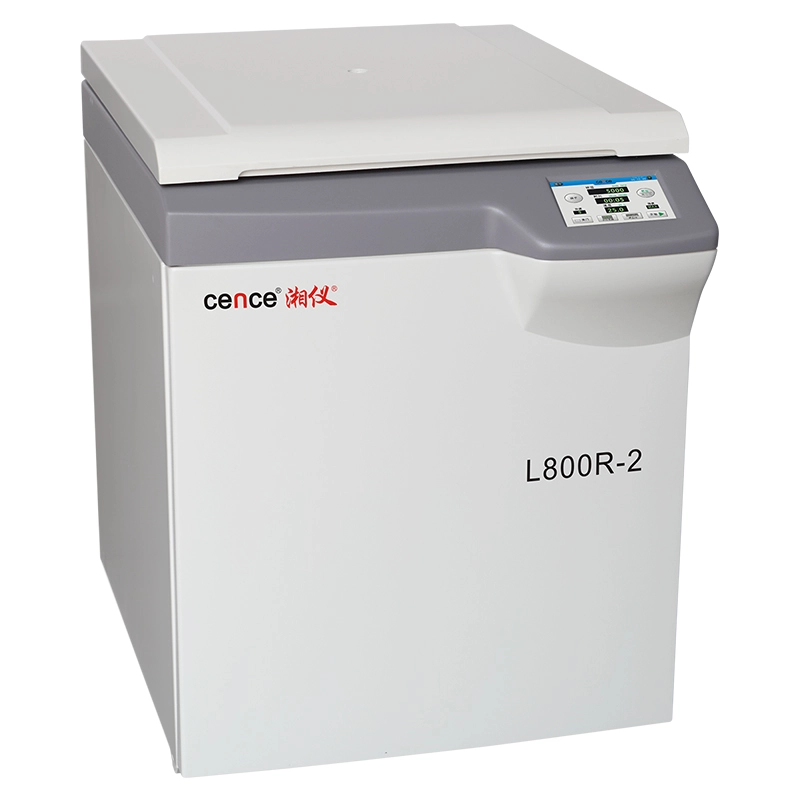
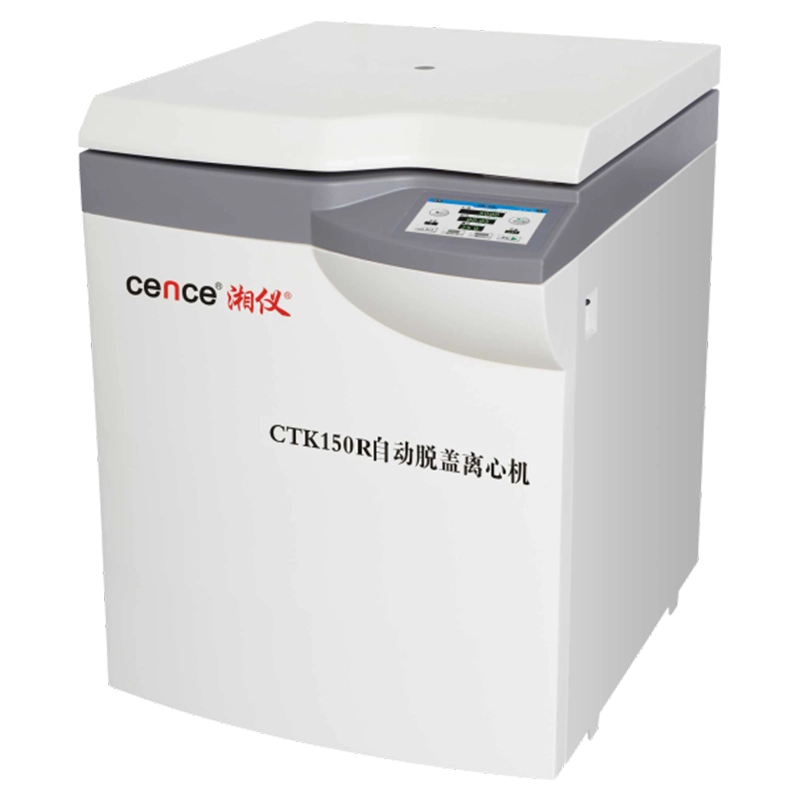
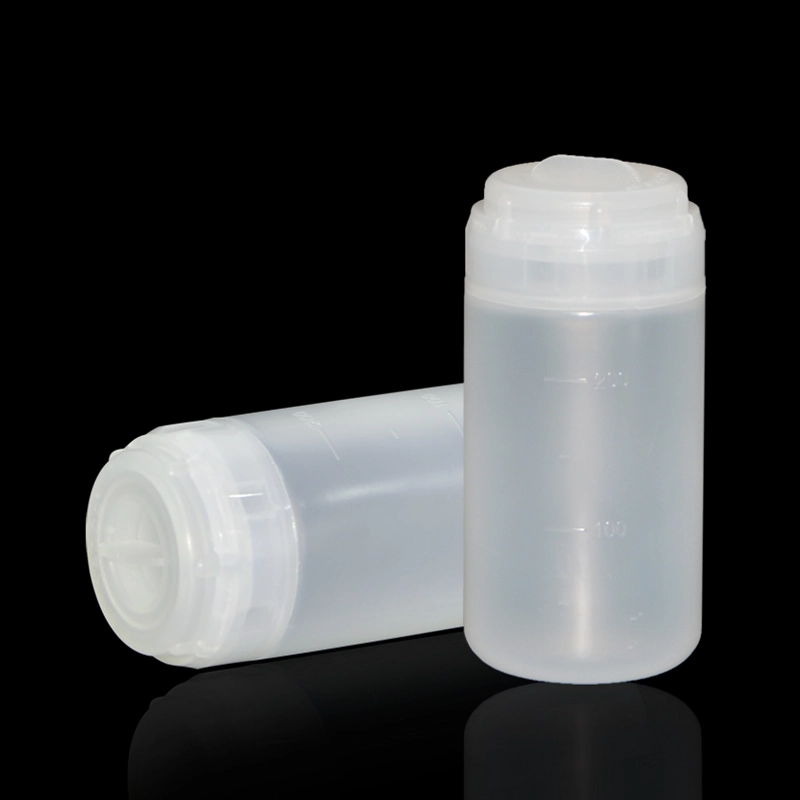
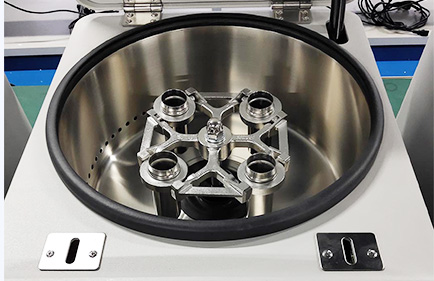
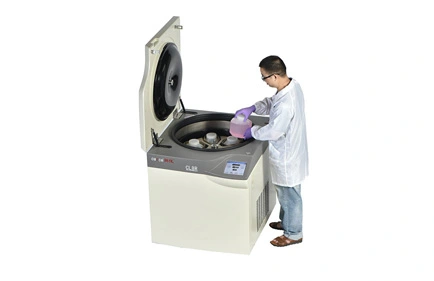
Centrifugation plays a very different role depending on what a laboratory or clinical workflow is trying to achieve. A microcentrifuge may be ideal for processing small-volume samples in microtubes, while a PRP centrifuge machine is designed around a different set of requirements, particularly when blood-derived samples and platelet-rich plasma preparation are involved.
That distinction matters when selecting equipment. A centrifuge should not be evaluated only by its maximum rotational speed or compact size. Rotor configuration, centrifugal force, tube format, sample volume, processing capacity, acceleration and braking behavior, and the intended application all influence whether an instrument is actually suitable for the workflow.
For users comparing a PRP centrifuge machine with a conventional microcentrifuge, the central question is therefore not simply which machine is more powerful. It is which centrifugation system provides the right combination of control and capacity for the samples being processed. Understanding that difference can make equipment selection more straightforward and help prevent a mismatch between the centrifuge and the intended application.
Different Centrifugation Needs, Different Equipment Priorities
A microcentrifuge is generally associated with small-volume laboratory samples, particularly those contained in microcentrifuge tubes. It is commonly used for routine preparation steps where researchers need to collect droplets, separate small amounts of material, concentrate samples, or perform other short centrifugation procedures.
A PRP centrifuge machine, by contrast, is selected with platelet-rich plasma workflows in mind. The objective is not simply to spin a small tube at high speed. The centrifugation process needs to support separation of blood components while accommodating the containers, volumes, and protocols used for PRP preparation.
This difference changes the equipment priorities. A microcentrifuge may place greater emphasis on compactness, high-speed operation, microtube compatibility, and rapid handling of individual samples. A platelet rich plasma centrifuge may place greater emphasis on controlled separation conditions, rotor configuration, tube or container capacity, and repeatable processing of blood-derived samples.
Neither category is universally better. Their designs reflect different workflows. Choosing between them becomes much easier once the sample type and intended processing procedure have been clearly defined.
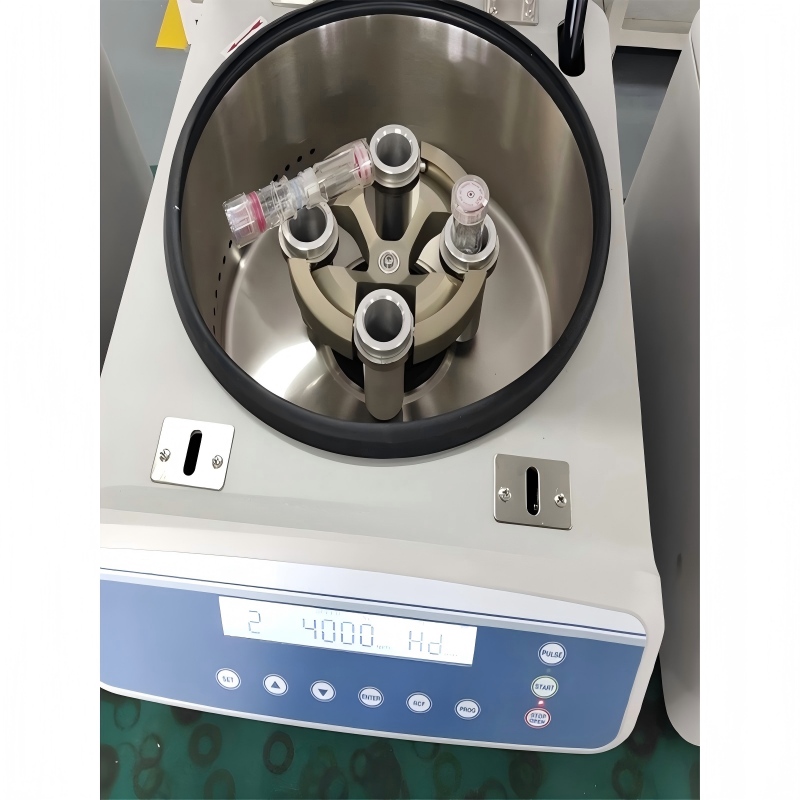
Comparing Centrifugation Performance and Separation Control
Rotational speed is one of the most visible specifications when comparing centrifuges, but it is not sufficient for evaluating separation performance. The centrifugal force applied to a sample depends on both rotor speed and rotor radius, which means that two centrifuges operating at the same RPM can produce different RCF values.
For this reason, users should pay attention to the required RCF rather than comparing RPM alone. This is particularly important when a laboratory protocol has been developed around a defined centrifugal force.
In a PRP centrifuge machine, controlled centrifugation conditions are especially relevant because the separation objective involves different blood components. The appropriate conditions depend on the specific PRP preparation protocol, sample characteristics, collection system, and intended downstream use. Equipment should therefore be selected according to the validated procedure rather than assuming that a higher speed will automatically produce a better result.
A microcentrifuge can offer a very different performance profile. Its high-speed capability can be valuable for applications that require strong centrifugal force in a small tube, but that does not necessarily make it appropriate for every PRP workflow.
The distinction can be summarized simply: microcentrifuges are often optimized around small laboratory samples and high-speed microtube processing, whereas a platelet rich plasma centrifuge is designed around the requirements of plasma-related separation workflows. Performance should therefore be judged by how well the centrifugation conditions match the application.
Rotor Configuration and Its Impact on Sample Processing
The rotor is one of the components that most directly connects centrifuge design with sample behavior. Tube angle, available positions, container compatibility, and rotor capacity can all affect how samples are processed.
Microcentrifuges commonly use rotors designed for microcentrifuge tubes. Their compact dimensions make them convenient for small-volume laboratory work, and the rotor geometry is generally optimized for this type of container.
A PRP centrifuge machine may require a different rotor configuration because PRP workflows can involve larger tubes or specialized blood collection containers. The rotor needs to accommodate those containers securely while providing the centrifugation conditions required by the relevant protocol.
Rotor configuration also affects workflow efficiency. If a laboratory routinely processes several samples in one session, the number and type of available positions can be just as important as maximum speed. A centrifuge that requires frequent rotor changes or adapters may introduce additional handling steps, whereas an appropriately configured rotor can make the procedure more straightforward.
For this reason, rotor selection should happen alongside tube selection rather than afterward. A technically impressive centrifuge is of limited value if the rotor cannot accommodate the containers routinely used in the laboratory or clinical workflow.
Sample Volume, Tube Format, and Processing Capacity
Sample volume is one of the clearest differences between a microcentrifuge and a platelet rich plasma centrifuge. Microcentrifuges are primarily intended for small-volume samples and microtubes, making them particularly convenient when the available material is limited.
PRP workflows can involve larger sample volumes and different collection containers. The appropriate PRP centrifuge machine therefore needs to provide suitable capacity without compromising the centrifugation conditions required for the procedure.
| Consideration | Microcentrifuge | PRP Centrifuge Machine |
|---|
| Primary workflow | Small-volume laboratory sample processing | PRP and blood-derived sample separation workflows |
| Typical container focus | Microcentrifuge tubes and compatible adapters | Blood collection tubes or containers supported by the rotor |
| Sample volume | Generally optimized for small volumes | Selected according to the PRP collection and preparation protocol |
| Performance priority | Efficient small-volume centrifugation and high-speed capability where required | Controlled and repeatable separation conditions appropriate to PRP workflows |
| Rotor priority | Compact rotor configuration for microtubes | Rotor configuration matched to PRP tubes or collection systems |
| Capacity consideration | Often focused on individual or small batches of microtubes | Capacity should match the number and size of PRP samples processed per cycle |
| Best selection approach | Match the instrument to tube format and laboratory protocol | Match the instrument to PRP protocol, sample volume, containers, and workflow |
Capacity should also be viewed in terms of the complete workflow. Processing more tubes per cycle can reduce the number of runs, but only when the rotor accommodates the required containers and the centrifugation conditions remain appropriate. For a busy laboratory or clinical environment, this can have a meaningful effect on daily workflow efficiency.
When reviewing centrifugation equipment alongside other laboratory solutions, the Cence laboratory products provide a broader reference point for considering equipment according to application and workflow rather than focusing on a single specification.
From PRP Preparation to Routine Micro-Sample Processing
The difference between the two centrifuge categories becomes particularly clear when looking at their intended applications.
A PRP centrifuge machine is primarily associated with workflows in which blood is processed to obtain a platelet-rich plasma fraction. Because PRP preparation involves separation of blood components, the centrifuge must be compatible with the collection containers and processing procedure being used. Exact operating conditions should follow the applicable validated protocol and equipment instructions rather than relying on generic speed recommendations.
A microcentrifuge serves a broader range of small-volume laboratory procedures. Researchers may use it for sample collection, nucleic-acid workflows, protein preparation, precipitate separation, or other applications where microcentrifuge tubes are appropriate.
That means there can be some overlap in centrifugation technology without there being a direct substitution between the two machines. A microcentrifuge may be perfectly capable of producing substantial centrifugal force, but its tube capacity, rotor design, and intended workflow may not make it the right choice for PRP preparation.
Likewise, using a platelet rich plasma centrifuge for every small-volume laboratory task would not necessarily be efficient. If most samples are contained in microtubes and require short, routine processing steps, a compact microcentrifuge may provide a more practical solution.
The best equipment is therefore determined by the actual sample pathway. Understanding what enters the centrifuge, what separation is required, how many samples are processed at a time, and what happens immediately afterward provides a much clearer basis for equipment selection than comparing speed figures alone.
Which Centrifuge Makes More Sense for Your Application?
The decision between a PRP centrifuge machine and a microcentrifuge should begin with the application rather than the machine category.
If the workflow involves PRP preparation from blood samples, the centrifuge should be evaluated according to the required collection tubes or containers, sample volume, rotor configuration, centrifugal force, and validated processing protocol. In this situation, a dedicated platelet rich plasma centrifuge is generally the more logical starting point because its configuration is intended to support this type of separation workflow.
If the laboratory primarily processes small-volume samples in microcentrifuge tubes, a conventional microcentrifuge may be more appropriate. Its compact footprint, small-tube compatibility, and high-speed operating range can make it well suited to routine laboratory preparation.
There are also situations in which a laboratory may need both. A facility performing PRP preparation alongside molecular biology or other small-volume research procedures may benefit from using dedicated equipment for each workflow. Separating these applications can simplify tube compatibility, operating procedures, and day-to-day sample handling.
Before purchasing, it is worth checking several practical details: the required RCF range, compatible tube formats, rotor capacity, acceleration and braking characteristics, operating controls, safety functions, and maintenance requirements. These details often have a greater impact on long-term usability than a single headline specification.
For application-specific questions, discussing the actual sample volume, tube type, expected workload, and centrifugation requirements with the equipment supplier can help narrow the options more efficiently. The Cence contact page provides a convenient way to discuss equipment requirements and identify a configuration that better fits the intended workflow.
Conclusion
A PRP centrifuge machine and a microcentrifuge may both use centrifugal force to separate samples, but they are built around different priorities. The microcentrifuge is generally optimized for small-volume laboratory samples and microtubes, while a platelet rich plasma centrifuge is designed around the sample containers, capacity, and separation requirements associated with PRP preparation.
Speed alone does not establish which option is better. RCF, rotor geometry, tube compatibility, sample volume, capacity, and workflow requirements provide a much more useful basis for comparison. A centrifuge that matches the application can improve not only processing efficiency but also the consistency of routine procedures.
For laboratories and clinical environments evaluating centrifugation equipment, the most reliable approach is to define the sample and workflow first, then select the centrifuge configuration that supports those requirements. With that approach, both a PRP centrifuge machine and a microcentrifuge can deliver strong value—provided they are used for the applications they are designed to handle.
FAQ
1. What is the main difference between a PRP centrifuge machine and a microcentrifuge?
A PRP centrifuge machine is designed around PRP and blood-derived sample separation workflows, while a microcentrifuge is generally intended for small-volume laboratory samples processed in microcentrifuge tubes.
2. Is a microcentrifuge suitable for PRP preparation?
It depends on the specific protocol, tubes, rotor, and centrifugation requirements. A microcentrifuge should not be assumed to be suitable for PRP preparation simply because it can generate high centrifugal force.
3. Why is RCF more useful than RPM when comparing centrifuges?
RCF describes the centrifugal force applied to the sample, while RPM describes rotor rotation speed. Because rotor radius affects RCF, the same RPM can produce different centrifugal forces on different centrifuges.
4. Why does rotor configuration matter for a platelet rich plasma centrifuge?
The rotor determines which tubes or containers can be used, how samples are positioned, and how many samples can be processed per cycle. These factors directly affect PRP workflow compatibility and efficiency.
5. Can a PRP centrifuge machine also process small laboratory samples?
That depends on the specific rotor and tube compatibility. A PRP centrifuge machine should be used for additional applications only when the manufacturer confirms that the relevant tubes, adapters, and operating conditions are supported.
6. What should I check before purchasing a PRP centrifuge?
Check the required RCF range, rotor configuration, compatible tubes or containers, sample volume, capacity, operating controls, safety functions, and maintenance requirements. The equipment should ultimately be matched to the validated PRP preparation workflow.
 English
 한국어
 français
 Deutsch
 Español
 italiano
 русский
 português
 العربية
 tiếng việt
 Indonesia