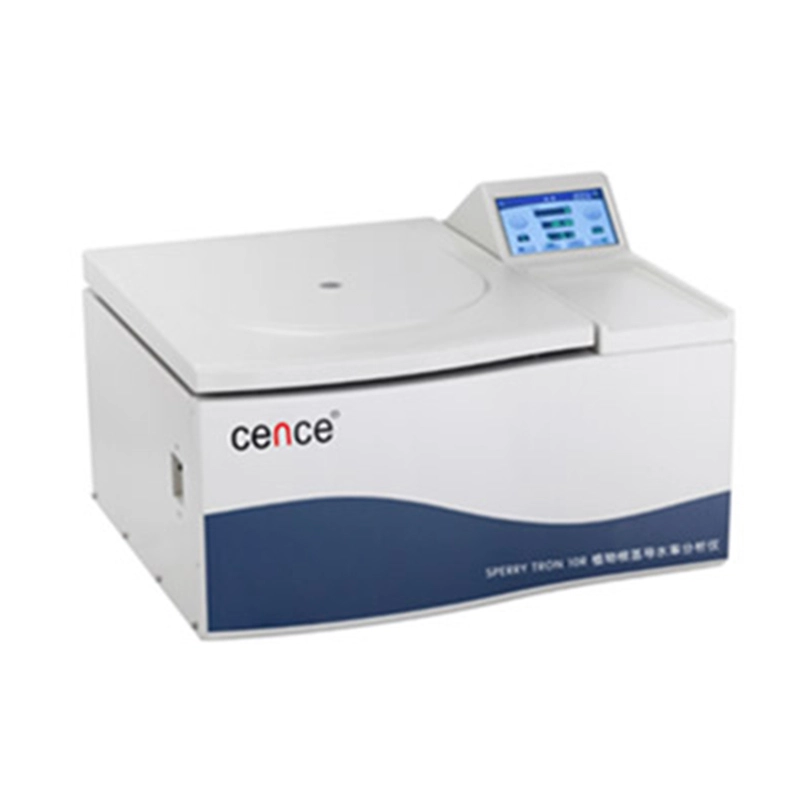
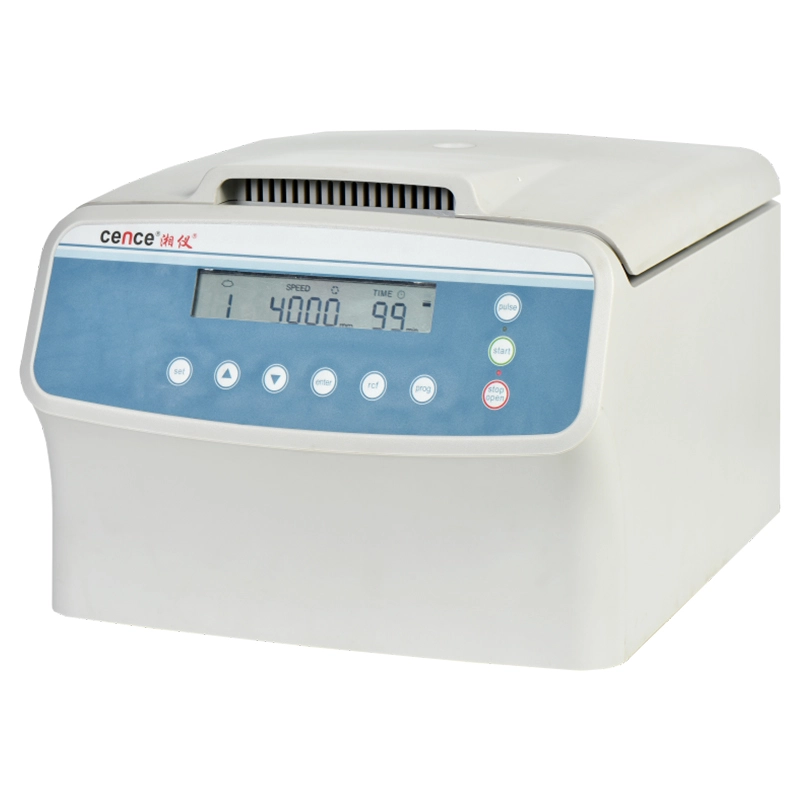
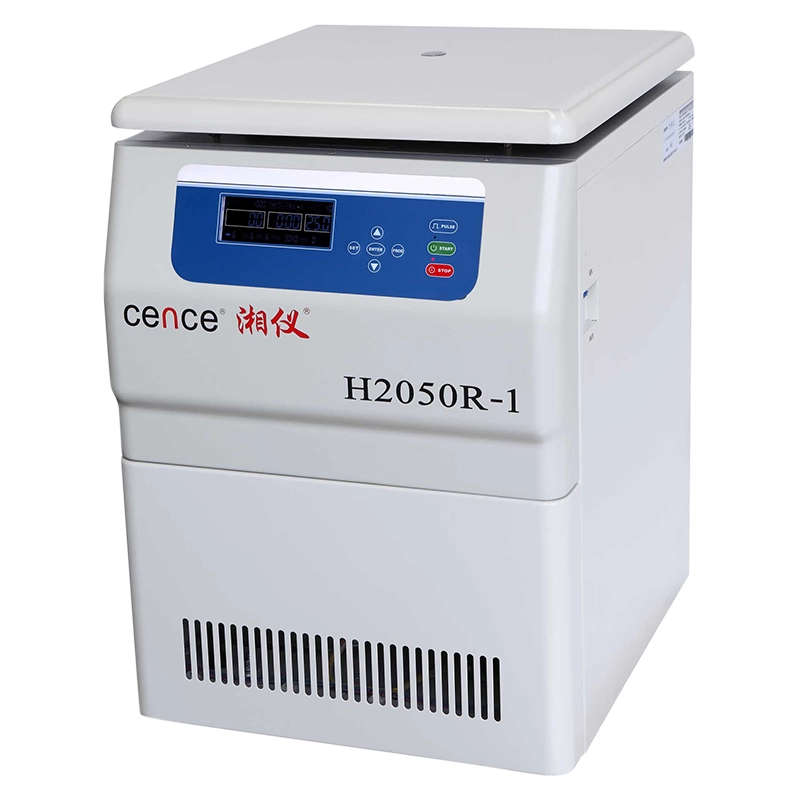
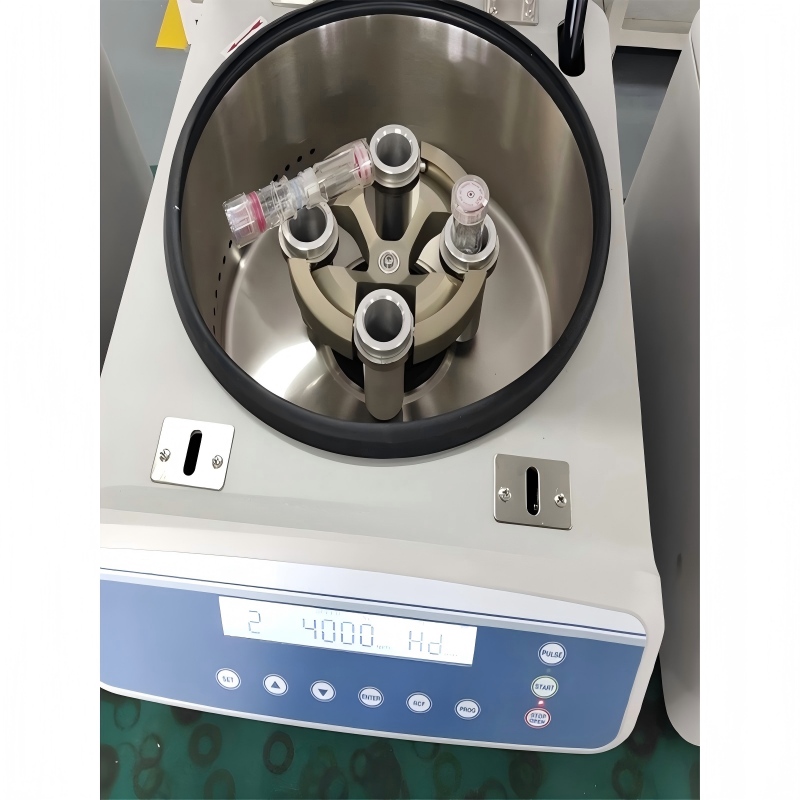
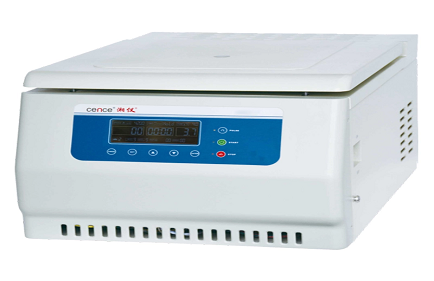
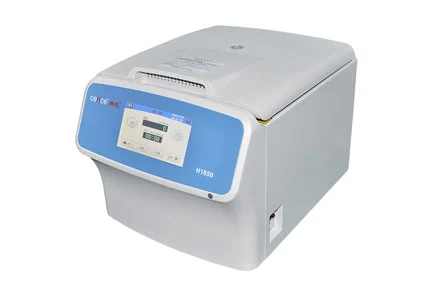
A single blood sample contains multiple components with different medical values, and unlocking these components requires more than simple separation—it requires precision, stability, and careful control. In modern healthcare and laboratory environments, centrifugation serves as a critical bridge between collected blood samples and high-quality blood products. This makes the selection of a suitable blood bag centrifuge machine an important consideration for facilities focused on reliable blood processing.
From separating plasma and red blood cells to supporting routine blood bank workflows, a professional blood bag centrifuge must adapt to different processing requirements. Equipment features such as rotor capacity, acceleration control, temperature management, and safety systems determine how effectively the centrifuge can support consistent results across different applications.
As blood processing standards continue to evolve, medical facilities need centrifugation solutions that combine performance, flexibility, and operational reliability. Cencelab supports laboratories and healthcare institutions with dependable equipment solutions, helping users match centrifuge capabilities with their specific blood processing goals.
Identifying Blood Processing Requirements for Different Blood Bag Centrifuge Applications
Before selecting a blood bag centrifuge machine, medical facilities need to understand their specific blood processing requirements. Different applications, including blood component preparation, laboratory testing, and medical research, may require different centrifugation conditions, capacities, and equipment configurations.
Blood banks generally focus on efficient processing of multiple blood bags while maintaining consistent separation quality. Hospitals and medical laboratories may require more flexible solutions that can handle different sample volumes and support various daily workflows. In research environments, precise control and repeatable performance are often the most important considerations.
A reliable blood bag centrifuge is commonly used for separating whole blood into components such as plasma, red blood cells, and other blood fractions. Since each component has different requirements for handling and storage, stable centrifugation conditions are essential for maintaining sample quality.
When evaluating a blood bag centrifuge machine, facilities should consider several factors, including the number of blood bags processed per cycle, required throughput, available laboratory space, compatibility with existing workflows, and long-term operational needs. A clear understanding of these requirements helps users select equipment that provides better performance and efficiency.
For facilities comparing different centrifugation solutions, exploring Cencelab’s laboratory centrifugation products and medical equipment solutions can help identify suitable options for different blood processing applications.
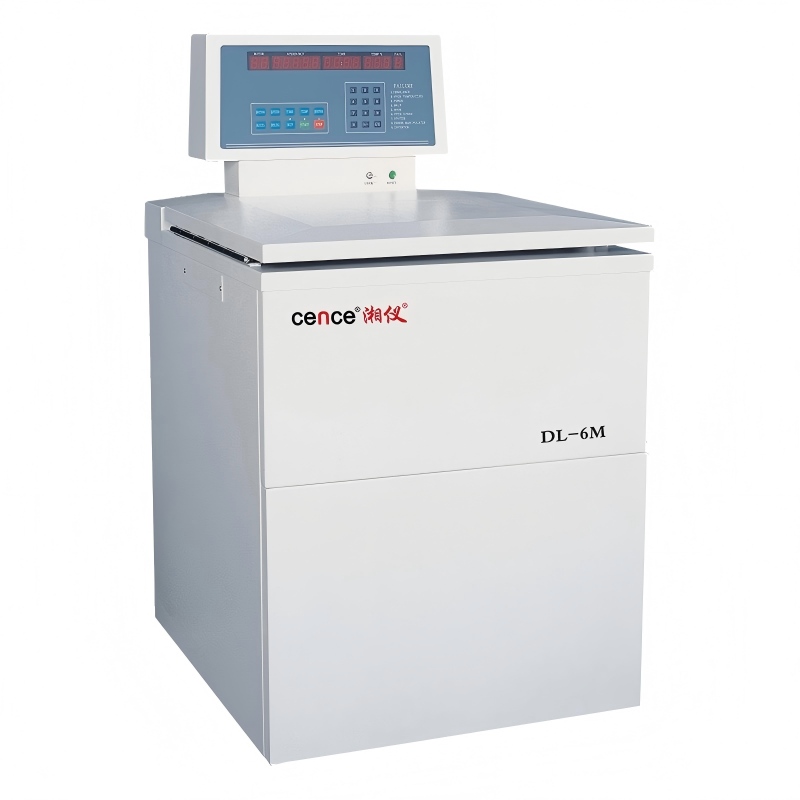
Matching Rotor Capacity and Configuration with Blood Bag Processing Workflows
Rotor design and capacity directly influence the efficiency of a blood bag centrifuge. Since blood bags vary in size and processing requirements, choosing the right rotor configuration ensures better balance, stability, and separation performance.
Large blood banks that process high volumes of blood products often require centrifuges with higher-capacity rotors to improve productivity. These systems allow more blood bags to be processed in each cycle, helping reduce processing time and support continuous workflows.
Smaller medical laboratories may prefer compact configurations that provide reliable performance while saving valuable workspace. In these environments, the flexibility of a blood bag centrifuge machine can be more important than maximum capacity.
Rotor compatibility is also important for safe operation. Properly matched rotors help maintain balanced rotation, reduce vibration, and support stable centrifugation conditions. This is especially important when processing blood bags because uneven loading can affect equipment performance.
| Selection Factor | High-Volume Blood Processing Facilities | Small and Medium Medical Laboratories |
|---|
| Rotor Capacity | Higher capacity for processing multiple blood bags efficiently | Moderate capacity for routine laboratory workflows |
| Equipment Priority | Throughput, durability, and continuous operation | Flexibility, convenience, and space efficiency |
| Configuration Focus | Optimized for large-scale blood component preparation | Suitable for diverse daily applications |
| Main Requirement | Stable performance under frequent use | Reliable operation with simple management |
Selecting the appropriate rotor capacity allows a blood bag centrifuge machine to operate more efficiently while maintaining consistent separation results. The right configuration also helps facilities prepare for future increases in processing demand.
Optimizing Centrifugation Speed and Control for Consistent Blood Component Separation
Centrifugation speed is one of the most important parameters affecting blood component separation. A professional blood bag centrifuge machine must provide accurate speed control to ensure efficient separation while protecting sensitive blood components.
Different blood processing procedures may require different centrifugation conditions. Excessive centrifugal force may negatively affect sample quality, while insufficient force may result in incomplete separation. Therefore, precise control systems are essential for achieving consistent results.
Modern blood bag centrifuge systems often include programmable controls that allow operators to set and repeat specific operating parameters. This improves workflow consistency and reduces variation between different processing cycles.
Stable acceleration and deceleration are also important because sudden changes in movement may create unnecessary stress on blood components. Controlled operation helps maintain separation quality and supports more reliable laboratory outcomes.
Maintaining Blood Component Quality Through Temperature Control and Stability Features
Blood components are sensitive biological materials that require careful handling throughout processing. Temperature control and mechanical stability are therefore important features of a high-performance blood bag centrifuge machine.
During centrifugation, mechanical energy may generate heat, which can influence the stability of certain blood components. Temperature management helps maintain suitable processing conditions and supports better preservation of sample quality.
A reliable blood bag centrifuge should also provide stable operation with minimal vibration. Balanced rotation and strong mechanical design help maintain consistent separation conditions while reducing unnecessary stress on both samples and equipment.
For blood banks and medical facilities, combining temperature stability with precise centrifugation control helps improve processing reliability. These features are especially valuable when handling blood products that require strict quality management.
Safety Features That Support Reliable Blood Bag Centrifuge Machine Operation
Safety is a fundamental requirement for any blood bag centrifuge machine. Because centrifuges operate at high rotational speeds, advanced protection systems are necessary to safeguard operators, samples, and equipment.
Common safety features include automatic lid locking, imbalance detection, overload protection, and controlled acceleration systems. These functions help prevent operational problems and improve user confidence during daily laboratory procedures.
Imbalance detection is particularly important for blood processing applications because blood bags may create uneven weight distribution if not positioned correctly. Automatic monitoring systems can detect abnormal conditions and help prevent unsafe operation.
A well-designed blood bag centrifuge combines performance with safety, allowing medical facilities to maintain efficient workflows while reducing operational risks.
Selecting Blood Bag Centrifuge Machine Configurations for Blood Banks and Medical Facilities
Different healthcare facilities have different centrifugation requirements, so selecting the right blood bag centrifuge machine configuration requires careful evaluation of workflow needs.
Blood banks usually prioritize high processing capacity, long-term durability, and consistent separation performance. Since these facilities may process large numbers of blood products, equipment reliability is essential for maintaining continuous operations.
Hospitals and smaller medical laboratories may require more flexible systems that support multiple applications while occupying less space. In these environments, a compact blood bag centrifuge with reliable control features can provide an effective balance between performance and practicality.
When choosing equipment, facilities should evaluate rotor compatibility, processing capacity, speed control, temperature management, safety features, and maintenance requirements. A properly selected centrifuge configuration can improve efficiency and support reliable blood processing workflows.
Cencelab provides laboratory solutions designed to support professional medical applications. Facilities that need assistance with selecting suitable centrifugation equipment can contact Cencelab’s laboratory specialists for professional centrifuge guidance.
Conclusion
Selecting the right blood bag centrifuge machine requires more than considering basic equipment specifications. Rotor capacity, centrifugation speed, temperature control, stability features, and safety functions all influence how effectively a centrifuge supports blood processing requirements.
A reliable blood bag centrifuge helps medical facilities achieve consistent blood component separation while maintaining sample quality and operational safety. By matching equipment features with specific workflow needs, blood banks, hospitals, and laboratories can improve efficiency and maintain reliable processing standards.
With professional laboratory solutions and application-focused equipment, Cencelab helps healthcare and research facilities select centrifugation systems designed for accurate, stable, and efficient blood processing.
FAQ
1. What is a blood bag centrifuge used for?
A blood bag centrifuge is used to separate whole blood into different components, such as plasma and red blood cells, through controlled centrifugal force.
2. Why is rotor capacity important for a blood bag centrifuge machine?
Rotor capacity determines how many blood bags can be processed in each cycle and affects overall laboratory efficiency.
3. How does centrifugation speed affect blood separation?
Proper speed control helps achieve effective separation while maintaining the quality and stability of blood components.
4. Why does a blood bag centrifuge machine require temperature control?
Temperature control helps protect sensitive blood components and maintains stable processing conditions during centrifugation.
5. What safety features should a blood bag centrifuge have?
Important safety features include automatic locking, imbalance detection, overload protection, and controlled acceleration systems.
6. How should a medical facility choose a blood bag centrifuge machine?
Facilities should consider processing volume, rotor configuration, speed requirements, temperature control, safety functions, and workflow needs before selecting equipment.
 English
 한국어
 français
 Deutsch
 Español
 italiano
 русский
 português
 العربية
 tiếng việt
 Indonesia