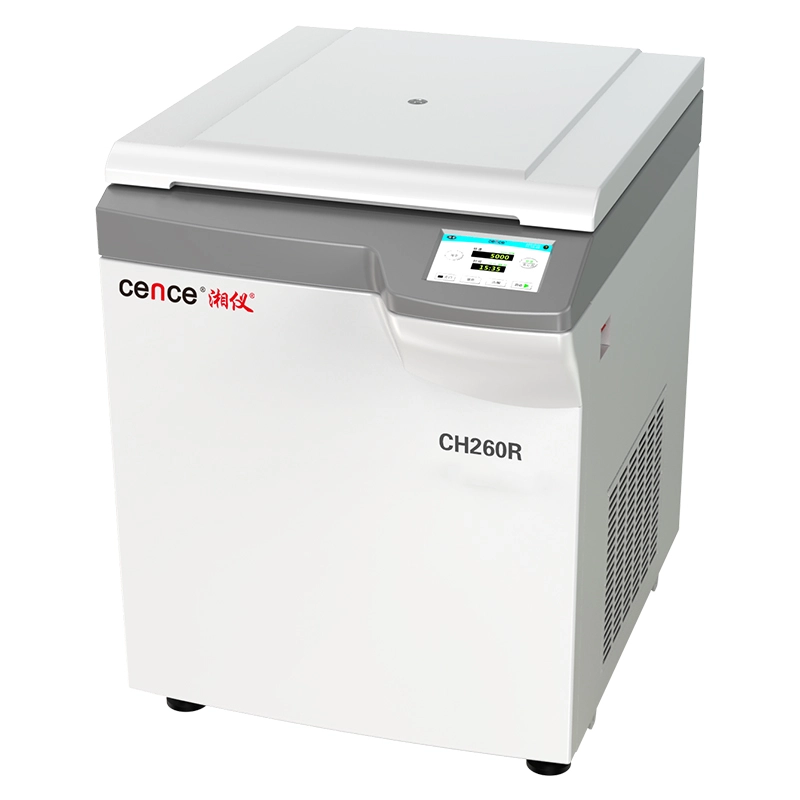
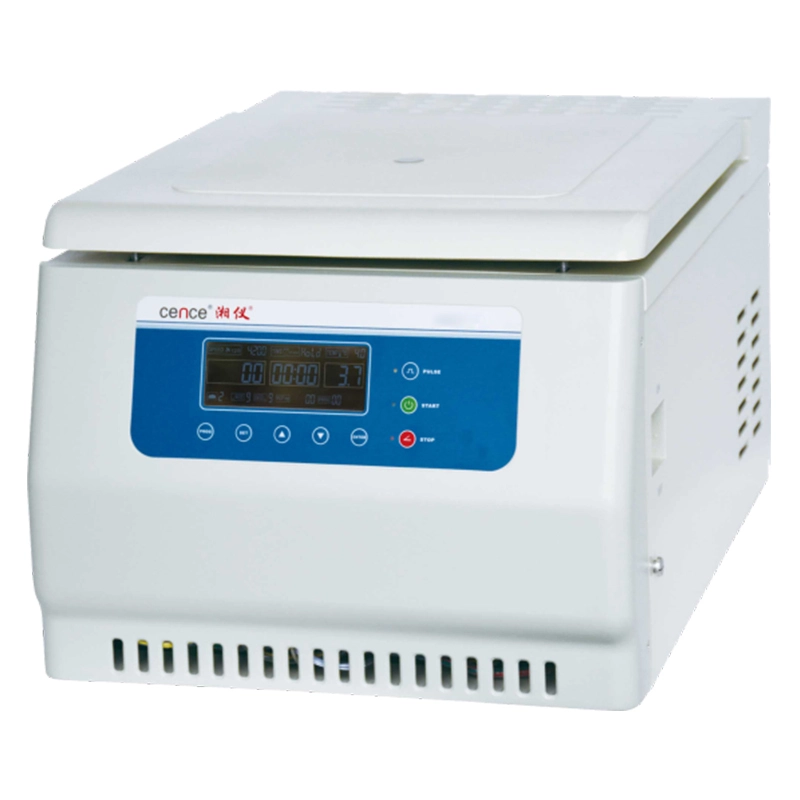
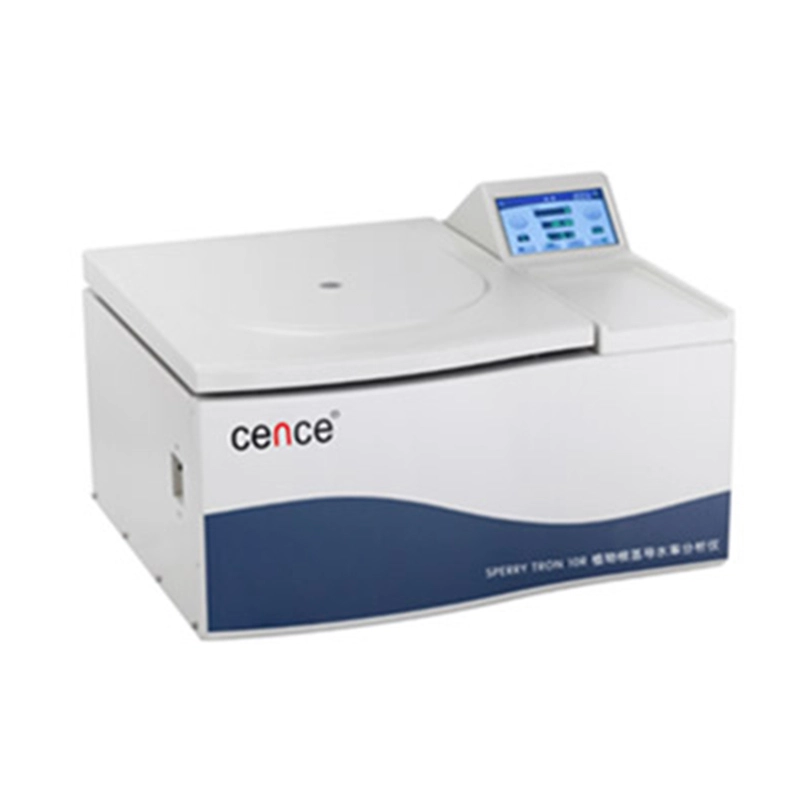
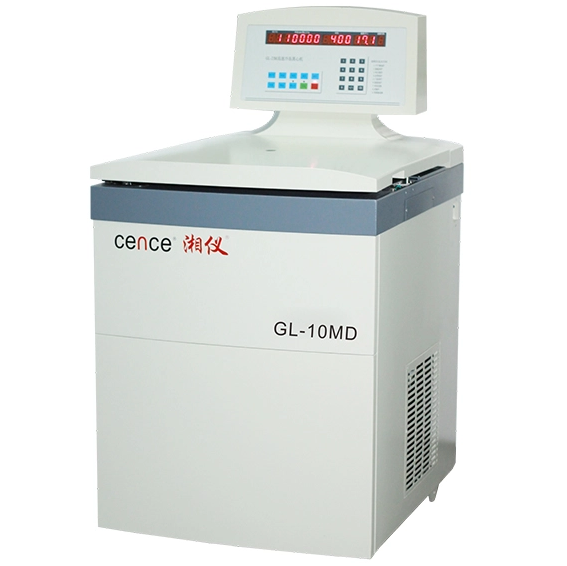
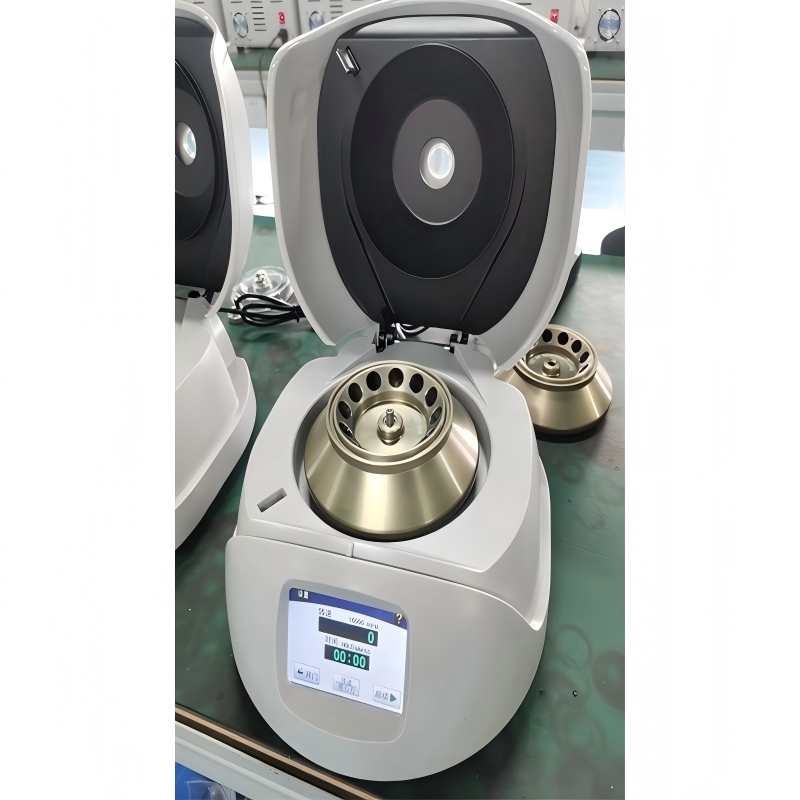
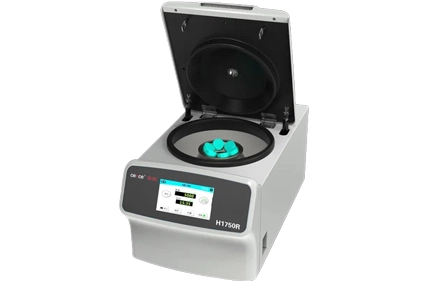
Platelet-rich plasma (PRP) preparation depends on a carefully controlled separation process where centrifugation directly influences platelet concentration, sample quality, and preparation consistency. Since blood components have different densities, the performance of a prp centrifuge machine plays an important role in separating plasma and platelets while maintaining the biological properties required for effective PRP applications.
A suitable centrifuge for prp must provide accurate speed control, stable operation, and repeatable processing conditions. Small differences in centrifugation parameters can affect platelet recovery, plasma separation, and overall PRP preparation quality. Therefore, selecting equipment with appropriate design features is essential for laboratories and medical facilities that require reliable PRP workflows.
Cencelab provides professional laboratory centrifugation solutions designed to support precise sample processing. Understanding how centrifuge performance affects PRP preparation helps users make informed decisions when selecting equipment for different research, clinical, and laboratory applications.
How Centrifugation Parameters Influence Platelet Concentration in PRP Preparation
Centrifugation parameters are among the most important factors affecting platelet concentration during PRP preparation. A prp centrifuge machine must generate controlled centrifugal force to separate blood components while maintaining platelet quality.
The main parameters influencing PRP preparation include centrifugal force, rotation speed, centrifugation time, and acceleration or deceleration settings. Each parameter affects how effectively blood components separate into layers, including plasma, platelets, and red blood cells.
If centrifugation conditions are not properly controlled, platelet recovery may be inconsistent. Excessive force may cause unwanted interaction between blood components, while insufficient separation conditions may result in lower platelet concentration. Therefore, a reliable centrifuge for prp should provide precise adjustment capabilities to meet different preparation requirements.
The preparation method and sample characteristics also influence the final PRP quality. Factors such as blood volume, collection method, and processing workflow should be considered together with centrifuge performance to achieve stable results.
For laboratories evaluating different centrifugation solutions, exploring Cencelab’s laboratory centrifugation products and sample preparation equipment can help identify suitable options based on specific application requirements.
The Role of PRP Centrifuge Machine Design in Achieving Consistent Blood Separation
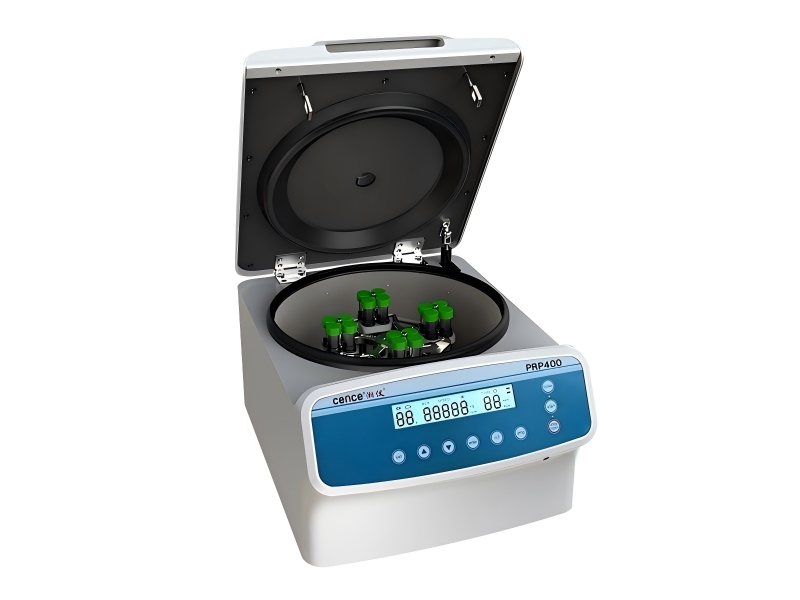
The structural design of a prp centrifuge machine directly affects separation accuracy and operational reliability. A well-designed centrifuge provides stable rotation, balanced operation, and consistent processing conditions, which are essential for repeatable PRP preparation.
Rotor design is one of the key factors influencing performance. The rotor must properly accommodate sample tubes or containers while maintaining balance during high-speed operation. Proper balance reduces vibration and helps create a stable environment for blood component separation.
A professional centrifuge for prp should also provide compatibility with different sample handling requirements. Flexible rotor configurations allow laboratories to process various sample volumes while maintaining consistent separation performance.
Another important design feature is operational stability. A centrifuge that maintains consistent rotation conditions helps reduce variations between preparation cycles, supporting more predictable PRP quality.
Modern PRP centrifuge systems are designed with user-friendly controls and reliable safety mechanisms. These features improve workflow efficiency and help operators maintain consistent preparation procedures.
Optimizing Speed Control and Centrifugation Stability for Improved PRP Quality
Speed control is a critical performance factor for any prp centrifuge machine. Accurate speed management allows users to create suitable separation conditions while minimizing unnecessary stress on blood components.
A stable centrifugation process requires consistent rotation speed throughout the entire cycle. Fluctuations in speed may influence the separation process and lead to differences in platelet concentration between batches.
Advanced centrifuge for prp systems often include programmable control functions that allow users to set specific operating parameters. This improves repeatability and enables laboratories to establish standardized preparation procedures.
| Performance Factor | Impact on PRP Preparation | Importance for Equipment Selection |
|---|
| Speed Control | Influences separation efficiency and platelet recovery | Requires accurate and stable operation |
| Rotor Stability | Affects sample balance and processing consistency | Supports reliable repeated cycles |
| Acceleration and Deceleration | Helps protect separated blood components | Provides smoother sample handling |
| Temperature Management | Supports sample condition maintenance | Important for sensitive applications |
By optimizing speed control and mechanical stability, a prp centrifuge machine can help laboratories improve preparation consistency and achieve more reliable PRP separation results.
Protecting Platelet Integrity Through Precise Centrifugation Management
Platelet integrity is a key consideration in PRP preparation because the biological characteristics of platelets influence the quality of the final product. A properly configured centrifuge for prp helps protect platelets during the separation process.
Centrifugation conditions that are too aggressive may affect platelet distribution, while insufficient separation may reduce preparation efficiency. Precise control of centrifugal conditions allows operators to balance separation performance with sample protection.
A reliable prp centrifuge machine supports controlled acceleration, stable rotation, and repeatable processing cycles. These features help minimize unnecessary mechanical stress and contribute to maintaining platelet characteristics.
In addition to centrifuge performance, proper sample handling procedures are also important. Combining suitable equipment with standardized preparation methods helps improve overall workflow reliability.
How Reliable PRP Centrifuge Performance Supports Repeatable Preparation Results
Consistency is one of the most important requirements in PRP preparation. A reliable prp centrifuge machine enables laboratories to repeat established preparation procedures with similar operating conditions.
Repeatable centrifugation performance depends on several factors, including motor stability, rotor balance, control accuracy, and equipment durability. When these elements work together, laboratories can reduce variations between different preparation cycles.
A high-quality centrifuge for prp also improves operational efficiency by reducing the need for frequent parameter adjustments. Standardized operation helps technicians follow consistent workflows and achieve predictable results.
For medical and research environments, equipment reliability is directly connected to workflow confidence. Choosing a centrifuge designed for stable performance supports long-term laboratory efficiency and better process management.
Enhancing PRP Preparation Efficiency with Advanced Centrifuge Technology
As demand for precise biological sample processing continues to grow, advanced centrifuge technology provides new opportunities to improve PRP preparation efficiency. A modern prp centrifuge machine combines precise control, convenient operation, and reliable performance to support professional laboratory applications.
Automation features, digital controls, and improved safety systems help simplify operation while maintaining processing accuracy. These improvements allow laboratories to optimize workflows and reduce unnecessary operational complexity.
A well-designed centrifuge for prp can support different preparation requirements by providing flexible settings and consistent performance. This makes it suitable for laboratories that require dependable centrifugation across various applications.
Cencelab focuses on providing laboratory solutions that support accurate sample preparation and efficient workflows. Facilities looking for guidance on selecting suitable centrifugation equipment, application requirements, or PRP preparation solutions can contact Cencelab’s laboratory specialists for professional equipment guidance.
Conclusion
The performance of a prp centrifuge machine has a direct impact on platelet concentration, separation consistency, and overall PRP preparation quality. Factors such as speed control, rotor stability, centrifugation parameters, and equipment design all influence the reliability of the final preparation process.
Choosing an appropriate centrifuge for prp allows laboratories to establish more consistent workflows while protecting platelet integrity during separation. Reliable centrifugation technology helps improve preparation efficiency and supports higher standards in medical and research environments.
With professional laboratory centrifugation solutions, Cencelab helps users select equipment designed for precision, stability, and dependable performance in PRP preparation applications.
FAQ
1. What is a prp centrifuge machine used for?
A prp centrifuge machine is used to separate blood components and concentrate platelets during PRP preparation.
2. How does centrifugation speed affect PRP quality?
Centrifugation speed influences blood component separation and affects platelet recovery and preparation consistency.
3. Why is rotor stability important for a centrifuge for PRP?
Rotor stability helps maintain balanced operation, reduce vibration, and support consistent blood separation.
4. What features should a PRP centrifuge machine have?
Important features include accurate speed control, stable rotation, programmable settings, and reliable safety functions.
5. Can one centrifuge for PRP support different preparation workflows?
Yes, many modern systems provide adjustable parameters and rotor options to support different sample processing requirements.
6. How can laboratories improve PRP preparation consistency?
Laboratories can improve consistency by using reliable centrifuge equipment, standardized procedures, and carefully controlled centrifugation parameters.
 English
 한국어
 français
 Deutsch
 Español
 italiano
 русский
 português
 العربية
 tiếng việt
 Indonesia