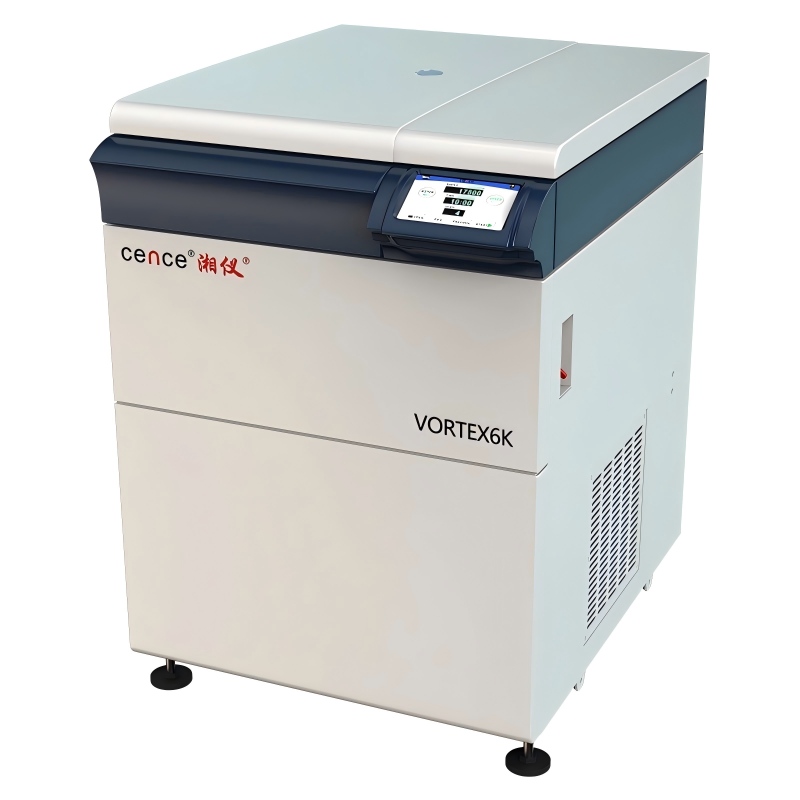
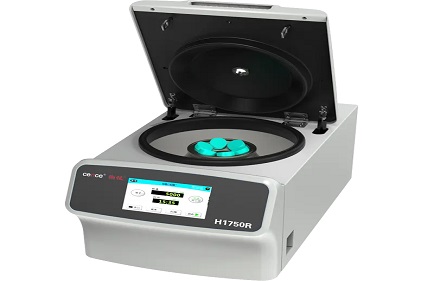
When centrifugation needs to be both fast and temperature-controlled, simply increasing rotor speed is not enough. High-speed operation can improve separation efficiency, but it can also introduce heat into the centrifugation process. For samples that are sensitive to temperature changes, that added heat can become just as important as the centrifugal force itself.
This is the practical reason laboratories turn to a high speed refrigerated centrifuge machine. By combining high-speed rotation with active temperature control, this type of centrifuge is designed to manage two conditions at the same time: generating sufficient centrifugal force for efficient separation and keeping the sample environment within the required temperature range.
The balance between these two factors is not the same for every application. A protocol may require high RCF but only moderate cooling, while another may place greater emphasis on temperature stability during a longer centrifugation cycle. Rotor design, sample volume, tube type, operating speed, and run duration can all change the way the system performs.
For this reason, choosing a high speed cooling centrifuge is less about finding the highest possible speed and more about understanding how speed, RCF, and temperature control work together. Once these factors are considered as part of the same process, it becomes easier to select equipment that supports both efficient separation and reliable sample handling.
The Impact of High-Speed Centrifugation on Sample Processing
High-speed centrifugation is often used when a laboratory needs to accelerate the separation or concentration of material. Increasing rotational speed can increase the centrifugal force applied to a sample, allowing particles or components to migrate more efficiently under appropriate conditions.
That can be useful across a range of laboratory procedures involving cells, organelles, proteins, precipitates, nucleic acids, and other biological materials. However, faster operation does not automatically mean better processing. The useful operating point depends on the sample and the objective of the centrifugation step.
One reason is that high-speed rotation can generate heat. Mechanical friction and resistance within the centrifuge contribute to temperature changes during operation. The degree of heating varies with the rotor, speed, duration, load, and surrounding conditions, so there is no single temperature increase that can be applied to every centrifugation run.
This becomes more significant when the material being processed is temperature-sensitive. A separation that is technically successful may still be unsuitable if the sample has been exposed to conditions outside the requirements of the established protocol.
A high speed refrigerated centrifuge machine addresses this issue by incorporating refrigeration into the centrifugation system. Instead of treating cooling as a separate preparation step, the machine can actively manage temperature while the rotor is operating. This provides greater control when high centrifugal force and temperature-sensitive samples need to be handled within the same workflow.
High-speed capability should therefore be viewed as one part of the processing equation. The goal is not simply to reach a high RPM, but to achieve the required separation efficiently while keeping other conditions under control.
Managing Heat and Maintaining Temperature Stability
Temperature management is one of the main reasons to consider a high speed cooling centrifuge. During high-speed operation, the refrigeration system helps offset heat generated by the rotating system and supports the temperature conditions required by the application.
Temperature control starts before centrifugation begins. The initial temperature of the sample, rotor, and chamber can influence how quickly the system reaches the desired operating condition. For applications with strict temperature requirements, pre-cooling may therefore be incorporated into the laboratory's established procedure when supported by the equipment and protocol.
Once centrifugation starts, the cooling system needs to work alongside the rotating rotor rather than independently from it. The actual temperature behavior depends on several factors, including rotor type, operating speed, sample load, cycle duration, ambient temperature, and the specific design of the refrigeration system.
For that reason, published temperature specifications should always be interpreted in the context of the intended operating conditions. A stated temperature range does not necessarily mean that the same result will be achieved under every rotor and speed combination.
Temperature stability can become particularly important during longer centrifugation cycles. A short run may introduce relatively little thermal exposure, while a longer high-speed run gives the system more time to accumulate and manage heat. The sample's starting temperature also affects the overall thermal profile.
A well-designed high speed refrigerated centrifuge machine brings these considerations together through its cooling and control systems. For laboratories working with temperature-sensitive materials, this integrated approach can provide a more predictable environment than relying on external cooling alone.
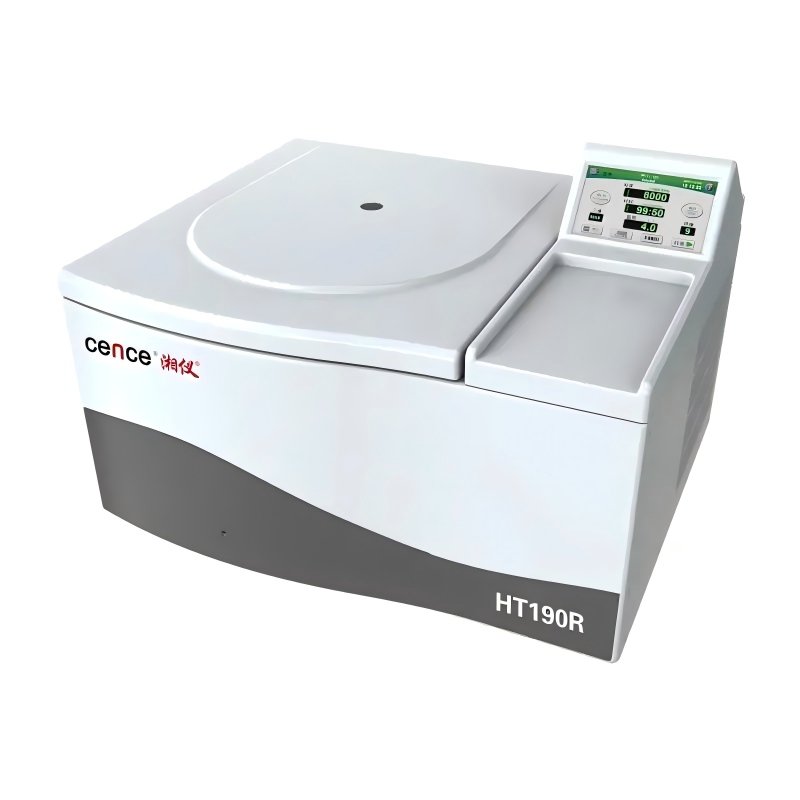
The Role of RCF and Rotor Design in Centrifugation Performance
Maximum RPM is one of the easiest centrifuge specifications to compare, but it does not fully describe centrifugation performance. What matters to the sample is the centrifugal force generated by the rotor under the selected operating conditions.
RCF, or relative centrifugal force, takes rotor radius into account. As a result, two centrifuges running at the same rotational speed can produce different RCF values if their rotor geometries are different. When a laboratory protocol specifies RCF, that value should therefore be used as the reference when determining the appropriate centrifugation conditions.
This is particularly relevant when evaluating a high speed refrigerated centrifuge machine. A machine may have a high maximum speed, but the actual RCF available depends on the rotor being used. The rotor's maximum permitted speed and corresponding RCF should be checked together rather than evaluating the centrifuge from its headline RPM alone.
Rotor design also affects how the sample behaves during centrifugation. Tube angle, position, capacity, and geometry influence the path taken by particles and the location of separated material. Fixed-angle rotors and swing-out rotors, for example, serve different purposes and should be selected according to the application.
Tube compatibility is closely connected to rotor selection. A laboratory may work with different tube sizes or sample containers, and the selected rotor must accommodate those formats within the manufacturer's specified operating limits. Adapters can provide additional flexibility when supported, but they should always be used according to the equipment manufacturer's requirements.
| Factor | Why It Matters | What to Check |
|---|
| Rotational speed | Determines how quickly the rotor turns and contributes to centrifugal force | Whether the available speed range supports the application |
| RCF | Describes the relative centrifugal force experienced by the sample | Whether the required RCF can be achieved with the selected rotor |
| Rotor design | Influences tube positioning, separation behavior, and capacity | Whether the rotor matches the sample and protocol |
| Cooling system | Helps manage heat generated during centrifugation | Temperature range and expected performance under actual operating conditions |
| Tube compatibility | Determines which sample containers can be processed | Supported tube sizes, adapters, and operating limits |
| Capacity | Affects the number of samples processed per cycle | Whether capacity matches the laboratory's typical workload |
The relationship between these factors explains why a high speed cooling centrifuge should be evaluated as a complete system. Speed determines the rotational conditions, rotor geometry influences the resulting RCF and sample positioning, and refrigeration helps control the thermal environment created during operation.
Maintaining Sample Integrity Under Controlled Temperature Conditions
In many laboratory workflows, centrifugation is only a preparation step. The separated material may subsequently be analyzed, purified, amplified, cultured, or used in another experimental procedure. Maintaining appropriate sample conditions throughout centrifugation is therefore an important part of the process.
A high speed refrigerated centrifuge machine can be particularly useful when temperature needs to remain controlled during centrifugation. Biological materials such as proteins, enzymes, cell fractions, and other temperature-sensitive samples may require specific thermal conditions defined by the relevant laboratory protocol.
It is important, however, not to assume that colder is always better. Different samples have different requirements, and the appropriate temperature should come from the validated procedure or application-specific guidance. The purpose of refrigeration is to help maintain the required condition, not to impose a universally low temperature on every sample.
Run duration also changes the thermal picture. A high-speed cycle completed quickly may have different temperature characteristics from a longer cycle performed at a lower speed. When evaluating equipment, laboratories should therefore consider the complete combination of speed, RCF, duration, starting temperature, and sample load.
Sample loading contributes to consistency as well. Tubes should be balanced according to the rotor manufacturer's instructions, and only compatible containers should be used. Proper balancing reduces mechanical stress and helps create predictable operating conditions during the run.
For temperature-sensitive applications, pre-cooling may also be appropriate when required by the protocol. Bringing the rotor and chamber toward the desired operating condition before centrifugation can reduce the thermal difference that the refrigeration system needs to manage once high-speed operation begins.
These practices complement the capabilities of a high speed cooling centrifuge. The machine provides the controlled environment, while correct preparation and operating procedures help ensure that the sample actually benefits from that environment.
Balancing Speed, RCF, and Temperature for Different Applications
Different centrifugation applications call for different combinations of speed and temperature control. There is no universal setting that can be described as the best choice for every sample.
For routine separation involving relatively temperature-tolerant materials, centrifugal force and processing efficiency may receive the most attention. In such cases, the laboratory may primarily need a suitable RCF range and rotor configuration, with refrigeration providing additional control when operating conditions generate significant heat.
For temperature-sensitive biological samples, the priorities can be different. A high speed refrigerated centrifuge machine can provide the required centrifugal force while helping maintain a controlled thermal environment. The appropriate speed and temperature should still be established from the specific protocol rather than selected solely from the centrifuge's maximum capabilities.
Extended centrifugation presents another consideration. When a process takes longer, maintaining a stable thermal environment becomes increasingly relevant. A refrigeration system that can respond to heat generated during operation can help support more consistent sample conditions over the complete cycle.
| Application Situation | Primary Priority | Temperature Consideration |
|---|
| Routine sample separation | Appropriate RCF and efficient processing | Cooling needs depend on sample sensitivity and run conditions |
| Temperature-sensitive biological samples | Controlled centrifugal force and repeatable operation | Temperature stability becomes a major selection factor |
| High-speed concentration | Strong centrifugal force and suitable rotor configuration | Heat generated during high-speed operation should be managed |
| Longer centrifugation cycles | Stable centrifugal conditions throughout the run | Consistent thermal control becomes increasingly important |
There is also a practical relationship between speed and operating time. If a protocol allows equivalent separation through different combinations of RCF and duration, the laboratory may need to consider not only how quickly the sample separates but also how the chosen conditions affect temperature.
This is why the selection of a high speed cooling centrifuge should begin with the application rather than the specification sheet. Once the required RCF, sample volume, rotor type, temperature range, and expected workload are known, the relevant equipment specifications become much easier to evaluate.
For laboratories reviewing centrifugation solutions, Cence approaches equipment selection from this application-oriented perspective. The objective is to connect centrifuge performance with actual laboratory requirements instead of treating speed, cooling, and capacity as independent features.
Conclusion
A high speed refrigerated centrifuge machine has to solve two problems at the same time: it needs to generate sufficient centrifugal force for efficient separation while controlling the heat associated with high-speed operation. This balance becomes especially important when the processed material is sensitive to temperature or when centrifugation cycles are relatively demanding.
Maximum RPM provides only part of the picture. RCF gives a more meaningful indication of centrifugal force, while rotor design determines how that force is applied to the sample. At the same time, refrigeration helps manage the thermal environment created during centrifugation. Tube compatibility, sample volume, cycle duration, and loading practices complete the practical picture.
For laboratories choosing a high speed cooling centrifuge, the most reliable approach is to define the application first and then evaluate speed, RCF, rotor configuration, temperature control, and capacity against those requirements. This prevents the selection process from becoming a simple race toward the highest speed or lowest temperature.
When the application involves specific sample types or demanding temperature requirements, discussing the intended workflow before purchasing can also help identify the appropriate configuration. Laboratories can contact Cence to discuss centrifuge requirements, including sample characteristics, operating conditions, rotor needs, and expected workload.
FAQ
1. What is a high speed refrigerated centrifuge machine?
A high speed refrigerated centrifuge machine combines high-speed centrifugation with an integrated refrigeration system. It is designed for applications that require substantial centrifugal force while maintaining controlled temperature conditions.
2. Why does high-speed centrifugation generate heat?
Heat can be generated through mechanical friction and resistance during rapid rotor operation. The amount varies with factors such as rotor design, speed, run duration, load, and ambient conditions.
3. Why is RCF important when choosing a centrifuge?
RCF describes the relative centrifugal force applied to a sample and accounts for rotor radius. It is therefore more informative than RPM alone when comparing centrifugation conditions.
4. What does the refrigeration system do in a high speed cooling centrifuge?
The refrigeration system helps manage heat generated during centrifugation and supports the temperature conditions required by the application. Actual performance depends on the specific model, rotor, load, and operating conditions.
5. Does a higher centrifuge speed always provide better separation?
No. The appropriate speed depends on the required RCF, sample characteristics, rotor configuration, and centrifugation protocol. Excessive speed may provide no practical benefit for a particular application.
6. How should I choose a high speed refrigerated centrifuge machine?
Evaluate the required RCF and speed range, temperature requirements, rotor configuration, tube compatibility, sample volume, capacity, cycle duration, and workload. These factors should be considered together rather than selecting equipment based on maximum speed alone.
 English
 한국어
 français
 Deutsch
 Español
 italiano
 русский
 português
 العربية
 tiếng việt
 Indonesia