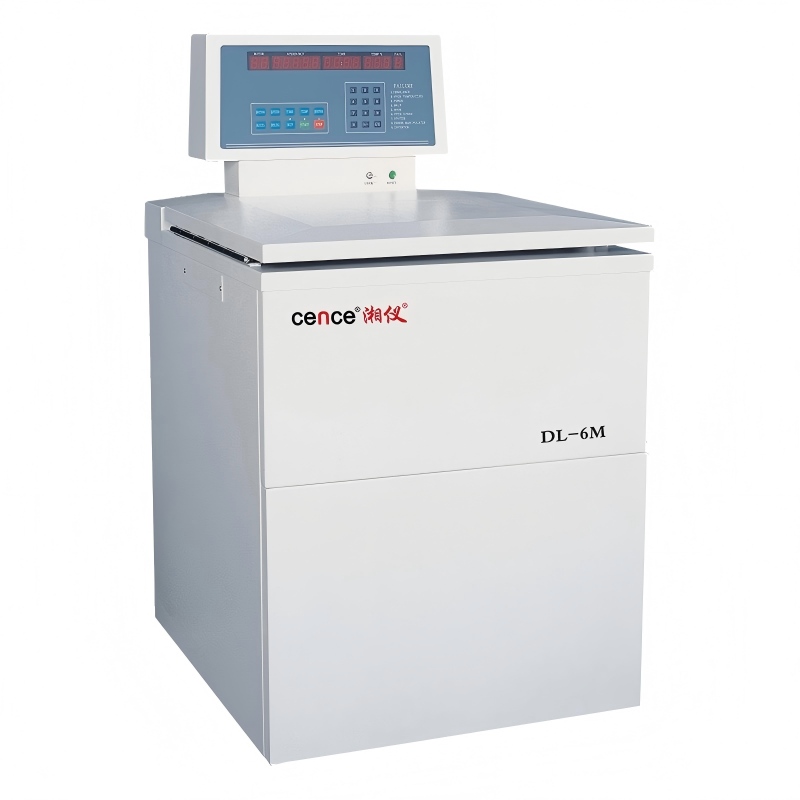
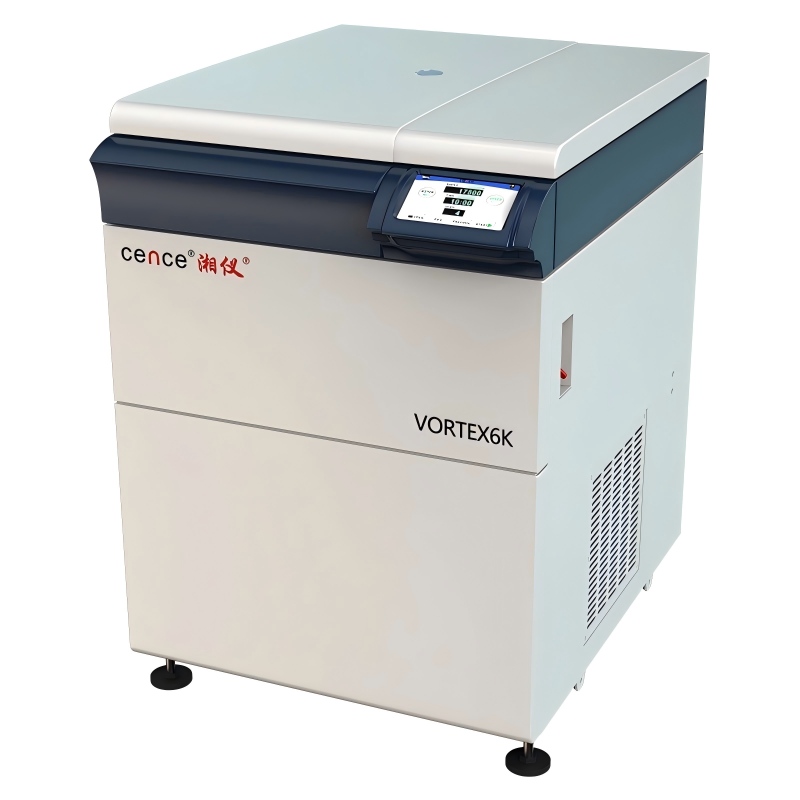
Selecting a laboratory centrifuge is not simply about choosing the model with the highest speed or the largest rotor. For many laboratories, the real challenge is finding the right balance between processing efficiency, separation requirements, sample characteristics, and long-term workflow needs.
Some facilities handle hundreds of samples every day and need equipment that can improve productivity by reducing repeated centrifugation cycles. Others work with specialized samples where separation accuracy and centrifugal force have a greater impact on experimental results.
Before investing in new equipment, laboratory managers should evaluate how samples are processed, how often the centrifuge is used, and what performance factors directly affect daily operations. CenceLab provides centrifuge solutions for clinical, research, and industrial applications, helping laboratories select equipment based on actual workflow requirements rather than a single specification.
Do You Need to Process More Samples or Reach Higher Centrifugal Forces?
The first step in centrifuge selection is identifying the main limitation in your current workflow. If the laboratory spends most of its time loading, unloading, and repeating centrifugation cycles, increasing sample capacity may create a greater improvement than increasing speed.
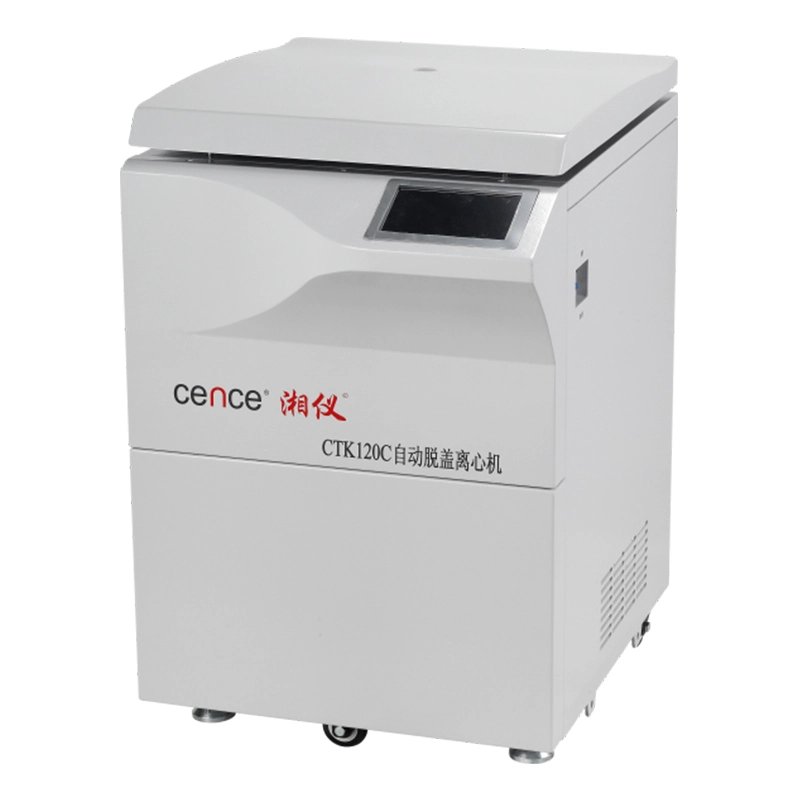
A high capacity centrifuge is designed for situations where laboratories need to handle larger sample volumes efficiently. By accommodating more tubes or containers in one run, it can help reduce processing interruptions and improve overall laboratory productivity.
For workflows that involve demanding separation tasks, the priority may shift toward centrifugal performance. Applications requiring precise separation of small particles, biological components, or research samples often depend on stronger centrifugal force and accurate speed control.
Choosing the right centrifuge therefore requires understanding whether the laboratory’s primary goal is higher throughput, improved separation capability, or a combination of both. The most advanced specification is not always the most suitable solution if it does not match the application.
When Does a High Capacity Centrifuge Make More Sense for Your Workflow?
Large-volume sample processing is one of the most common reasons laboratories choose a high capacity centrifuge. In environments such as clinical testing centers, pharmaceutical quality control departments, and research facilities with routine sample preparation, efficiency often depends on how many samples can be completed within each operating cycle.
For example, laboratories processing blood samples or other standardized materials may not require extremely high rotational speeds for every procedure. Instead, their main concern is maintaining a stable workflow while managing increasing sample numbers.
A larger rotor configuration allows operators to process more samples simultaneously, which can reduce manual handling time and improve scheduling flexibility. Over the course of daily operations, fewer centrifuge cycles can also simplify workload management and reduce unnecessary equipment usage.
When selecting equipment for high-volume applications, laboratories should consider not only maximum tube capacity but also rotor compatibility, sample balance requirements, temperature control options, and ease of operation. These factors influence whether the centrifuge can deliver consistent performance in real working conditions.
When Is Higher Speed More Important Than Larger Sample Capacity?
Some laboratory applications require more than efficient sample handling. They depend on achieving precise separation results, especially when working with materials that have small differences in size or density.
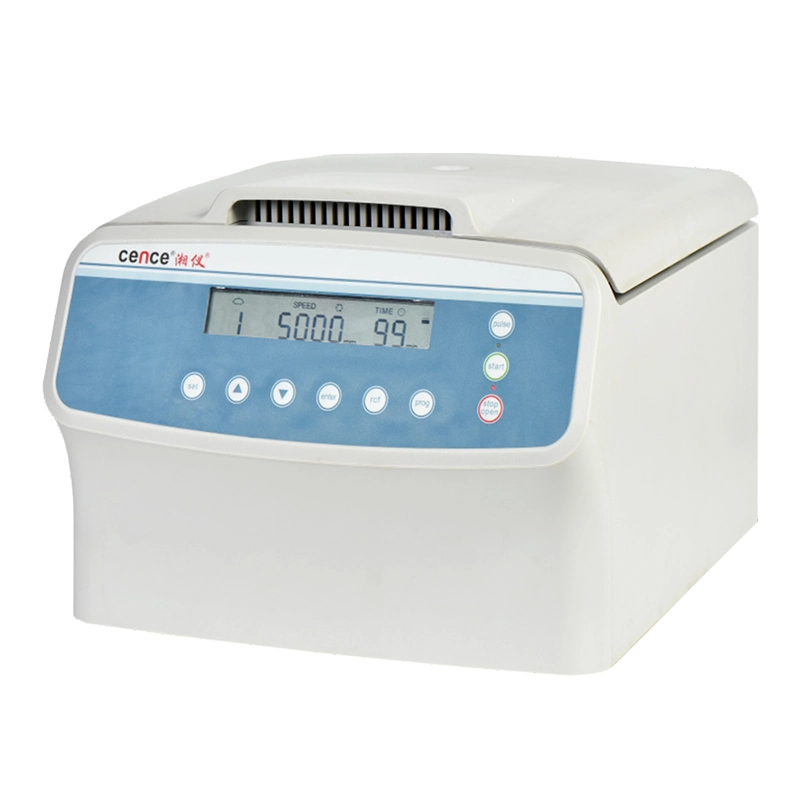
A high RPM centrifuge is commonly used in research environments where stronger centrifugal forces are necessary. Molecular biology, biotechnology, and advanced analytical applications may require higher rotational speeds to achieve effective separation and improve sample recovery.
However, higher speed should always be considered together with rotor design and sample properties. Running samples at maximum speed does not automatically guarantee better results. The correct operating parameters depend on the material being separated and the purpose of the centrifugation process.
Laboratories should also consider whether their applications require frequent high-speed operation or only occasional advanced separation. This evaluation helps avoid selecting equipment with unnecessary capabilities while ensuring that critical procedures can be completed reliably.
How Do Rotor Design and Sample Volume Change the Balance Between Capacity and Speed?
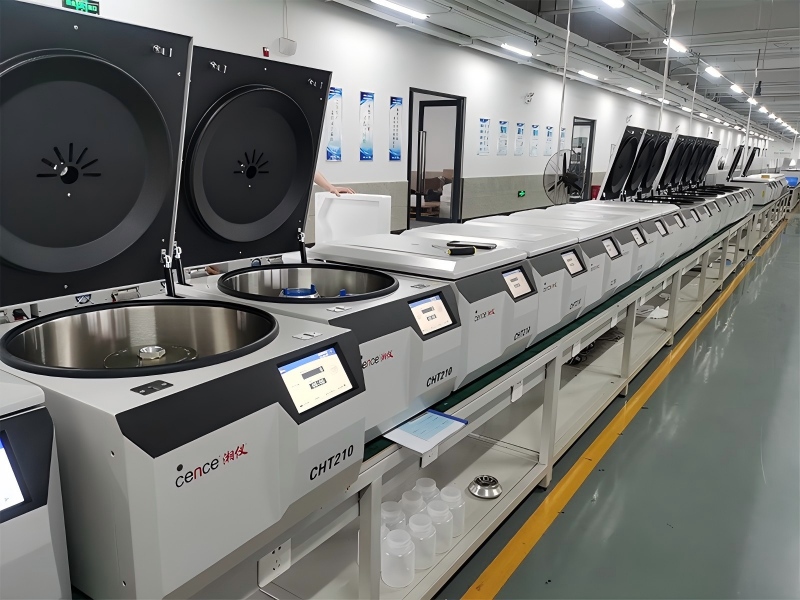
Rotor selection has a direct influence on centrifuge performance. The rotor determines how many samples can be processed, what types of containers can be used, and how efficiently centrifugal force is transferred to the sample.
Large-capacity rotors are often preferred when laboratories need to maximize sample throughput. Swing-out rotors, for example, can support higher sample volumes and are commonly used when gentle separation and larger tube capacity are important.
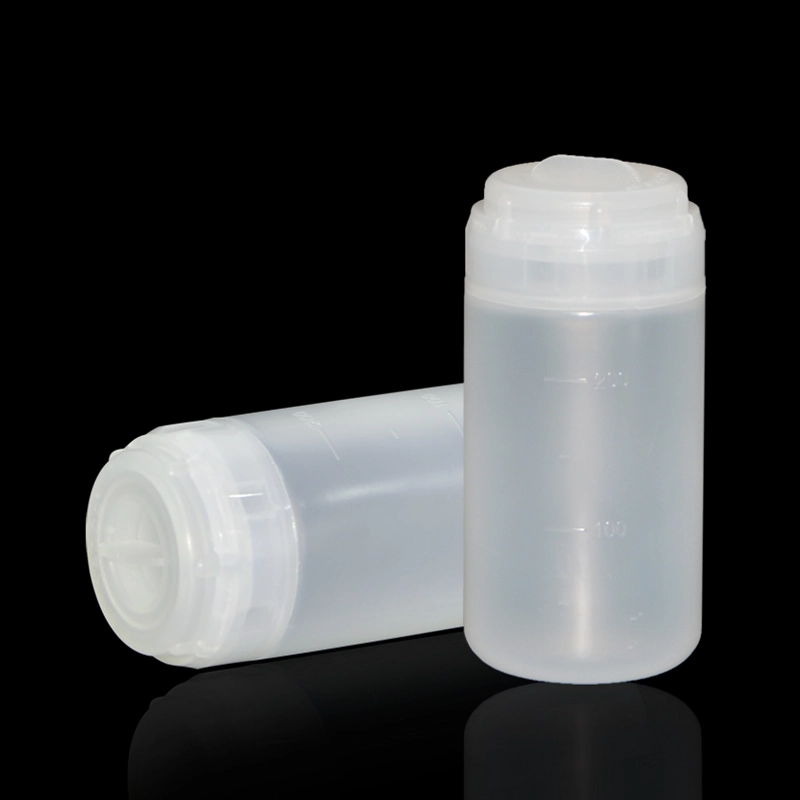
For applications where separation performance is the main concern, fixed-angle rotors are frequently selected because they are designed for efficient particle pelleting and higher-speed operation. The relationship between rotor structure and operating speed is therefore a key consideration during equipment selection.
A laboratory should evaluate expected sample volume before choosing a centrifuge. A system that performs well for small research batches may not be efficient for routine high-volume testing, while a larger system may not provide the precision required for specialized applications.
Capacity vs Speed: What Should Buyers Consider Before Purchasing?
| Purchasing Consideration | When Capacity Is the Priority | When Speed Is the Priority |
|---|
| Main Laboratory Challenge | Too many samples require repeated processing cycles | Samples require stronger separation performance |
| Key Performance Goal | Improve daily throughput and reduce processing time | Achieve accurate separation for specialized applications |
| Typical Application Environment | Clinical laboratories, testing facilities, routine sample preparation | Research laboratories, biotechnology, advanced analysis |
| Important Equipment Feature | Rotor volume, tube compatibility, operational efficiency | Speed control, rotor performance, centrifugal force management |
| Buyer Question | How many samples need to be completed in each cycle? | What separation performance is required for reliable results? |
| Long-Term Consideration | Can the system support increasing sample workload? | Can the system meet future research or testing requirements? |
For many buyers, the final decision is not about choosing one specification over another. It is about understanding which performance factor creates the greatest value for the laboratory’s daily operation.
What Matters More for Your Lab: Throughput, Separation Performance, or Both?
Different laboratories measure centrifuge performance in different ways. A clinical laboratory may focus on completing more samples within a working day, while a research laboratory may prioritize repeatable separation results.
Throughput becomes especially important when sample volume continues to increase. In these cases, improving capacity can directly reduce operator workload and make laboratory processes more predictable.
Separation performance becomes more important when sample quality depends on precise centrifugation conditions. Researchers and specialized testing laboratories often need greater control over speed, acceleration, and operating parameters.
CenceLab designs centrifuge equipment for different application requirements, allowing laboratories to evaluate available configurations according to workflow demands. Reviewing suitable models through CenceLab’s centrifuge products can help users compare options based on capacity, performance, and application compatibility.
How Should You Choose a Centrifuge When Both Capacity and Speed Matter?
Some laboratories cannot define their needs as purely high-volume or high-performance because their workload changes throughout the year. In these situations, flexibility becomes an important factor during purchasing decisions.
A centrifuge with adaptable rotor options, adjustable operating programs, and reliable control systems can support multiple applications without requiring separate equipment for every task. This approach is particularly valuable for laboratories that handle both routine preparation and occasional specialized procedures.
Before making a final decision, buyers should review sample types, average daily workload, future expansion plans, and maintenance expectations. These practical considerations often determine the long-term value of the equipment more than maximum specifications alone.
For laboratories with specific application requirements, CenceLab’s technical specialists can help evaluate suitable centrifuge configurations and provide guidance based on sample characteristics and workflow conditions. Users can contact the team through the CenceLab contact page for further discussion.
Conclusion
The choice between a high capacity centrifuge and a high rpm centrifuge depends on the laboratory’s actual priorities. Facilities handling large numbers of routine samples may benefit from improved processing efficiency, while research-focused environments may require stronger separation performance.
Capacity and speed are not competing features but different solutions for different laboratory challenges. By evaluating sample volume, rotor design, separation requirements, and future workflow needs, laboratories can select centrifuge equipment that delivers reliable performance over the long term.
A careful selection process helps ensure that the centrifuge supports daily operations effectively while providing the flexibility needed as laboratory requirements continue to develop.
FAQ
1. What should I consider first when choosing a laboratory centrifuge?
Start with your sample type, daily workload, required separation performance, and whether your priority is higher throughput or more precise separation.
2. Is a larger centrifuge always better for busy laboratories?
Not always. Larger capacity is useful for high-volume workflows, but some applications require specialized performance rather than more sample space.
3. Does higher rpm always mean better centrifuge results?
No. Effective separation depends on centrifugal force, rotor design, sample characteristics, and correct operating conditions.
4. Why does rotor design matter in centrifuge selection?
Rotor design affects sample capacity, speed capability, tube compatibility, and separation efficiency.
5. Can one centrifuge handle both routine and advanced applications?
Some centrifuge systems with flexible rotor options and adjustable settings can support a wider range of laboratory workflows.
6. How can I select the right centrifuge model for my laboratory?
Evaluate current applications, future workload, sample requirements, operating conditions, and available configuration options before purchasing.
 English
 한국어
 français
 Deutsch
 Español
 italiano
 русский
 português
 العربية
 tiếng việt
 Indonesia