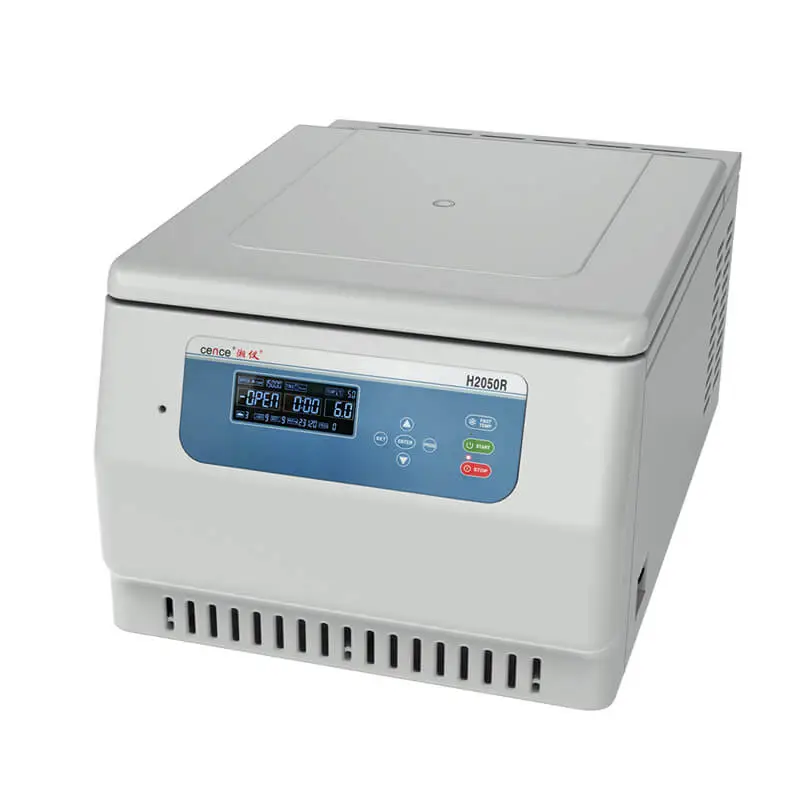
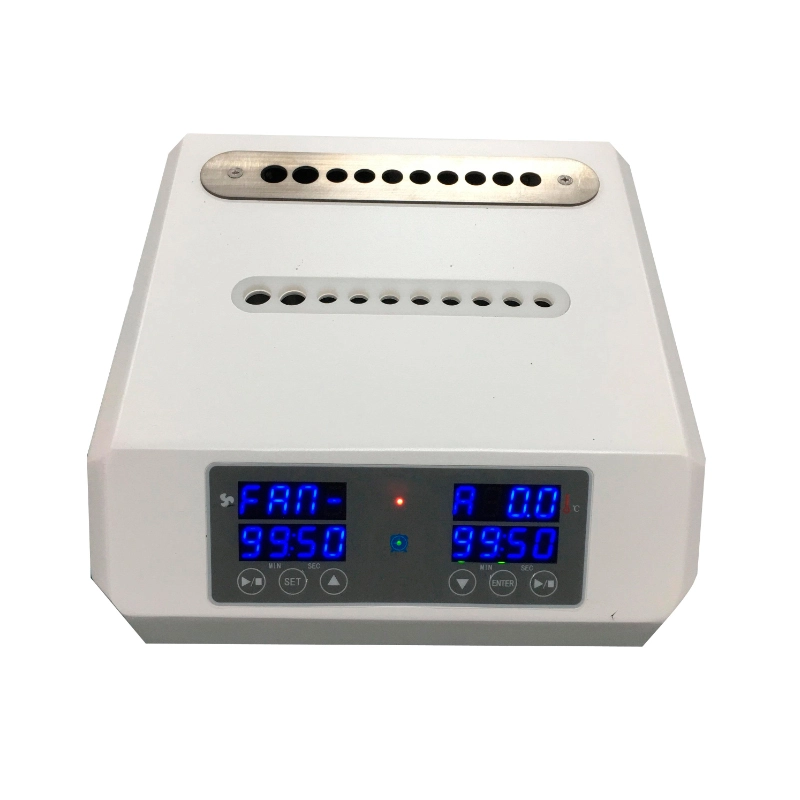
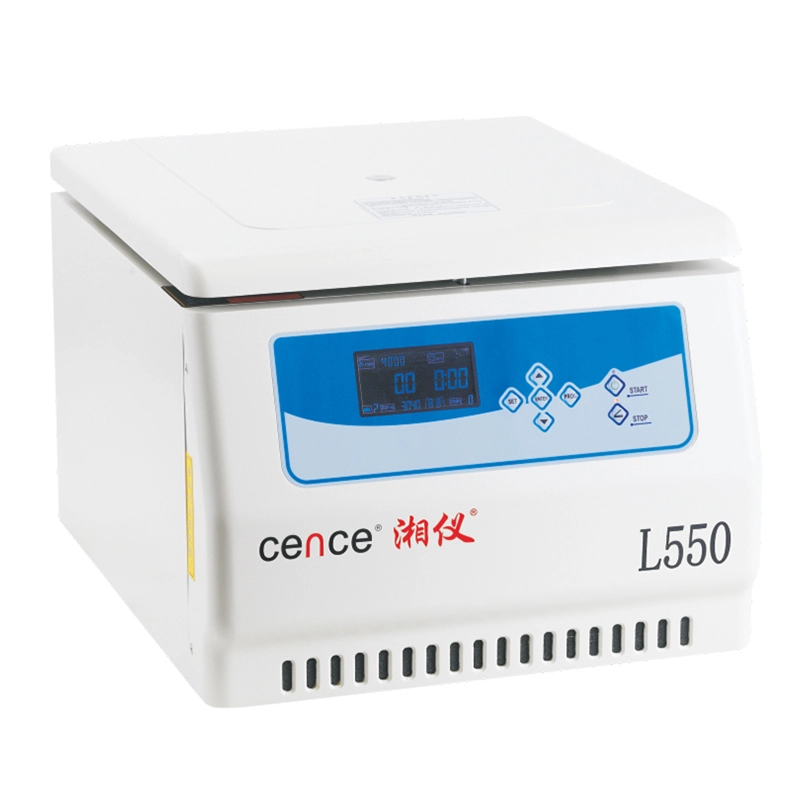
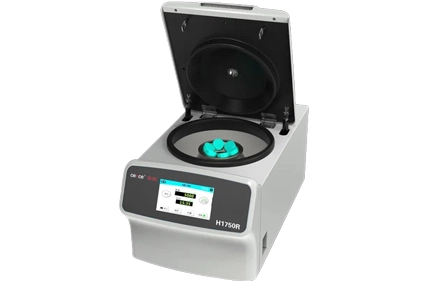
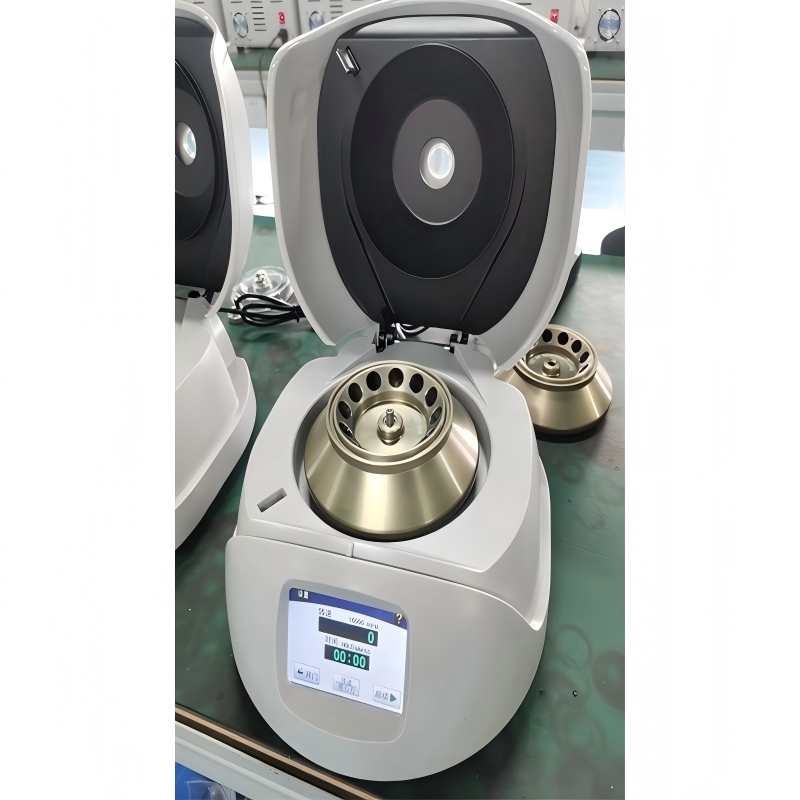
Scientific discoveries in biomedical and pharmaceutical fields often rely on one fundamental step: obtaining high-quality samples for accurate analysis. Whether researchers are studying cells, proteins, pharmaceuticals, or other biological materials, the separation process must be fast, precise, and carefully controlled. This is why the high speed refrigerated centrifuge has become an important part of advanced laboratory research.
High-speed centrifugation provides the force needed to separate complex sample components efficiently, while refrigeration technology helps maintain stable conditions during operation. By controlling temperature fluctuations and reducing the impact of heat generated during rotation, a high speed refrigerated centrifuge helps laboratories protect sample integrity and improve experimental consistency.
For research environments that require reliable performance within a limited workspace, a benchtop centrifuge offers a practical balance between compact design and advanced functionality. These systems are widely applied in biomedical laboratories, pharmaceutical testing facilities, and academic research centers where efficient sample processing is essential.
With continuous advances in laboratory technology, selecting the right centrifugation equipment has become a key factor in improving research efficiency and accuracy. Cencelab provides laboratory solutions that support diverse scientific applications, helping researchers achieve dependable results through optimized sample preparation and separation processes.
The Role of High Speed Refrigerated Centrifuges in Advanced Laboratory Research
Modern laboratories require centrifugation systems that can provide both speed and precision. A high speed refrigerated centrifuge meets these demands by combining powerful centrifugal force with temperature-controlled operation, allowing researchers to process sensitive samples under stable conditions.
During high-speed rotation, centrifugal force separates components based on differences in density. However, increased rotational speed can generate heat, which may affect biological activity, molecular stability, or sample quality. Refrigeration technology helps control this temperature rise, ensuring that samples remain within appropriate conditions throughout the centrifugation process.
In advanced research environments, a high speed refrigerated centrifuge supports a wide range of applications, including cell separation, protein purification, molecular biology experiments, and pharmaceutical sample preparation. By providing consistent operating conditions, these systems help researchers achieve more repeatable and reliable results.
Compared with larger floor-standing equipment, a benchtop centrifuge offers advantages in flexibility and space utilization. Its compact structure makes it suitable for laboratories that need efficient sample processing while maintaining limited workspace requirements. Many research facilities use benchtop systems for daily experiments, preliminary studies, and routine laboratory procedures.
For laboratories evaluating centrifugation solutions, exploring Cencelab’s laboratory equipment and centrifugation products can help researchers identify suitable options based on sample requirements, performance expectations, and workflow needs.
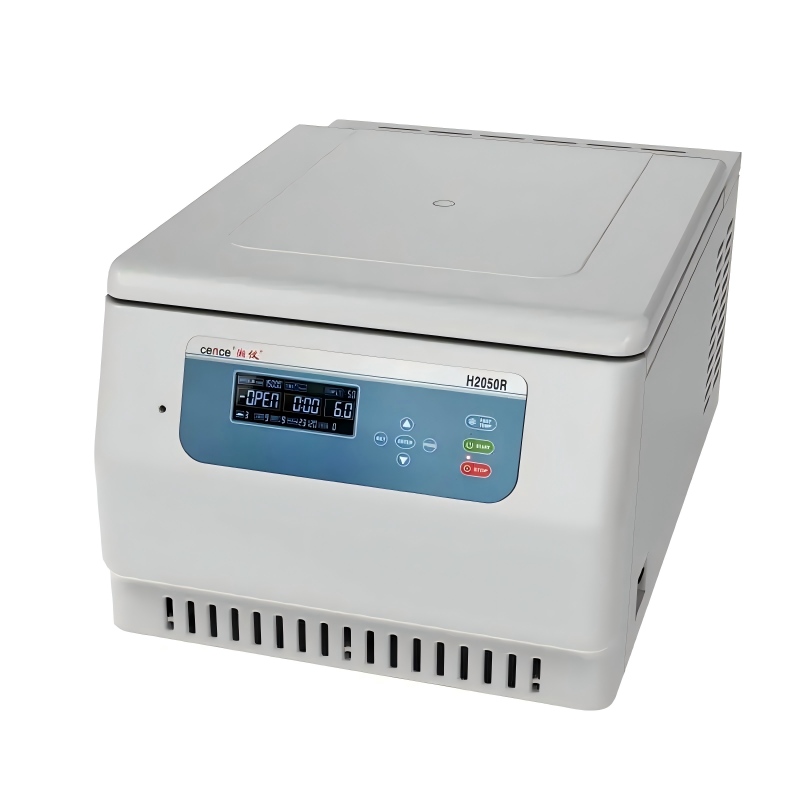
Precision Sample Separation Applications in Biomedical and Life Science Research
Biomedical research frequently involves complex samples containing cells, organelles, proteins, nucleic acids, and other biological components. Accurate separation is essential because sample quality directly influences downstream analysis and research conclusions.
A high speed refrigerated centrifuge provides researchers with precise control over separation conditions. By combining high rotational performance with temperature management, it helps protect sensitive biological materials during processing.
Common biomedical applications include cell harvesting, plasma preparation, subcellular fractionation, and sample preparation for molecular analysis. These procedures often require stable operating conditions because biological components can be affected by temperature changes or excessive mechanical stress.
A benchtop centrifuge is particularly useful in biomedical laboratories that require efficient processing without the need for large equipment. It provides convenient operation for applications such as sample clarification, micro-volume preparation, and routine research workflows.
The ability to adjust centrifugation parameters, including speed and temperature, allows researchers to optimize conditions for different sample types. This flexibility improves experimental reliability and supports a broader range of life science research applications.
How Refrigerated Centrifugation Supports Pharmaceutical Development and Analysis
Pharmaceutical research requires strict control over sample handling because changes in environmental conditions can influence formulation characteristics, analytical accuracy, and development outcomes. A high speed refrigerated centrifuge provides the controlled environment needed for many pharmaceutical applications.
During drug development and quality testing, centrifugation may be used for sample preparation, formulation analysis, particle separation, and laboratory evaluation procedures. Maintaining stable temperatures helps preserve sample properties and supports consistent analytical results.
A reliable high speed refrigerated centrifuge can improve laboratory efficiency by reducing variability caused by uncontrolled temperature changes. This is particularly important when researchers work with temperature-sensitive compounds or biological materials used in pharmaceutical development.
A benchtop centrifuge also plays an important role in pharmaceutical laboratories by providing a compact solution for daily testing requirements. It allows researchers to perform essential centrifugation tasks while optimizing laboratory space and operational convenience.
| Application Field | Main Centrifugation Requirements | Benefits of High Speed Refrigerated Centrifuges |
|---|
| Biomedical research | Precise separation of cells, proteins, and biological components | Improves sample stability and separation consistency |
| Pharmaceutical development | Controlled sample preparation and analytical testing | Maintains reliable conditions during processing |
| Clinical laboratory testing | Fast and repeatable biological sample separation | Supports efficient laboratory workflows |
| Academic research | Flexible equipment for different experimental needs | Provides convenient and reliable operation |
Temperature-Controlled Centrifugation for Protecting Sensitive Biological Samples
Temperature management is one of the most important advantages of a high speed refrigerated centrifuge. Many biological materials, including proteins, enzymes, cells, and other molecular components, require controlled conditions to maintain their original characteristics.
During high-speed centrifugation, mechanical energy can produce heat that may influence sample performance. Without proper cooling, sensitive samples may experience unwanted changes that affect experimental accuracy.
A refrigerated centrifuge helps minimize these risks by maintaining a stable internal temperature during operation. This allows researchers to perform separation procedures while protecting sample quality and improving reliability.
For laboratories requiring compact solutions, a refrigerated benchtop centrifuge provides an effective option for maintaining temperature control without occupying significant laboratory space. It combines convenience with the performance required for many biomedical and pharmaceutical workflows.
Performance Advantages That Enable Reliable High Speed Centrifuge Operations
The performance of a high speed refrigerated centrifuge depends on several factors, including rotational stability, cooling capability, operational control, and equipment durability.
High-speed operation allows laboratories to complete separation procedures efficiently, reducing processing time while maintaining accuracy. At the same time, refrigeration systems help preserve sample conditions throughout centrifugation.
Modern centrifugation systems often include features designed to improve user experience, such as programmable settings, stable rotor performance, and safety protection functions. These features allow researchers to achieve consistent results while simplifying laboratory operation.
A benchtop centrifuge provides additional flexibility because it can be installed in different laboratory environments. Its compact design makes it suitable for research institutions, medical laboratories, universities, and pharmaceutical facilities that require dependable centrifugation performance.
When choosing centrifugation equipment, laboratories should consider sample volume, required speed range, temperature requirements, and application frequency. Proper equipment selection helps maximize performance and supports long-term laboratory efficiency.
Expanding Research Capabilities with Advanced High Speed Refrigerated Centrifuge Technology
As biomedical and pharmaceutical research continues to advance, laboratories need equipment capable of supporting increasingly complex experimental requirements. The high speed refrigerated centrifuge provides researchers with a powerful combination of speed, precision, and temperature control.
Advanced centrifugation technology enables laboratories to improve sample preparation processes, enhance research efficiency, and maintain higher levels of experimental consistency. Whether used for molecular studies, pharmaceutical analysis, or biological research, refrigerated centrifuges provide valuable support for modern scientific workflows.
The development of compact systems such as the benchtop centrifuge has further expanded access to advanced centrifugation technology. Smaller laboratories can now perform sophisticated separation procedures while benefiting from space-saving equipment designs.
Cencelab continues to support laboratory professionals by providing reliable solutions designed for research accuracy and operational efficiency. Laboratories seeking assistance with equipment selection, application requirements, or centrifugation solutions can contact Cencelab’s laboratory specialists for professional equipment guidance.
Conclusion
The high speed refrigerated centrifuge plays an essential role in biomedical and pharmaceutical research by combining powerful separation capability with precise temperature control. This technology enables laboratories to process sensitive samples efficiently while maintaining stability and reliability.
From biological sample preparation and molecular research to pharmaceutical development and laboratory analysis, refrigerated centrifugation provides the performance required for modern scientific applications. Meanwhile, the benchtop centrifuge offers laboratories a flexible and space-efficient solution for routine and advanced workflows.
By selecting appropriate centrifugation equipment based on research needs, laboratories can improve productivity, protect valuable samples, and achieve more consistent experimental results. Cencelab supports these goals with laboratory solutions designed to meet the evolving demands of scientific research.
FAQ
1. What is a high speed refrigerated centrifuge used for?
A high speed refrigerated centrifuge is used for rapid sample separation while maintaining controlled temperatures to protect sensitive biological and pharmaceutical samples.
2. Why is refrigeration important in centrifugation?
Refrigeration helps reduce heat-related sample changes and maintains stable conditions during high-speed operation.
3. What are common applications of a benchtop centrifuge?
A benchtop centrifuge is commonly used for biomedical research, clinical testing, pharmaceutical analysis, and academic laboratory procedures.
4. How does a high speed refrigerated centrifuge improve sample quality?
It improves sample quality by providing controlled temperature conditions and consistent centrifugal force during separation.
5. Can a benchtop centrifuge support advanced research applications?
Yes. Many modern benchtop centrifuge systems are designed for advanced laboratory workflows requiring accurate and reliable separation.
6. What factors should be considered when selecting a refrigerated centrifuge?
Laboratories should consider sample type, required speed, temperature control needs, capacity, and intended application before choosing equipment.
 English
 한국어
 français
 Deutsch
 Español
 italiano
 русский
 português
 العربية
 tiếng việt
 Indonesia