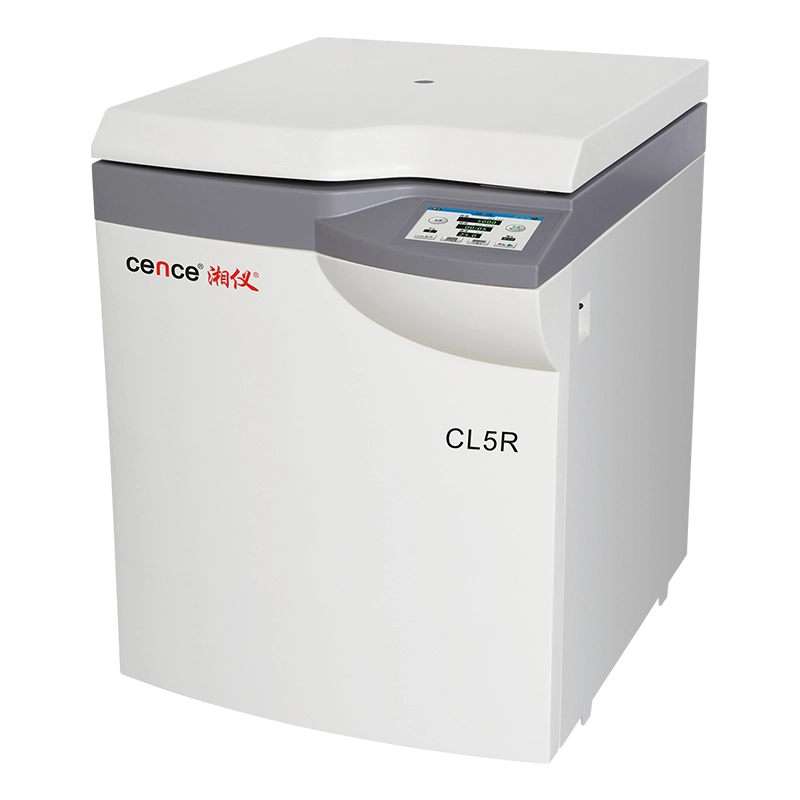
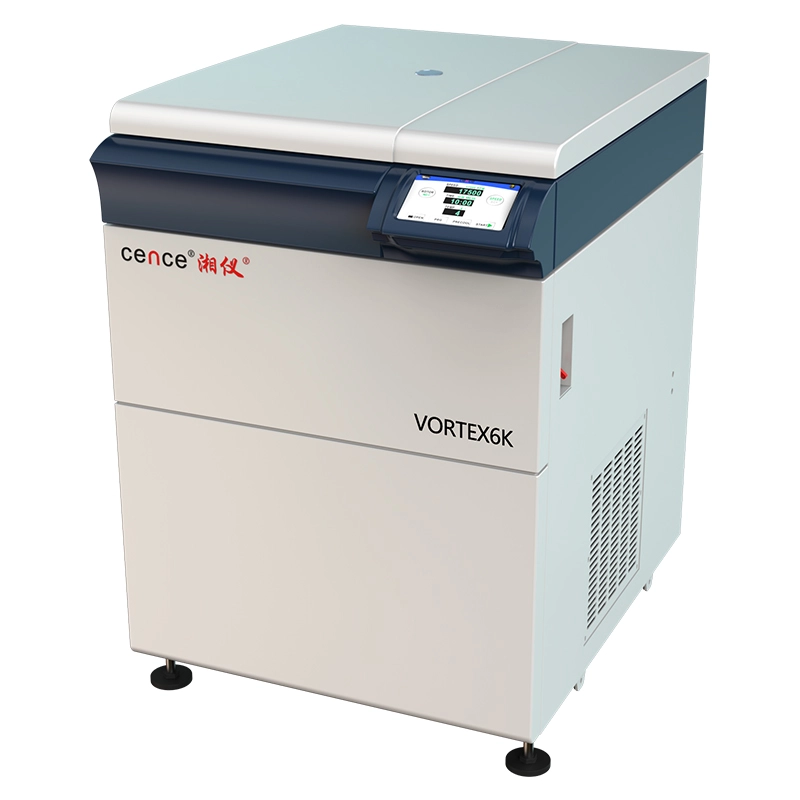
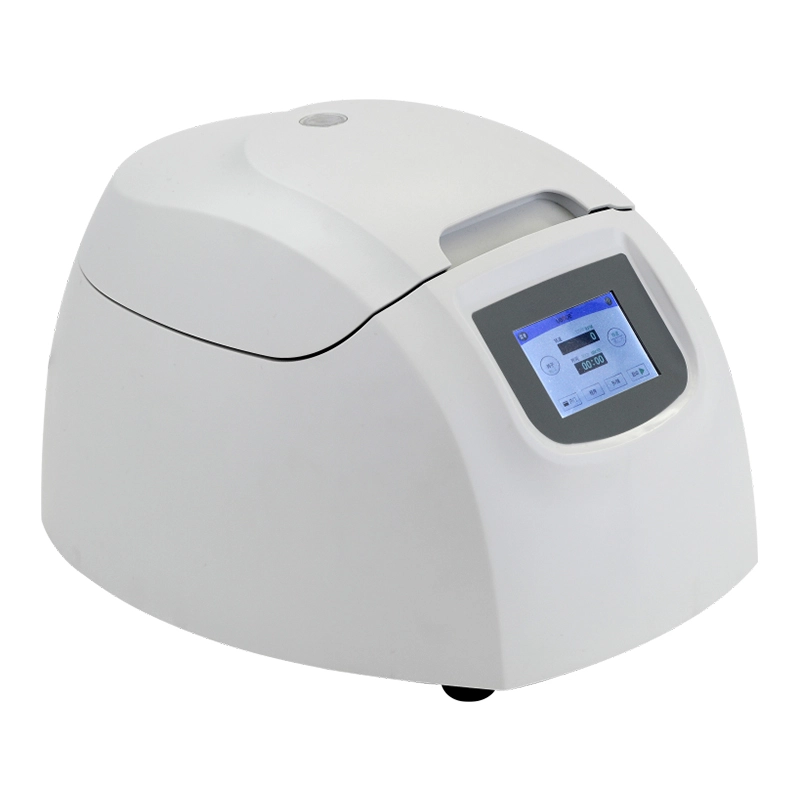
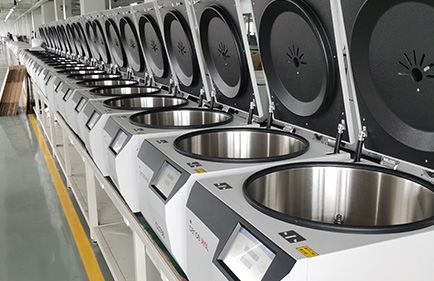
In blood component processing, the centrifuge does more than simply rotate a sample at a selected speed. The way a blood bag is positioned, supported, and exposed to centrifugal force can influence how effectively the blood separates into its different components. For this reason, rotor design is one of the most important factors to consider when selecting equipment for blood processing.
A blood bag centrifuge machine is built around a different set of requirements from a conventional laboratory centrifuge. Blood bags are flexible containers rather than rigid tubes, and their size, shape, weight distribution, and filling volume can vary. The rotor therefore needs to provide appropriate support while maintaining a stable configuration throughout centrifugation.
This is particularly relevant when a centrifuge is used for plasma separation. A suitable centrifuge for plasma separation needs to deliver the required centrifugal conditions while accommodating the blood bags correctly. Rotor radius, bucket configuration, balancing, bag positioning, and capacity all contribute to the final processing result.
Understanding how these factors interact can help blood processing laboratories evaluate centrifuge equipment more effectively. Rather than focusing only on maximum speed, it is more useful to consider whether the complete rotor system is appropriate for the bags, the required RCF, and the intended component separation workflow.
How Rotor Configuration Shapes Blood Component Separation
The rotor is the part of the centrifuge that directly determines how blood bags are positioned during operation. Its geometry affects the movement of the sample under centrifugal force and therefore has a direct relationship with the separation process.
For blood processing, rotor configuration needs to accommodate containers that are considerably different from the small rigid tubes commonly used in laboratory centrifugation. Blood bags require adequate space and support, and the rotor or bucket should hold them securely without creating unnecessary deformation or uneven loading.
A swing-out rotor is often relevant to workflows in which bags need to remain in a controlled position while the rotor accelerates and rotates. As the rotor reaches operating conditions, the buckets move outward, allowing the bags to occupy a more horizontal orientation. The exact configuration and suitability depend on the centrifuge model, bucket design, bag type, and processing protocol.
Rotor geometry can also affect the available RCF. A larger effective rotor radius can produce greater centrifugal force at a given rotational speed, while the rotor's maximum allowable speed places an upper limit on its operating conditions. This makes rotor selection inseparable from performance evaluation.
For a blood bag centrifuge machine, the rotor is therefore not simply an accessory. It is a central part of the sample-processing system, connecting the blood bag format with centrifugal force, capacity, and separation behavior.
Matching Rotor Buckets and Blood Bags to the Processing Setup
Blood bags are available in different configurations, and their dimensions and filling characteristics need to be considered when selecting centrifuge equipment. A bucket that is suitable for one type of bag may not provide the same fit for another.
The relationship between the blood bag and bucket is important because the bag needs to remain properly supported during centrifugation. An unsuitable bucket can introduce unnecessary movement or uneven distribution of the sample. Correct compatibility also helps ensure that the bag remains within the operating conditions specified by the equipment manufacturer.
When evaluating a centrifuge for plasma separation, laboratories should therefore examine more than the centrifuge's main unit. The available buckets, adapters, and rotor configurations can determine which blood bags can actually be processed.
Capacity is another consideration. A rotor may technically accommodate several bags, but the practical workload depends on the size and weight of the bags, the bucket configuration, and the manufacturer's specified operating limits. Increasing the number of bags per run is useful only when the rotor can maintain appropriate balance and operating conditions.
This is one reason equipment specifications should be reviewed as a complete system. Cence's laboratory equipment product range provides a broader starting point for laboratories reviewing centrifugation solutions and other equipment according to their processing requirements.
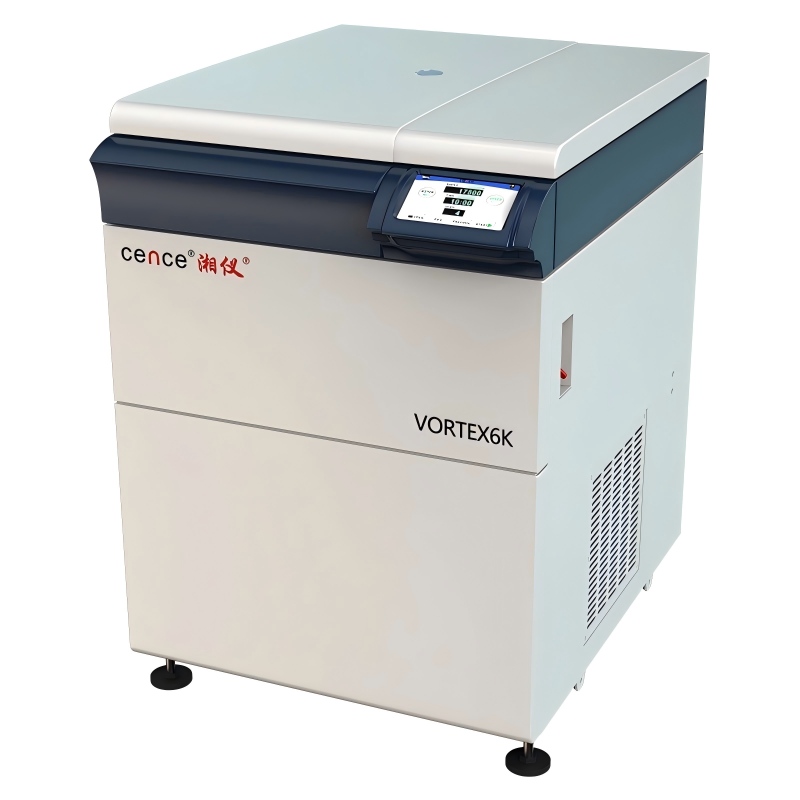
The Relationship Between Rotor Radius, RCF, and Separation Performance
Rotational speed is often the first specification people compare when looking at centrifuges, but RPM alone does not tell the complete story. The centrifugal force experienced by the blood sample also depends on the effective radius of the rotor.
RCF, or relative centrifugal force, is therefore an important parameter when evaluating a blood bag centrifuge machine. Two centrifuges operating at the same RPM can generate different RCF values if their rotor radii are different. Conversely, a centrifuge with a larger rotor radius may achieve a required centrifugal force without relying on the same rotational speed as a smaller rotor.
This distinction matters because blood component separation depends on controlled centrifugation conditions. The relevant RCF, operating time, temperature, bag configuration, and other process parameters should be established according to the applicable processing protocol rather than inferred from the maximum speed of the centrifuge.
Rotor radius also needs to be considered together with rotor strength and maximum permitted speed. A larger rotor is not automatically better. Its mechanical design, bucket construction, load capacity, and operating limits all determine how effectively it can be used for a particular application.
For a centrifuge for plasma separation, this means the rotor's RCF capability should be considered alongside its physical compatibility with the blood bags. A rotor that can generate the required force but cannot properly accommodate the bags is not a practical solution.
| Rotor-Related Factor | Effect on Processing | What to Evaluate |
|---|
| Rotor radius | Influences the RCF generated at a given rotational speed | Whether the rotor can achieve the required centrifugal conditions |
| Bucket design | Determines how blood bags are supported during centrifugation | Compatibility with the required bag dimensions and configuration |
| Rotor capacity | Determines how many bags can be processed in one cycle | Whether capacity matches the actual workload without compromising balance |
| Maximum allowable speed | Defines the operating limit of the rotor | Whether the permitted speed and RCF meet the processing protocol |
| Bag positioning | Affects sample distribution and mechanical stability | Whether bags remain appropriately supported throughout the run |
| Balance requirements | Influence smooth and stable rotor operation | Whether the loading procedure can be performed consistently |
The practical lesson is that rotor radius and speed should be evaluated together. Looking only at RPM can make two centrifuges appear similar when their actual centrifugal performance is quite different.
Why Blood Bag Positioning Matters During Centrifugation
Positioning becomes particularly important when the sample container is flexible. Unlike rigid tubes, blood bags can change shape depending on their contents and how they are supported. Their position within the bucket therefore needs to remain controlled during centrifugation.
For a blood bag centrifuge machine, proper positioning helps maintain predictable loading conditions. If bags are not arranged consistently, the distribution of mass may vary between runs, which can affect rotor balance and create differences in the processing environment.
Correct positioning also relates to the way blood components settle during centrifugation. The objective is to establish conditions under which the relevant components can separate according to the laboratory's validated process. The rotor and bucket should support that process without introducing unnecessary movement or mechanical interference.
Balancing is equally important. Blood bags processed in opposing rotor positions should be matched according to the manufacturer's instructions, taking into account the appropriate loading method and weight requirements. The exact balancing procedure depends on the rotor and equipment design and should always follow the applicable operating instructions.
Temperature can also influence blood processing workflows, particularly where controlled thermal conditions are part of the established procedure. In such cases, rotor design, centrifuge chamber conditions, and the handling of bags before and after centrifugation need to be considered as parts of the same process.
For laboratories using a centrifuge for plasma separation, these details may seem operational rather than technical, but they have a direct connection to repeatability. Consistent positioning and loading provide a more stable foundation for reproducing the same centrifugation conditions across multiple runs.
Balancing Rotor Capacity with Consistent Component Separation
Higher capacity can improve throughput, but capacity should not be considered independently from rotor design. A rotor that holds more bags is useful only when those bags can be processed within the required operating conditions.
For a blood bag centrifuge machine, the practical capacity is determined by more than the number of available positions. Bag dimensions, bucket volume, total load, balance requirements, and maximum allowable operating conditions all affect how the rotor can be used.
A laboratory processing a consistent number of blood bags per batch may benefit from a rotor configuration that closely matches its routine workload. If the rotor is consistently underloaded, the available capacity may not be fully utilized. If the workload regularly exceeds the practical capacity, additional centrifugation cycles may become a bottleneck.
There is also a balance between throughput and consistency. Running the maximum possible number of bags in every cycle may not be the most efficient approach if loading becomes difficult or inconsistent. A well-matched rotor makes it easier to establish a repeatable loading pattern, which can be more valuable over time than simply maximizing the number of bags processed in one run.
Rotor capacity should therefore be evaluated according to the laboratory's actual processing schedule. The relevant question is not just “How many bags can the rotor hold?” but “Can the rotor process the bags we routinely use while maintaining the required operating conditions?”
From Rotor Design to Repeatable Blood Processing Results
Repeatability is where rotor design becomes particularly important. A centrifuge may have adequate speed and capacity on paper, but consistent blood processing requires those specifications to translate into stable everyday operation.
For a centrifuge for plasma separation, repeatability begins with the relationship between the rotor and the blood bags. The same type of bag should be loaded using a consistent procedure, with appropriate balancing and bucket positioning. The centrifugation conditions should then follow the validated processing protocol.
Equipment condition also matters. Rotors and buckets should be inspected according to the manufacturer's maintenance recommendations, and signs of wear or damage should be addressed before they affect routine operation. Keeping the centrifuge clean and following the specified maintenance schedule can help preserve reliable performance over time.
Operators also need to use the rotor within its specified limits. Maximum speed, permissible load, compatible containers, and other operating restrictions are determined by the equipment manufacturer and should not be exceeded.
The broader workflow matters as well. If loading procedures vary significantly between operators, even a well-designed blood bag centrifuge machine may produce less consistent results. Clear operating procedures and appropriate training can help reduce this source of variation.
Cence takes an application-oriented approach to laboratory equipment, where the centrifuge is considered in relation to the sample, rotor configuration, and processing requirements. This is particularly useful when the laboratory needs to move beyond generic centrifuge specifications and identify a configuration suited to a specific blood-processing workflow.
When the application involves unusual bag dimensions, specific capacity requirements, or a particular separation protocol, it is useful to clarify these details before selecting equipment. Laboratories can contact Cence to discuss centrifuge requirements and provide information about sample containers, expected workload, rotor requirements, and processing conditions.
Conclusion
The rotor is one of the most influential components of a blood bag centrifuge machine. It determines how blood bags are supported, how centrifugal force is applied, how many samples can be processed, and how consistently the same loading configuration can be reproduced.
For laboratories looking for a centrifuge for plasma separation, rotor radius and RCF should be considered alongside bucket compatibility, bag positioning, capacity, and operating limits. Maximum RPM alone cannot indicate whether a centrifuge is appropriate for blood component processing.
A practical equipment selection process begins with the blood bag and the workflow. Once the required container format, sample volume, processing capacity, RCF, and operating conditions are defined, the appropriate rotor configuration becomes much easier to identify.
Ultimately, effective blood component separation depends on the complete system rather than one specification. A properly matched rotor, consistent loading procedure, suitable operating conditions, and appropriate equipment maintenance can work together to support efficient and repeatable blood processing.
FAQ
1. Why is rotor design important in a blood bag centrifuge machine?
Rotor design determines how blood bags are positioned and supported during centrifugation. It also affects RCF, capacity, tube or bag compatibility, and the consistency of the processing conditions.
2. What type of rotor is commonly used for blood bag processing?
Rotor configuration depends on the blood bags, buckets, and processing protocol. Swing-out configurations are commonly considered for applications requiring blood bags to be supported in an appropriate orientation during centrifugation.
3. How does rotor radius affect a centrifuge for plasma separation?
Rotor radius influences the RCF generated at a given rotational speed. A larger effective radius can produce greater centrifugal force at the same RPM, although the rotor's mechanical limits must also be considered.
4. Why does blood bag positioning matter during centrifugation?
Blood bags are flexible containers, so consistent positioning helps maintain predictable loading, balance, and sample conditions. Proper positioning should always follow the rotor and equipment manufacturer's instructions.
5. Does higher rotor capacity always mean better performance?
No. Higher capacity can improve throughput, but only when the rotor can safely accommodate the required bags and maintain appropriate balance and operating conditions. Capacity should match the actual workload.
6. What should I consider when choosing a centrifuge for plasma separation?
Consider the blood bag format, required RCF, rotor and bucket configuration, capacity, maximum allowable speed, balancing requirements, operating conditions, and maintenance requirements. The centrifuge should be selected around the validated processing workflow rather than speed alone.
 English
 한국어
 français
 Deutsch
 Español
 italiano
 русский
 português
 العربية
 tiếng việt
 Indonesia