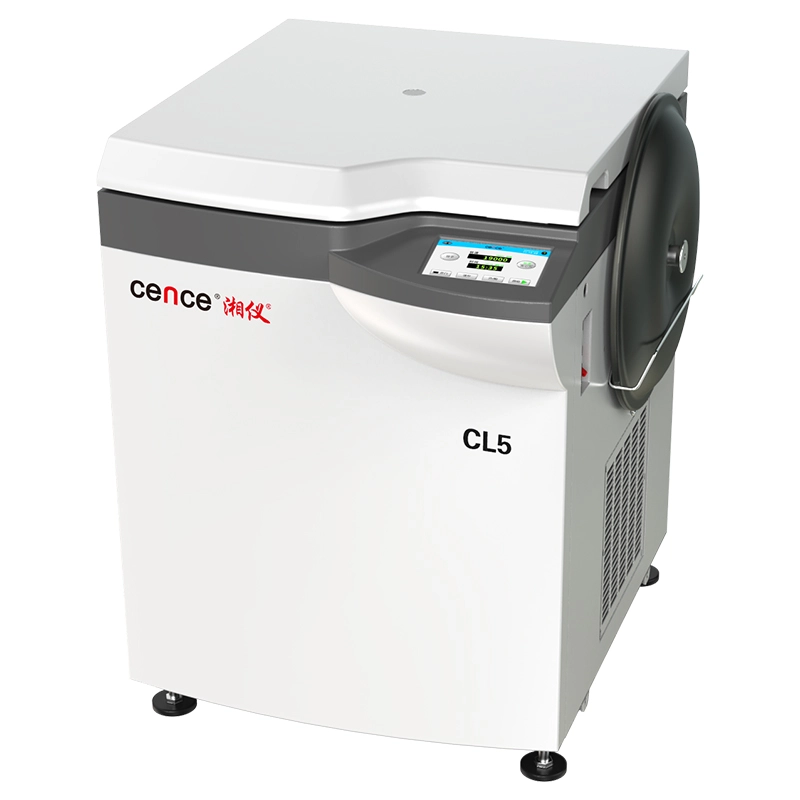
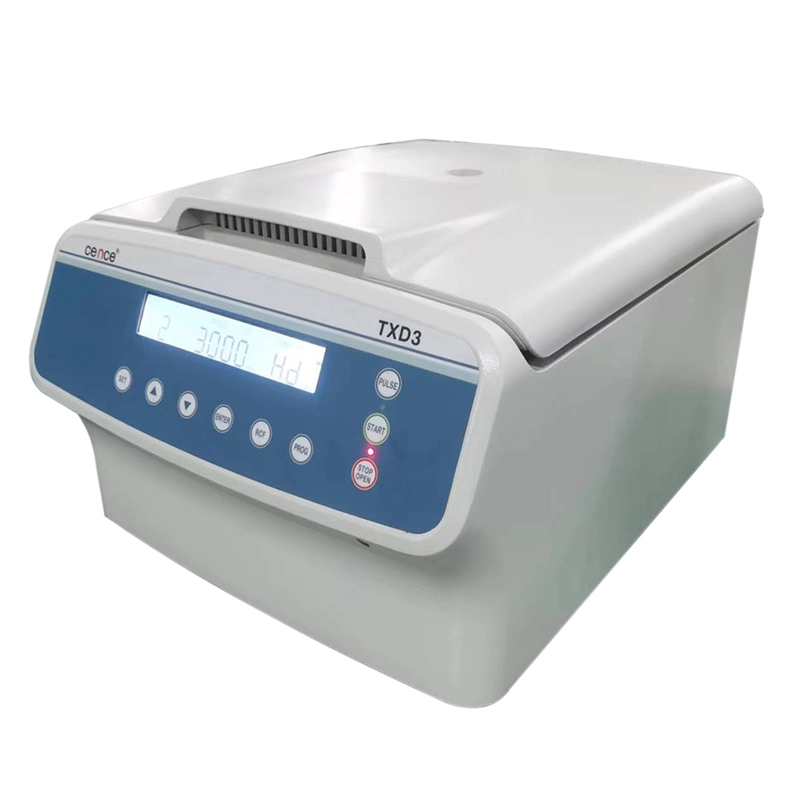
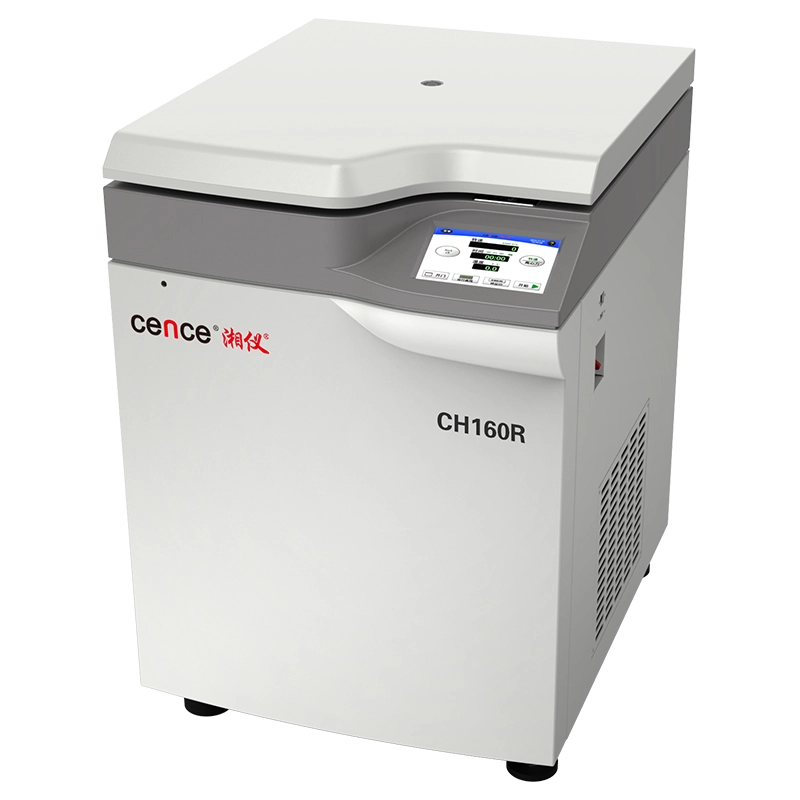
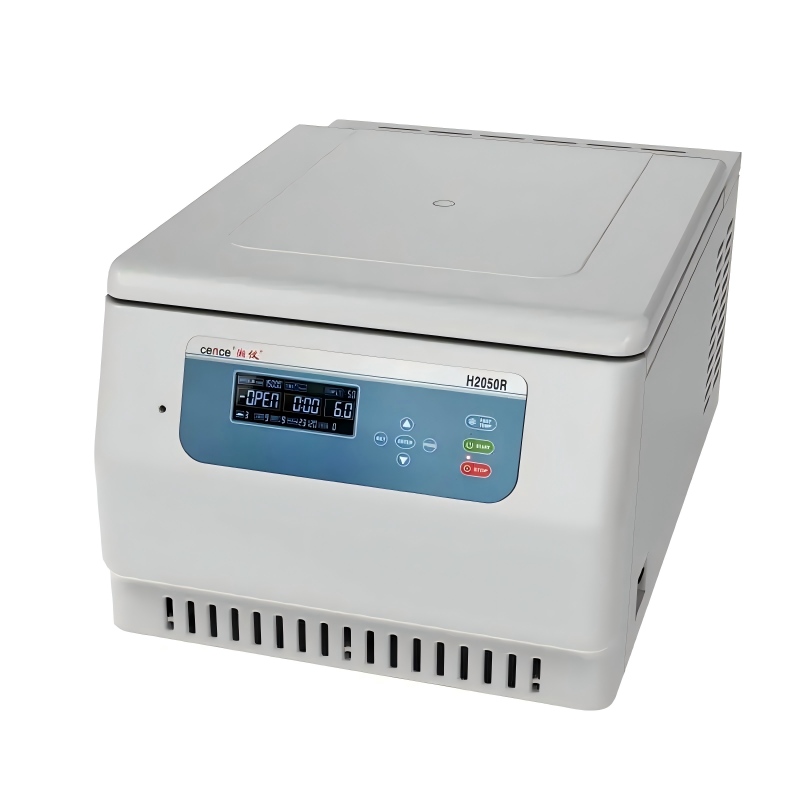
Choosing a laboratory centrifuge involves more than comparing maximum speed and capacity. The rotor determines how samples are positioned during centrifugation, while adapters allow different tube sizes to fit securely within the rotor. Selecting the wrong combination may affect sample separation, equipment compatibility, and operational safety.
For laboratories processing blood samples, cell cultures, proteins, or molecular biology specimens, understanding centrifuge rotor types is an important part of equipment selection.
A suitable benchtop centrifuge machine should support the required rotor configuration, sample container dimensions, relative centrifugal force (RCF), and daily laboratory workflow. This guide explains the main rotor designs and how to match them with laboratory sample tubes.
Why Rotor Compatibility Matters When Selecting a Laboratory Centrifuge
A centrifuge rotor holds sample tubes or containers and transfers rotational force to them during operation. Different rotor designs produce different sample orientations and separation conditions.
Rotor compatibility is important for three reasons.
Sample capacity: The rotor determines how many tubes can be processed in one run and the maximum container volume it supports.
Separation requirements: Rotor geometry affects the direction in which particles move during centrifugation. This can influence the resulting separation pattern.
Equipment safety: Every rotor has specific maximum speed, RCF, and compatible centrifuge models. Using an incompatible rotor or tube adapter may create mechanical risks.
For example, a laboratory processing 50 mL conical tubes has different requirements from one handling 1.5 mL microcentrifuge tubes.
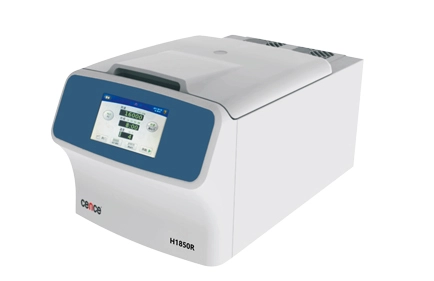
Cence offers benchtop centrifuges with different rotor and adapter combinations. Its H1850 model, for example, supports multiple rotor configurations, including angle and swing-out options, providing flexibility for different sample formats.
Fixed-Angle vs. Swing-Out Rotors: Which Design Fits Your Samples?
Two common centrifuge rotor types are fixed-angle rotors and swing-out rotors. Their different sample orientations make them suitable for different laboratory applications.
Fixed-angle rotors
In a fixed-angle rotor, sample tubes remain at a constant angle relative to the rotational axis.
During centrifugation, particles move toward the outer wall of the tube, forming a sediment along its side and bottom.
Common characteristics include:
Compact rotor construction.
Suitability for high-speed applications when supported by the equipment.
Compatibility with different tube capacities, depending on rotor design.
Applications involving cell pellets, proteins, and other laboratory samples.
Swing-out rotors
Swing-out rotors hold tubes in buckets that move outward during rotation. As the rotor accelerates, the buckets swing toward a horizontal position.
This configuration allows samples to settle toward the bottom of the tube, which can be useful when a more clearly defined separation interface is required.
Swing-out rotors are commonly considered for blood sample processing and other applications requiring horizontal sample positioning.
| Comparison | Fixed-Angle Rotor | Swing-Out Rotor |
|---|
| Sample position | Constant angle | Swings outward during operation |
| Sediment location | Along tube side and bottom | Primarily toward tube bottom |
| Common applications | Cell pelleting and molecular biology | Blood separation and selected gradient procedures |
| Selection consideration | Required RCF and tube compatibility | Bucket capacity and sample positioning |
Neither design is universally superior. The appropriate choice depends on the sample type and laboratory protocol.
How to Match Centrifuge Rotors with Tube Sizes and Sample Volumes
Even when a rotor fits the centrifuge, the sample container must also be compatible with the rotor's openings, buckets, or adapters.
Before purchasing a rotor, laboratories should confirm several dimensions.
Tube diameter and length
Sample tubes vary in diameter, length, and bottom shape. A rotor designed for round-bottom tubes may require different adapters when used with conical tubes.
Sample volume
The nominal tube volume should not exceed the capacity supported by the rotor and adapter combination.
Adapter compatibility
Adapters allow smaller containers to fit securely inside larger rotor positions. They must be approved for the relevant rotor and operating speed.
Material compatibility
Tube materials must withstand the expected centrifugal force, temperature, and chemical conditions.
The following table provides a simplified purchasing reference.
| Sample Container | Typical Laboratory Format | What to Confirm |
|---|
| Microcentrifuge tubes | 0.2–2 mL | Rotor cavity and tube dimensions |
| Small centrifuge tubes | 5–15 mL | Adapter and rotor compatibility |
| Conical tubes | 15–50 mL | Tube shape, support and rated RCF |
| Larger sample bottles | 100–250 mL or more | Rotor capacity and approved container specifications |
For example, Cence's H1650 model offers multiple rotor and adapter options, including configurations for 50 mL tubes and smaller sample containers. The H1850 also supports a range of rotor combinations for different laboratory requirements.
These examples demonstrate why buyers should evaluate the complete rotor configuration rather than selecting a centrifuge based only on its maximum capacity.

When Should Laboratories Choose a Benchtop Centrifuge or Microcentrifuge?
The sample volume and required centrifugal force are important factors when deciding between a benchtop centrifuge machine and a microcentrifuge.
A microcentrifuge is generally designed for smaller sample volumes, often using 1.5 mL or 2 mL tubes. It is commonly used in molecular biology, DNA/RNA preparation, and protein research.
A larger benchtop centrifuge can accommodate a wider range of containers, depending on the model and rotor configuration.
| Laboratory Requirement | Suitable Equipment Consideration |
|---|
| Small-volume molecular samples | Microcentrifuge |
| Multiple 15 mL or 50 mL tubes | Benchtop centrifuge with compatible rotor |
| Higher-volume sample processing | Large-capacity benchtop centrifuge |
| Temperature-sensitive samples | Refrigerated benchtop centrifuge |
| Different sample formats | Centrifuge supporting interchangeable rotors and adapters |
For laboratories with varied experimental workflows, choosing a machine with multiple compatible rotor options may provide greater flexibility.
However, buyers should also consider available bench space, cooling requirements, operating noise, and the number of samples processed per day.
What Should Buyers Check Before Ordering Rotors and Adapters?
Before purchasing a centrifuge or replacement rotor, laboratories should prepare a clear compatibility checklist.
Important details include:
Centrifuge manufacturer and model.
Rotor model and identification number.
Required maximum speed and RCF.
Sample tube dimensions and volume.
Required adapter configuration.
Temperature requirements, if applicable.
Intended laboratory application.
It is particularly important to verify that the rotor is approved for the specific centrifuge model. Similar-looking rotors are not necessarily interchangeable.
Cence provides different rotor and adapter configurations for its laboratory centrifuges. Buyers can explore the benchtop centrifuge product range and the H1850 high-speed centrifuge to review available configurations.
For laboratories requiring different sample capacities, the manufacturer can help identify suitable rotor and adapter combinations based on the equipment model and experimental requirements.
Conclusion
Understanding centrifuge rotor types is essential when selecting laboratory centrifugation equipment. Fixed-angle and swing-out rotors provide different sample orientations, while adapters allow compatible containers of different sizes to be accommodated.
When choosing a benchtop centrifuge machine, laboratories should evaluate rotor compatibility, tube dimensions, sample volume, maximum RCF, and temperature requirements together.
For research laboratories, clinical facilities, and laboratory equipment distributors, confirming these specifications before purchasing can reduce compatibility problems and improve workflow flexibility.
Cence offers benchtop centrifuges with multiple rotor and adapter configurations for different laboratory applications. Contacting the manufacturer with your sample tube specifications and centrifugation requirements can help identify a suitable equipment configuration.
FAQs
1. What are the main centrifuge rotor types?
The two common designs are fixed-angle rotors and swing-out rotors. Fixed-angle rotors hold tubes at a constant angle, while swing-out rotors allow sample buckets to move into a horizontal position during operation.
2. Which centrifuge rotor is better for blood samples?
Swing-out rotors are commonly used for selected blood separation procedures because they position sample tubes horizontally during centrifugation. However, the correct rotor depends on the specific blood collection tube, laboratory protocol, and required separation conditions.
3. Can different tube sizes use the same centrifuge rotor?
Yes, if compatible and approved adapters are available. Buyers must confirm tube dimensions, adapter specifications, and the maximum permitted operating speed for the complete configuration.
4. What is the difference between a benchtop centrifuge and a microcentrifuge?
A microcentrifuge is primarily designed for small-volume samples, while a benchtop centrifuge can support a wider range of sample volumes and rotor configurations, depending on the model.
5. Why should buyers check rotor compatibility before purchasing a centrifuge?
Rotor compatibility affects equipment safety, sample capacity, and operating performance. Each rotor must be approved for the centrifuge model and operated within its specified speed and RCF limits.
 English
 한국어
 français
 Deutsch
 Español
 italiano
 русский
 português
 العربية
 tiếng việt
 Indonesia