Selecting suitable equipment for centrifugal filtration involves more than choosing a centrifuge with sufficient speed and capacity. The rotor, sample container, filtration components, and supporting accessories must work together to meet the requirements of the separation process.
For laboratories and industrial users handling solid-liquid mixtures, the configuration of centrifuge filtration systems can influence separation consistency, sample handling, and equipment compatibility.
Whether processing chemical suspensions, biological materials, or other industrial samples, buyers should evaluate the complete equipment configuration before purchasing. Understanding the role of rotors, bottles, adapters, and other centrifuge accessories helps prevent compatibility problems and supports more efficient operation.
What Components Make Up a Centrifuge Filtration System?
A centrifugal filtration setup generally combines a centrifuge, a suitable filtration rotor or filtration assembly, compatible sample containers, and supporting accessories.
Each component performs a different function.
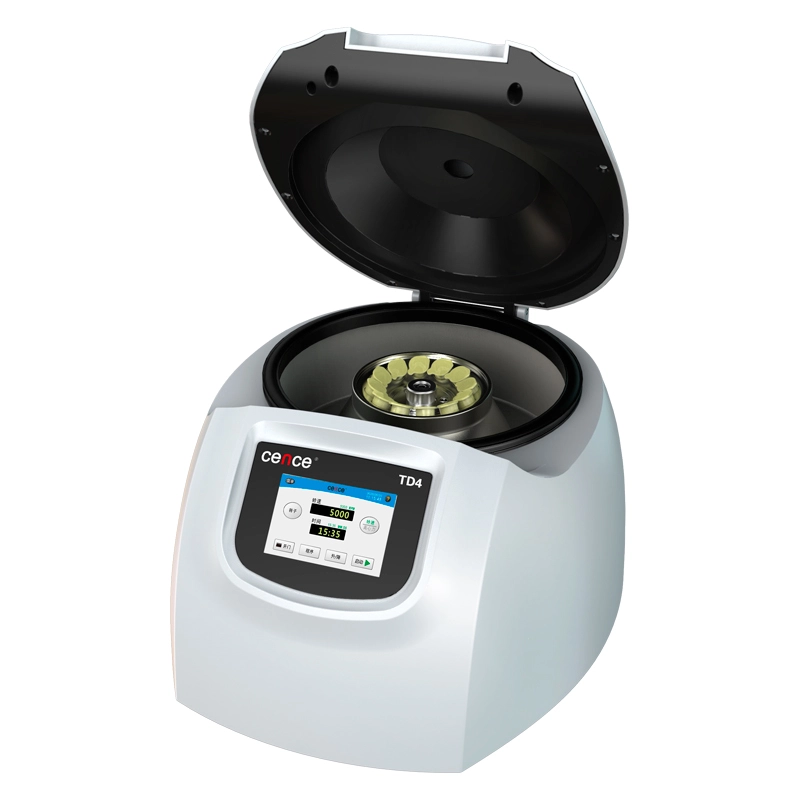
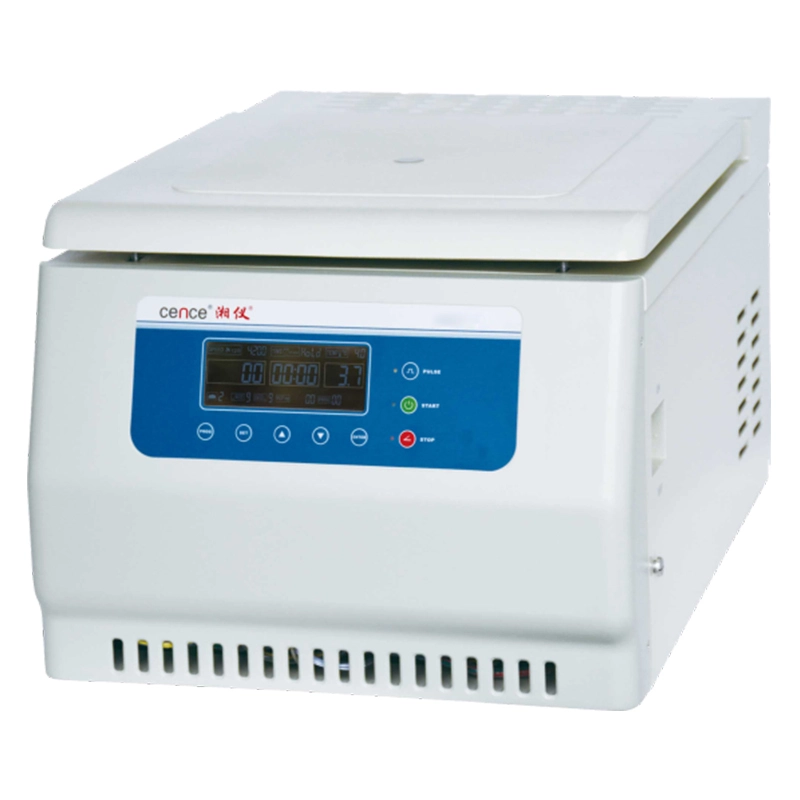
Centrifuge machine: Provides the rotational force required for the separation process. Its maximum speed, RCF, capacity, and operating conditions must match the selected rotor.
Filtration rotor or assembly: Holds the filtration components and determines how the sample is positioned during operation. Its construction and configuration depend on the specific filtration application.
Sample containers: Hold the material being processed. Their dimensions, material, and mechanical strength must be suitable for the operating conditions.
Supporting accessories: Include adapters, buckets, bottles, lids, and other compatible components that help complete the equipment configuration.
Not every conventional laboratory centrifuge is designed for filtration applications. Buyers should confirm that the selected rotor and filtration assembly are specifically approved for the intended process.
How to Select the Right Rotor for Centrifuge Filtration Systems
Rotor selection is one of the most important decisions when configuring centrifuge filtration systems.
Different rotor designs support different sample containers and separation requirements.
Fixed-angle rotors
Fixed-angle rotors hold containers at a constant angle during rotation. They are commonly used in laboratory centrifugation for applications involving sedimentation and sample concentration.
Swing-out rotors
Swing-out rotors allow sample buckets to move outward during operation. They are useful for applications requiring horizontal sample positioning and are available in different capacity configurations.
Application-specific filtration rotors
Some centrifuge configurations use specially designed rotors or assemblies for filtration-related operations. These must be evaluated according to their construction, sample capacity, and manufacturer-approved operating conditions.
When selecting a rotor, buyers should check:
Maximum rotational speed and RCF.
Compatible centrifuge model.
Sample container dimensions.
Maximum capacity per position.
Required adapters and buckets.
Temperature and chemical compatibility.
A rotor should never be selected based only on its physical appearance or nominal capacity. Its technical specifications must match the centrifuge and the intended application.

Which Centrifuge Accessories Are Essential for Equipment Compatibility?
The right centrifuge accessories help ensure that sample containers fit securely and operate within the equipment's approved specifications.
Several accessory categories deserve attention.
| Accessory | Main Function | Purchasing Consideration |
|---|
| Centrifuge tubes | Hold smaller sample volumes | Tube dimensions and material compatibility |
| Centrifuge bottles | Hold larger sample volumes | Capacity, sealing and speed rating |
| Rotor adapters | Accommodate different container sizes | Compatibility with the rotor model |
| Buckets | Hold containers in compatible rotor configurations | Approved capacity and rotor design |
| Lids and seals | Help secure containers during operation | Correct fit and chemical compatibility |
For example, a laboratory using different sample volumes may need multiple adapters to accommodate its existing centrifuge rotor.
Cence provides different laboratory centrifuge tubes and bottles, including 5 mL, 15 mL, 50 mL, 100 mL, 500 mL, and 1000 mL options, depending on the product category.
The available selection makes it important for buyers to identify their actual container requirements before ordering.
How Do Sample Characteristics Affect Filtration Equipment Selection?
The material being processed is another important factor when selecting a filtration configuration.
Different suspensions have different physical and chemical properties, which can affect filtration behavior.
Particle size
Particle size distribution influences how solids are retained and how easily liquid passes through a filtration medium. Fine particles may require different filtration considerations from larger particles.
Solid concentration
The amount of solid material in a suspension affects the processing load and the amount of material that may accumulate during filtration.
Liquid properties
Viscosity and chemical composition can influence liquid movement and material compatibility. The sample should be evaluated to ensure that containers and filtration components are suitable.
Chemical compatibility
Contact materials should be compatible with the sample and cleaning procedures. This is particularly important when processing corrosive or chemically reactive materials.
For industrial applications, buyers should provide sample information and processing objectives when discussing equipment selection with the manufacturer.
A filtration setup intended for one suspension should not automatically be assumed suitable for another material with significantly different characteristics.
What Should Buyers Check Before Ordering Centrifuge Filtration Systems?
For industrial buyers, laboratories, and equipment distributors, purchasing the complete configuration requires a systematic compatibility check.
The following checklist can help simplify the evaluation process.
| Purchasing Item | Information to Confirm |
|---|
| Centrifuge model | Equipment model and operating specifications |
| Rotor | Type, capacity, maximum speed and RCF |
| Filtration assembly | Construction and application compatibility |
| Sample container | Dimensions, capacity and material |
| Accessories | Adapters, buckets, lids and seals |
| Sample properties | Particle size, concentration and chemical characteristics |
| Operating conditions | Required temperature and processing requirements |
| Maintenance | Cleaning, inspection and replacement requirements |
Buyers should also request the relevant technical datasheets and operating instructions.
Cence offers a range of laboratory centrifuge accessories, including tubes, bottles, and other components for different centrifuge configurations.
Its centrifuge accessories product range provides an overview of available containers and supporting products.
For larger-capacity applications, buyers can also review the CH210R high-speed refrigerated centrifuge, which offers different rotor configurations, including angle and swing-out options.
For applications requiring filtration-specific configurations, the manufacturer should confirm the suitable rotor and assembly combination before an order is placed.
Conclusion
Configuring suitable centrifuge filtration systems requires evaluating the centrifuge, rotor, filtration assembly, sample containers, and supporting accessories as one integrated setup.
Rotor compatibility, sample properties, container dimensions, and operating specifications all influence equipment selection. Choosing centrifuge accessories based only on size or appearance may result in compatibility and operational problems.
For laboratory managers, industrial buyers, and equipment distributors, preparing a detailed specification before purchasing can help reduce selection risks and improve equipment utilization.
Cence provides centrifuge machines, rotors, tubes, bottles, and other supporting accessories for different laboratory applications. Buyers can contact its technical team with their sample characteristics, required capacity, and equipment model to discuss a suitable configuration.
FAQs
1. What are centrifuge filtration systems used for?
Centrifuge filtration systems are used in applications where centrifugal force supports the separation of solid and liquid components through a suitable filtration configuration. The actual process depends on the equipment and filtration assembly.
2. What is the difference between a filtration rotor and a conventional centrifuge rotor?
A conventional centrifuge rotor primarily holds sample containers for centrifugation. A filtration-specific rotor or assembly incorporates a configuration intended to support filtration operations. Buyers should verify the intended application and specifications of each design.
3. Which centrifuge accessories are commonly required?
Common centrifuge accessories include tubes, bottles, adapters, buckets, lids, and seals. The required components depend on the centrifuge model, rotor configuration, and sample container dimensions.
4. Can different centrifuge bottles be used with the same rotor?
Not necessarily. Different bottles may have different dimensions, materials, and operating limits. Buyers must confirm compatibility with the specific rotor and centrifuge model before use.
5. What information should buyers provide when purchasing centrifuge filtration equipment?
Buyers should provide the sample type, particle characteristics, liquid properties, required processing capacity, centrifuge model, and intended filtration application. This information helps the manufacturer evaluate suitable equipment and accessory configurations.
 English
 한국어
 français
 Deutsch
 Español
 italiano
 русский
 português
 العربية
 tiếng việt
 Indonesia