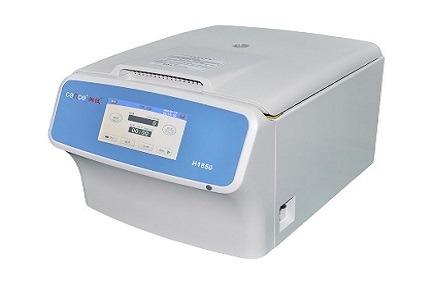
Clinical laboratories process different types of blood samples every day for diagnostic testing, medical research, and other laboratory procedures. Reliable sample preparation is essential because the quality of the separated components can influence subsequent testing and analysis.
A blood tube centrifuge is designed to process blood collection tubes under controlled centrifugal conditions, allowing components such as serum, plasma, and blood cells to be separated according to the laboratory protocol.
However, choosing the right equipment involves more than comparing maximum speed and tube capacity. Sample types, collection tube dimensions, rotor design, temperature requirements, and daily workload should all be considered. Understanding these factors helps laboratories select a suitable blood separation centrifuge for their routine operations.
What Types of Blood Samples Require Centrifugation in Clinical Laboratories?
Different blood collection tubes are used for different laboratory tests. Their additives and intended applications influence how samples should be processed.
Serum samples
Serum is obtained after blood has clotted and the liquid portion has been separated from the blood cells and clot. Serum collection tubes may contain clot activators or separation gels, depending on the product.
Centrifugation helps separate the serum from the cellular components after the required clotting period.
Plasma samples
Plasma is obtained from anticoagulated blood. Collection tubes may contain additives such as EDTA, heparin, or citrate, depending on the laboratory test.
Centrifugation separates plasma from the cellular components while preserving the sample according to the relevant testing protocol.
Other blood-derived samples
Some research and clinical workflows require the separation of specific cellular fractions or other blood components. These applications may require different centrifugation conditions and equipment configurations.
For laboratories, it is important to identify the sample type and collection tube before selecting a centrifuge. Different blood tubes should not automatically be processed using identical protocols.

How Do Blood Collection Tubes and Sample Volumes Affect Centrifuge Selection?
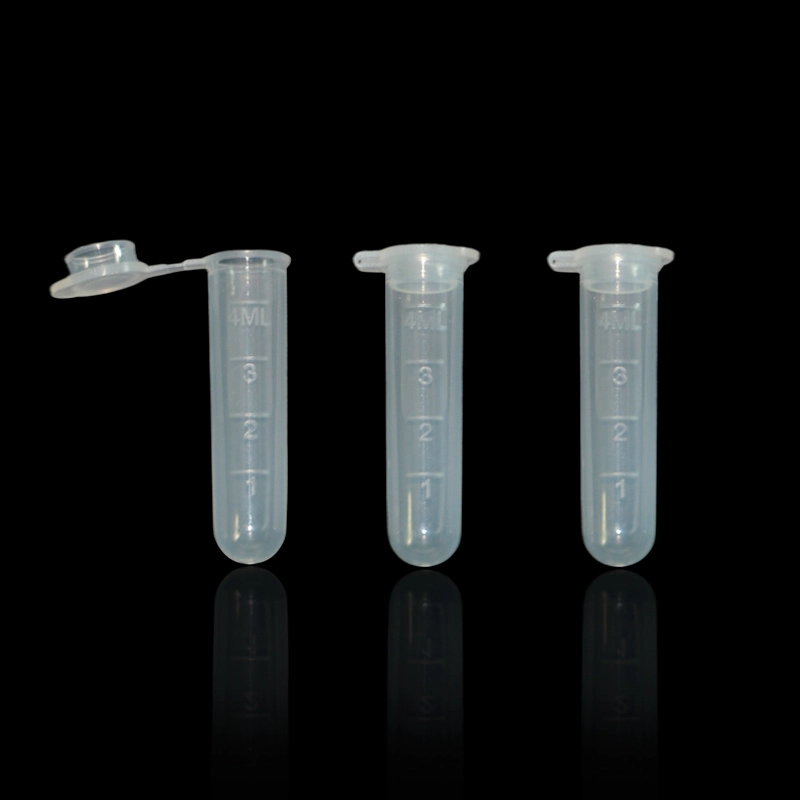
Blood collection tubes are available in different sizes, materials, and configurations. A suitable centrifuge must accommodate the actual tubes used by the laboratory.
Several specifications should be checked.
Tube dimensions
Tube diameter and length determine whether a container fits the rotor or requires a compatible adapter.
Sample volume
Laboratories processing small collection tubes may have different capacity requirements from facilities handling larger sample containers.
Tube material
The tube material must be suitable for the expected centrifugal force and operating temperature.
Tube additives
Different additives are designed for specific testing applications. Laboratories should follow the collection tube manufacturer's instructions regarding clotting time, centrifugation conditions, and sample handling.
| Sample Tube Type | Common Application | Selection Consideration |
|---|
| Serum tube | Serum preparation | Clotting requirements and compatible rotor |
| EDTA tube | Hematology and selected plasma applications | Anticoagulant and laboratory protocol |
| Heparin tube | Plasma preparation for selected tests | Tube compatibility and processing instructions |
| Citrate tube | Coagulation testing | Correct sample handling and validated protocol |
| Gel separation tube | Serum or plasma separation, depending on tube design | Gel and centrifugation compatibility |
A laboratory should confirm the number of tubes processed per batch and the dimensions of its most frequently used collection tubes before purchasing a blood tube centrifuge.
Fixed-Angle vs. Swing-Out Rotors for Clinical Blood Sample Processing
Rotor design influences the position of sample tubes during centrifugation and can affect the resulting separation pattern.
Two common rotor configurations are fixed-angle and swing-out designs.
Fixed-angle rotors
Fixed-angle rotors hold sample tubes at a constant angle throughout operation. During centrifugation, particles move toward the outer side of the tube and form sediment along its wall and bottom.
These rotors are commonly used for applications involving cell pelleting and other laboratory separation procedures.
Swing-out rotors
Swing-out rotors use buckets that move outward as the rotor accelerates. The sample tubes become approximately horizontal during operation, allowing separated components to settle toward the bottom of the tube.
This configuration is often considered for clinical blood sample processing when a clearly defined separation interface is required.
| Comparison | Fixed-Angle Rotor | Swing-Out Rotor |
|---|
| Tube position | Constant angle | Moves toward horizontal |
| Sediment formation | Along tube side and bottom | Primarily toward tube bottom |
| Common applications | Cell pelleting and selected sample preparation | Blood component separation and selected gradient procedures |
| Selection factors | Required RCF and tube compatibility | Bucket capacity and sample positioning |
The best rotor depends on the sample type and validated laboratory procedure. Buyers should also confirm the maximum speed and RCF supported by the specific rotor rather than relying only on the centrifuge's maximum rated speed.
How to Match Centrifuge Capacity with Daily Laboratory Throughput
Laboratory workload is an important factor when selecting a blood separation centrifuge.
A machine with insufficient capacity may require too many processing cycles, while an unnecessarily large configuration may occupy valuable laboratory space.
Before purchasing, laboratories should evaluate:
Average number of blood samples processed per day.
Number of tubes required per batch.
Tube sizes and adapter requirements.
Expected peak sample volume.
Required processing time.
Available bench or floor space.
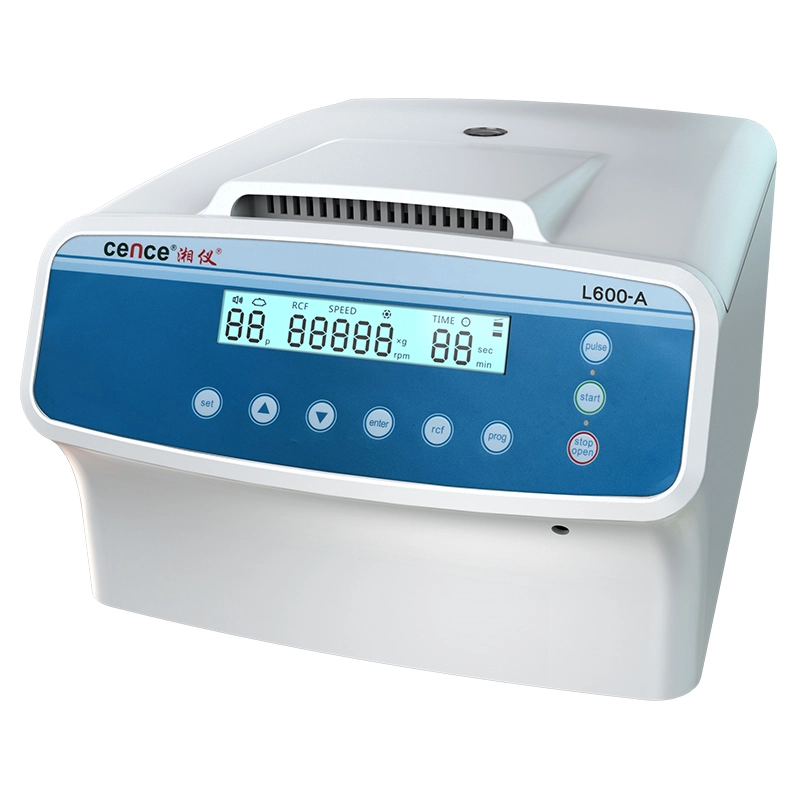
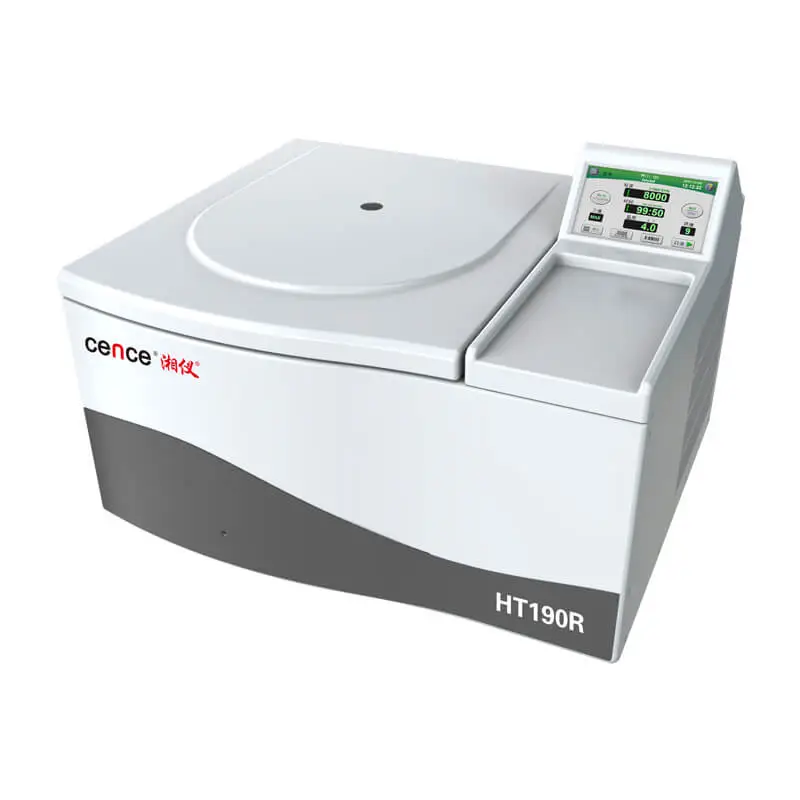
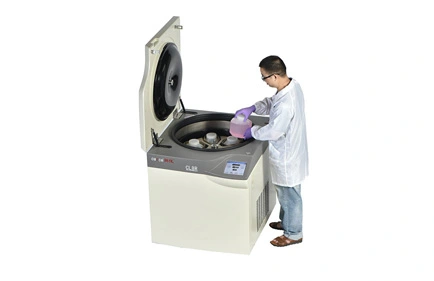
For example, a small diagnostic laboratory processing a limited number of samples may benefit from a compact benchtop centrifuge. A larger clinical laboratory may require a higher-capacity model capable of processing more tubes in each cycle.
Refrigerated models may also be appropriate for applications where temperature control is required by the sample protocol.
Cence offers different blood centrifuge configurations for laboratory applications. Buyers can explore the blood centrifuge product range to compare available equipment and rotor configurations.
What Safety and Compatibility Features Should Buyers Check?
Blood sample processing requires appropriate equipment compatibility and laboratory safety procedures.
Before purchasing a centrifuge, buyers should evaluate several important features.
Rotor identification and compatibility
Confirm that the rotor is approved for the selected centrifuge model and that all adapters and buckets match the required sample tubes.
Imbalance protection
Unevenly distributed samples can create excessive vibration. Automatic imbalance detection can help identify abnormal operating conditions.
Lid locking
A reliable lid-locking mechanism helps prevent access to the rotating rotor during operation.
Speed and RCF control
The equipment should provide the speed and centrifugal force required by the laboratory's validated procedures.
Temperature management
For temperature-sensitive applications, buyers should consider refrigerated centrifuge models and their specified temperature ranges.
Cleaning and maintenance
Blood sample handling requires appropriate cleaning procedures. The rotor, buckets, and sample containers should be compatible with the laboratory's cleaning and disinfection practices.
Cence provides different laboratory blood centrifuge models, including equipment for routine blood sample processing and other specialized applications. Buyers should confirm the specific features and technical specifications of each model before ordering.
Conclusion
Choosing a suitable blood tube centrifuge requires evaluating sample types, collection tube dimensions, rotor configurations, processing capacity, and laboratory safety requirements.
Fixed-angle and swing-out rotors offer different sample positioning characteristics, while tube compatibility and daily workload help determine the appropriate equipment configuration.
For clinical laboratories, hospitals, and medical equipment distributors, defining sample requirements before purchasing can reduce compatibility problems and support more consistent laboratory workflows.
Cence offers blood centrifuge solutions for different laboratory applications. By providing sample tube dimensions, required capacity, and processing requirements, buyers can work with the manufacturer to identify a suitable blood separation centrifuge configuration.
FAQs
1. What is a blood tube centrifuge used for?
A blood tube centrifuge is used to separate blood components in collection tubes according to laboratory procedures. Common applications include serum and plasma preparation for clinical testing.
2. What is the difference between a blood tube centrifuge and a blood bag centrifuge?
A blood tube centrifuge processes individual blood collection tubes, commonly used in clinical laboratories. A blood bag centrifuge is designed to accommodate blood collection bags and is used in blood processing applications.
3. Which rotor is better for blood sample separation?
Swing-out rotors are commonly used for selected clinical blood separation procedures because they position sample tubes horizontally during operation. However, the appropriate rotor depends on the sample tube, centrifugation protocol, and required separation outcome.
4. Should clinical laboratories choose a refrigerated blood separation centrifuge?
A refrigerated model may be appropriate when sample protocols require controlled temperature conditions. The decision should be based on sample stability, laboratory procedures, and the equipment's temperature specifications.
5. What should buyers consider when purchasing a blood tube centrifuge?
Buyers should evaluate tube dimensions, rotor capacity, maximum RCF, operating temperature, imbalance protection, lid locking, and compatibility with the laboratory's sample collection systems.
 English
 한국어
 français
 Deutsch
 Español
 italiano
 русский
 português
 العربية
 tiếng việt
 Indonesia