Small-volume sample preparation can be deceptively demanding. When only a few microliters of material are available, routine steps such as collecting liquid from the bottom of a tube, separating a small precipitate, or preparing a sample for the next stage of analysis leave little room for inconsistent handling. Even when the protocol itself is straightforward, differences in centrifugation conditions can affect how easily a sample is recovered and how reliably the same process can be repeated.
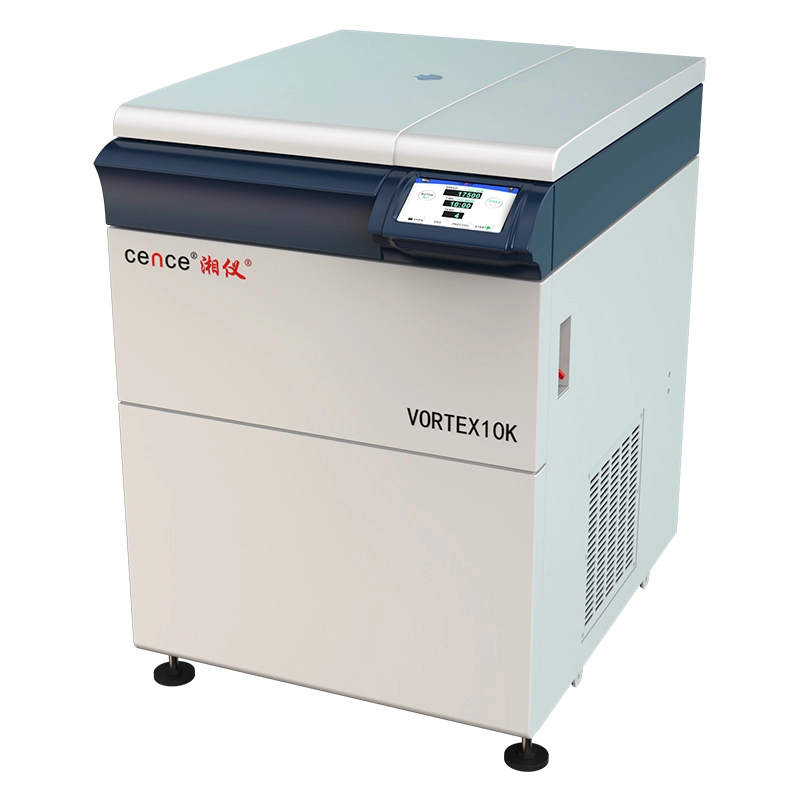
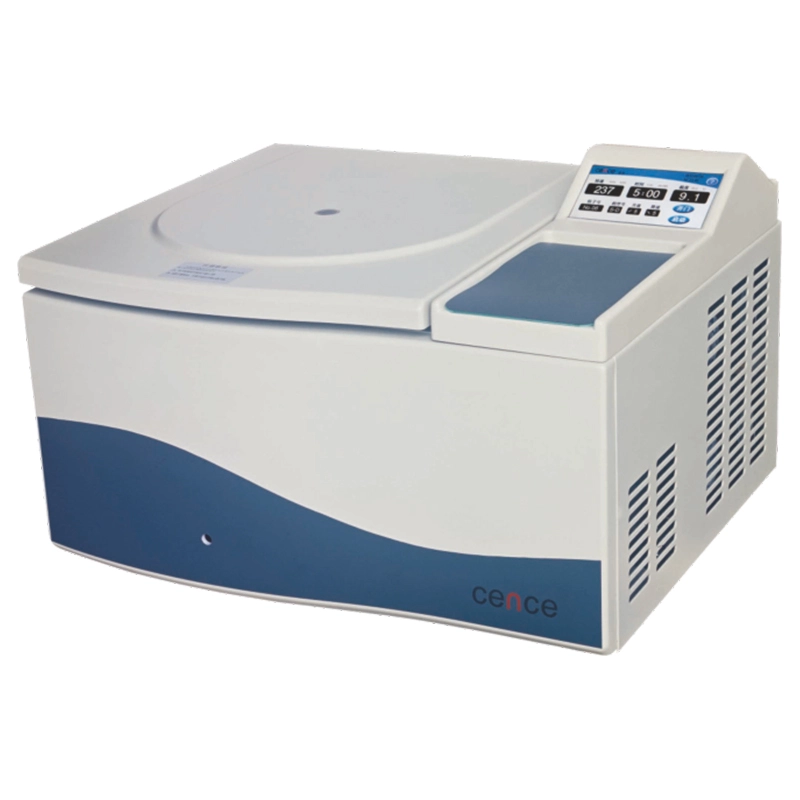
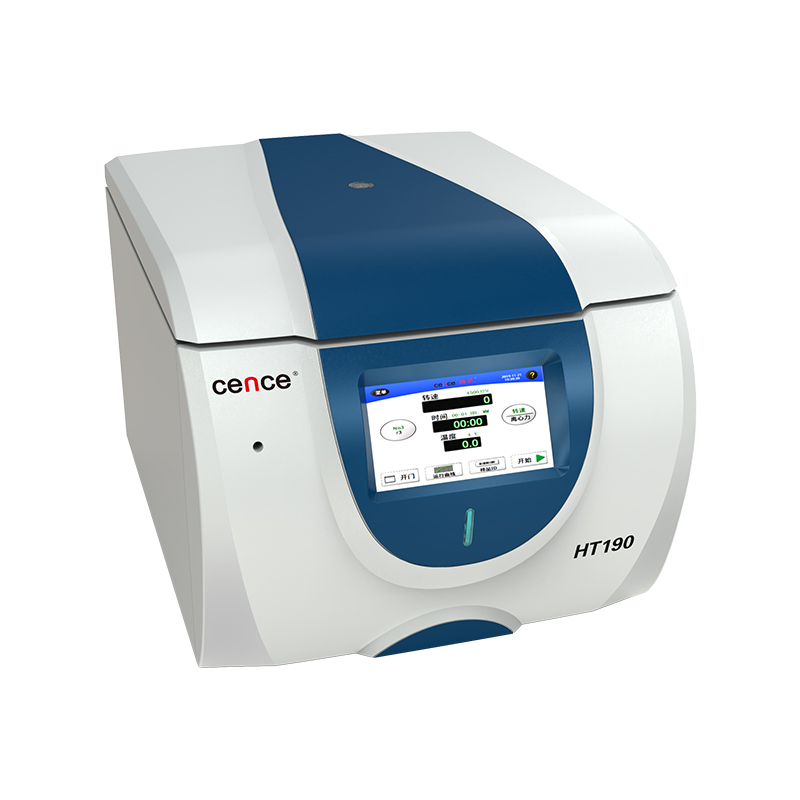
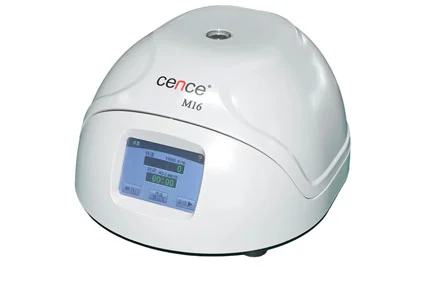
This is where a benchtop microfuge becomes useful. Designed for small-volume centrifugation, it provides a compact solution that can remain close to the preparation area rather than requiring every sample to be transferred to a larger general-purpose centrifuge. For laboratories working with microcentrifuge tubes on a regular basis, that proximity can make routine preparation considerably more convenient.
At the same time, choosing a microfuge is not simply a matter of looking for the highest available microcentrifuge speed. Centrifugal force, rotor geometry, tube compatibility, acceleration and braking, and day-to-day operation all contribute to how well the instrument fits a laboratory's actual workflow. A useful microfuge is one that delivers the required separation conditions while making those conditions easy to reproduce.
Where Small-Volume Sample Preparation Gets More Challenging
Working with small volumes changes the way centrifugation problems appear. With a larger sample, a minor loss during transfer may have little practical impact. With a micro-scale sample, the same loss can be much more noticeable. Pellets can also be small and difficult to see, while droplets may remain on tube walls or caps if samples are not spun down effectively.
These situations can make centrifugation more than just a timed spinning step. The applied centrifugal force needs to be appropriate for the sample and the intended separation. This is why the maximum microcentrifuge speed should not be considered in isolation.
RPM tells the user how quickly the rotor is turning, but it does not directly describe the force experienced by the sample. Rotor radius affects the resulting relative centrifugal force (RCF), meaning two instruments operating at the same RPM can produce different centrifugal conditions. For laboratory protocols that specify RCF, this distinction becomes particularly important when selecting equipment or transferring a method between centrifuges.
Sample handling introduces another variable. Tube type, adapter fit, rotor capacity, and loading balance all influence the practical performance of a centrifugation step. A high-speed instrument that does not suit the laboratory's commonly used tubes may ultimately be less useful than a system with a more appropriate configuration.
What a Benchtop Microfuge Brings to the Workflow
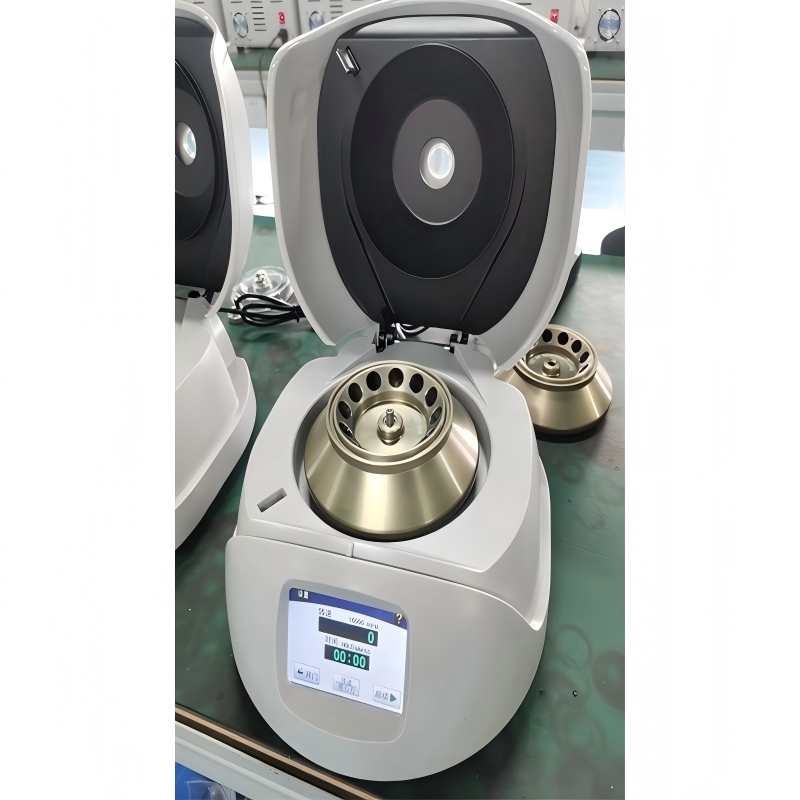
The main advantage of a benchtop microfuge is its close fit with routine small-volume work. Instead of treating centrifugation as a separate operation that requires moving samples between work areas, researchers can keep the instrument directly on the bench where samples are being prepared.
This is particularly useful when centrifugation is only one of several short steps in a larger workflow. A sample may need to be mixed, briefly centrifuged, transferred, measured, and processed again. Having a dedicated microfuge nearby reduces unnecessary movement and makes these short cycles easier to manage.
Compact size can also matter in laboratories where bench space is shared among pipettes, thermal equipment, analytical instruments, and other preparation tools. A properly selected benchtop microfuge can provide dedicated centrifugation capacity without taking up the space normally associated with a larger laboratory centrifuge.
The value of this equipment becomes clearer when viewed as part of the entire laboratory setup rather than as an isolated machine. Laboratories evaluating centrifugation equipment alongside other preparation instruments can review the broader Cence laboratory products to see how different equipment options may fit into their existing workflow.
Speed Is Only Part of the Equation: RCF, Rotor Design, and Sample Handling
High rotational speed is an attractive specification because it is easy to compare. However, maximum microcentrifuge speed does not by itself determine whether a centrifuge is appropriate for a particular application.
RCF provides a more useful way to think about the force applied to a sample. Because RCF is influenced by both rotor speed and rotor radius, the same RPM can correspond to different centrifugal forces on different instruments. When a laboratory protocol specifies a target RCF, that value should be used when establishing the corresponding operating condition.
Rotor design deserves similar attention. The way tubes are positioned affects how material moves during centrifugation and where a pellet or separated fraction collects. Fixed-angle rotors and other configurations can therefore produce different practical results even when the nominal speed is similar.
Tube compatibility is another detail that is easy to overlook during equipment selection. The centrifuge should accommodate the tube formats used routinely in the laboratory, either directly or through appropriate adapters. Capacity matters as well. A laboratory processing only a few samples at a time may have different priorities from one that repeatedly handles full rotor loads.
| Selection Factor | Why It Matters | Practical Question |
|---|
| Microcentrifuge speed | Determines the available rotational operating range | Does the speed range support the laboratory's protocols? |
| RCF | Describes the centrifugal force applied to the sample | Can the required RCF be achieved reliably? |
| Rotor design | Affects tube positioning and separation behavior | Is the rotor suitable for the sample and tube format? |
| Tube compatibility | Determines whether routine samples can be processed correctly | Are the commonly used tubes and adapters supported? |
| Capacity | Influences how many samples can be processed in one cycle | Does the capacity match the typical daily workload? |
| Acceleration and braking | Affect cycle behavior and workflow control | Do the available settings suit the laboratory's protocols? |
For this reason, comparing microfuges solely by their maximum RPM can lead to an incomplete assessment. The more useful question is whether the complete combination of speed, RCF, rotor configuration, and sample compatibility supports the work being performed every day.
Keeping Results Consistent from One Run to the Next
Reproducibility becomes increasingly important when a centrifugation step is repeated across many samples. A difference that seems insignificant during one run can become a source of variation when the same procedure is performed repeatedly.
A benchtop microfuge can help by providing a defined operating environment for these routine steps. Once an appropriate speed or RCF has been established, users can repeat the same conditions rather than relying on improvised settings or different centrifuges around the laboratory.
Loading technique still matters. Tubes should be arranged according to the rotor manufacturer's instructions, with appropriate balancing whenever required. Using the correct tube and adapter combination is equally important. These practices are not specific to one brand or model, but they have a direct effect on the consistency of centrifugation results.
Maintenance also plays a role in long-term repeatability. The rotor and chamber should be kept clean, tubes and adapters should be inspected regularly, and the manufacturer's operating and maintenance instructions should be followed. A centrifuge can only deliver repeatable results when the equipment and the operating procedure are both kept under control.
This is also why the most suitable microcentrifuge speed is not necessarily the highest one. If a protocol requires a particular RCF, using an unnecessarily aggressive setting may provide no practical benefit. Matching the centrifugation condition to the sample is generally more useful than pursuing maximum speed for its own sake.
Matching the Microfuge to Your Samples and Daily Workload
The right benchtop microfuge depends heavily on what the laboratory actually does. A molecular biology laboratory processing small reaction tubes may have different requirements from a research laboratory working with protein precipitates or other sample types.
Tube format is a good place to start. Laboratories should identify the tubes used most frequently and check whether the proposed rotor supports them directly or requires adapters. If several tube formats are used, flexibility can be more valuable than a highly specialized rotor designed around a single format.
The workload should also influence the decision. For occasional centrifugation, straightforward controls and a small footprint may be more important than advanced operating options. In a laboratory where the microfuge is used throughout the day, cycle efficiency, rotor capacity, ease of cleaning, and comfortable operation become much more relevant.
Bench layout should not be ignored either. A microfuge positioned near pipetting and sample preparation areas can reduce unnecessary sample movement, but only if its footprint and operating characteristics fit the available space. Noise, access to the lid, and ease of loading can become noticeable factors when the instrument is used repeatedly throughout the day.
There is also value in leaving some room for changing applications. Research protocols evolve, and the tube formats or centrifugation conditions used six months from now may not be identical to those used today. A system that accommodates the laboratory's likely future needs can therefore be a more practical investment than one selected around a single current application.
Details That Make a Difference in Everyday Microfuge Use
Once a benchtop microfuge is installed on the laboratory bench, usability becomes much more important than it may appear during an initial specification comparison. The instrument will be opened, loaded, started, stopped, cleaned, and inspected repeatedly. Small design decisions can influence how smoothly those actions fit into the working day.
The control interface is one example. Frequently used parameters should be easy to identify and adjust, particularly when the instrument is being used for repetitive sample preparation. Clear operating information can also reduce the chance of accidentally applying an incorrect setting.
Rotor access matters in the same way. A rotor that is straightforward to remove and clean makes routine maintenance less disruptive. Appropriate adapters can also make it easier to switch between supported tube formats without introducing unnecessary complexity into the workflow.
Safety should remain part of the selection process. Features such as lid locking and imbalance detection are important considerations for centrifuge operation, although the exact functions available vary between models. Laboratory personnel should always review the manufacturer's specifications and operating instructions for the specific instrument being considered.
For laboratories that are unsure which configuration best matches their samples, workload, and existing equipment, a direct technical discussion can often be more useful than comparing specifications alone. The Cence contact page provides a route for discussing equipment requirements and application-specific questions before making a purchasing decision.
Conclusion
A benchtop microfuge can make small-volume sample preparation easier to integrate into everyday laboratory work, particularly when centrifugation is performed frequently and close to the sample preparation area. Its compact format, dedicated microtube handling, and accessible operation can reduce unnecessary workflow steps while providing controlled centrifugation conditions.
However, maximum microcentrifuge speed should not be the deciding factor on its own. RCF, rotor design, tube compatibility, capacity, acceleration and braking behavior, maintenance, and practical usability all contribute to the instrument's suitability. A centrifuge that matches these factors to the laboratory's actual protocols is more likely to provide useful and repeatable performance.
For small-volume applications, the best equipment choice is therefore less about finding the fastest microfuge and more about finding the right balance between centrifugal performance, sample handling, workflow efficiency, and long-term consistency. That approach gives laboratories a stronger foundation for reliable sample preparation and makes the benchtop microfuge a practical part of the wider laboratory workflow.
FAQ
1. What is a benchtop microfuge?
A benchtop microfuge is a compact centrifuge designed primarily for small-volume samples and microcentrifuge tubes. It is commonly used for routine sample preparation and separation steps in laboratory workflows.
2. Does a higher microcentrifuge speed always provide better results?
No. The appropriate microcentrifuge speed depends on the required RCF, rotor characteristics, sample type, and laboratory protocol. Higher speed is not automatically better.
3. Why is RCF important when selecting a microfuge?
RCF describes the centrifugal force applied to the sample. Because rotor radius affects RCF, it provides more useful information than RPM alone when comparing centrifugation conditions.
4. How does rotor design affect microfuge performance?
Rotor design determines how tubes are positioned during centrifugation and can influence separation behavior, tube compatibility, and capacity. The rotor should match the intended application.
5. How can a benchtop microfuge improve consistency?
It provides a dedicated and repeatable centrifugation environment for small-volume workflows. Consistent settings, proper tube balancing, suitable adapters, and routine maintenance all contribute to reproducible operation.
6. What should laboratories consider before purchasing a benchtop microfuge?
Consider the required RCF and microcentrifuge speed, tube formats, rotor design, capacity, workload, footprint, controls, safety functions, and maintenance requirements. The instrument should be selected around the complete workflow rather than one specification.
 English
 한국어
 français
 Deutsch
 Español
 italiano
 русский
 português
 العربية
 tiếng việt
 Indonesia